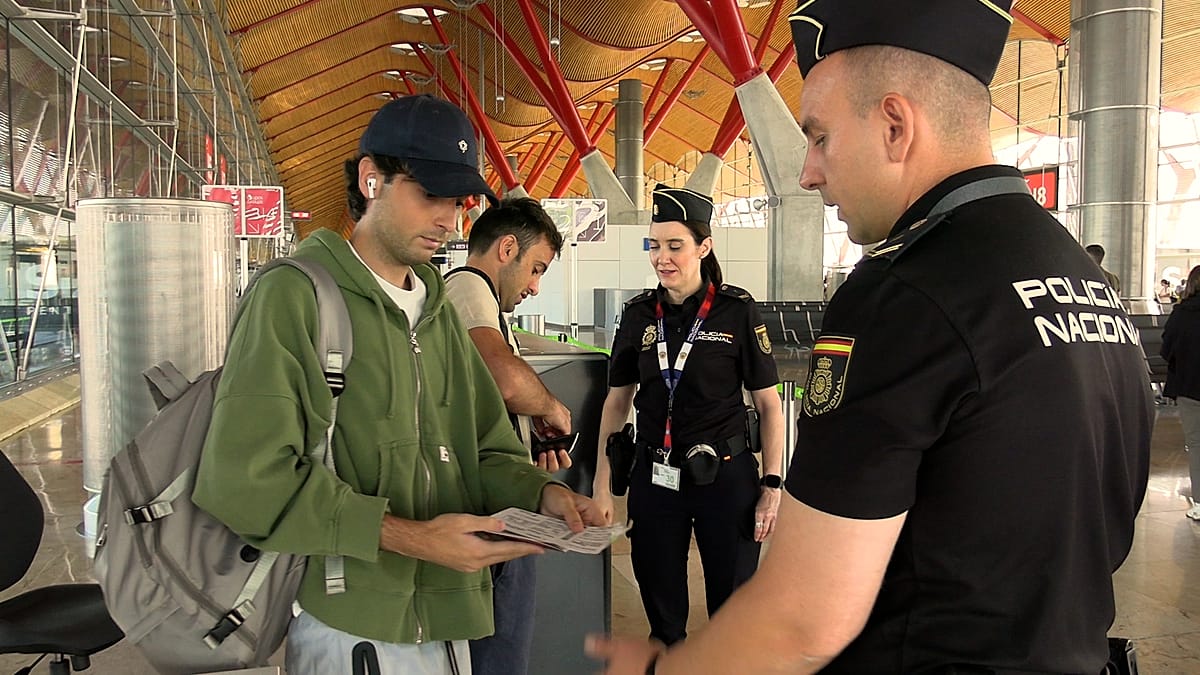
Spain's Interior Ministry has announced a 15-day extension of identity and nationality checks on travellers arriving from Italy by air or sea, pushing the measure's expiry from 7 September to 22 September. The decision, formalised through Order INT/846/2026, mirrors Rome's ongoing suspension of free movement for Spanish arrivals, a stand-off that has defined Madrid–Rome relations since early August.
Reciprocal restrictions since August
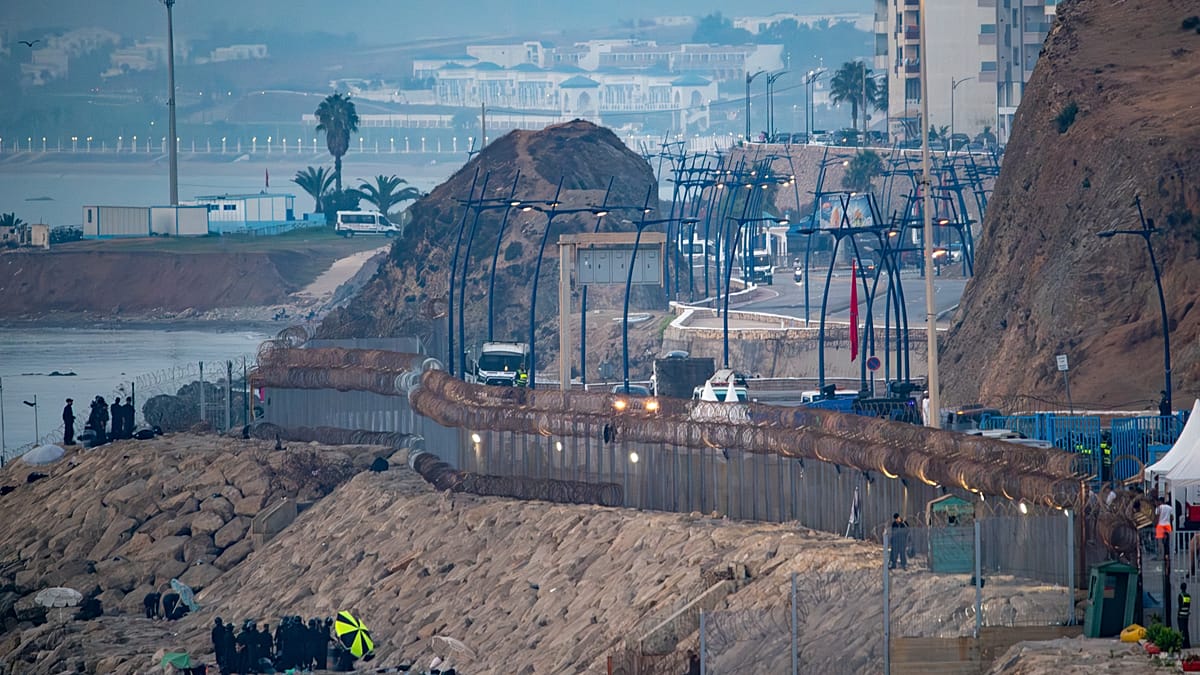
Spain first introduced these checks on 8 August, responding directly to Italy's earlier decision to suspend Schengen provisions for travellers from Spanish territory. Italy, under Prime Minister Giorgia Meloni, had cited national security concerns linked to the mass arrival of migrants in Ceuta, the Spanish enclave on Morocco's coast. Rome has repeatedly argued that the migration situation remains unresolved, justifying each renewal.
Italy's interior minister, Matteo Piantedosi, communicated the latest extension—until 15 September—to his Spanish counterpart, Fernando Grande-Marlaska, in a telephone call. Spain's new order extends its own checks to 22 September, effectively maintaining the parallel restrictions.
The diplomatic tussle began in late July, when the Meloni government announced the suspension of Schengen arrangements with Spain. Madrid initially demanded the restrictions be lifted, but when that failed, it adopted an equivalent measure targeting Italian travellers. Since then, both countries have renewed their checks in 15-day increments, with no resolution in sight.
What this means for travellers
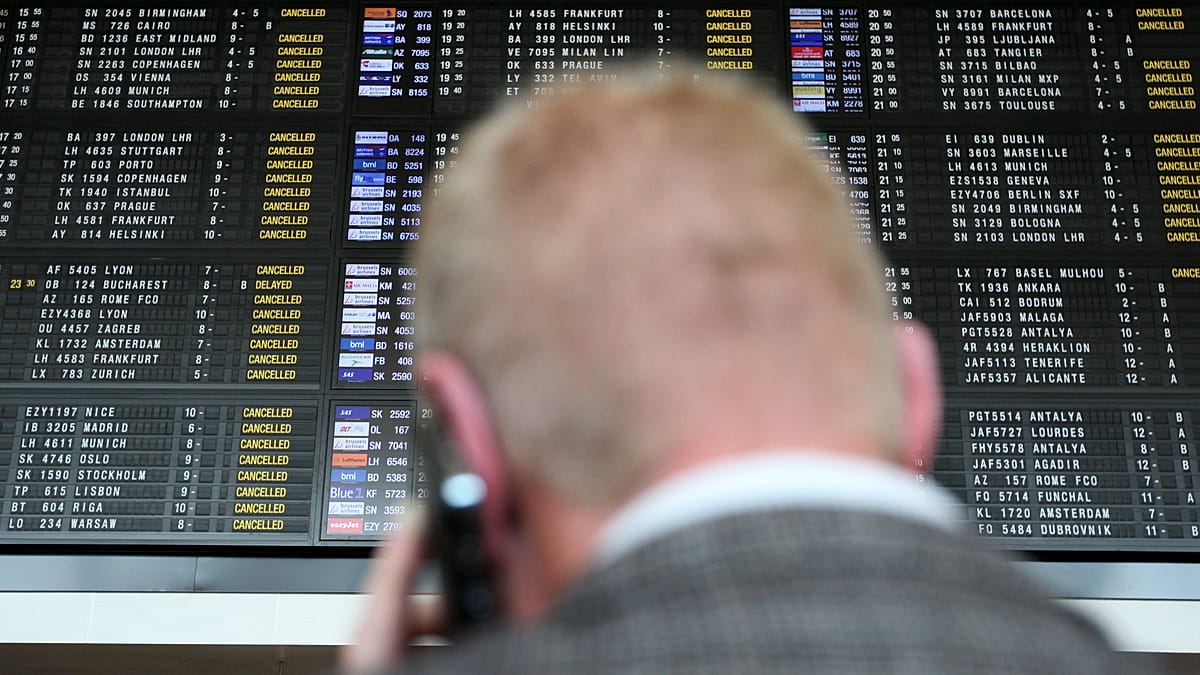
The extension does not amount to a border closure. Travellers between Spain and Italy retain their right to move freely; the checks are random identity and nationality verifications at ports and airports. For third-country nationals, residence permits are also inspected. The measures are a visible reminder of the fragility of the Schengen area when member states act unilaterally.
The dispute has broader implications for European border policy. As the EU tightens border checks with the end of flexibility on the Entry/Exit System, the Spain–Italy spat highlights how migration pressures can strain internal solidarity. The Ceuta crisis has also become a political liability for Spain's government, with a leak deepening the crisis for Prime Minister Pedro Sánchez and raising questions about security protocols.
For now, the reciprocal checks remain a bilateral issue, but they could set a precedent for other member states facing migration pressures. The European Commission has so far stayed on the sidelines, though the situation is being watched closely in Brussels. As the security era evolves across Europe, the Spain–Italy stand-off serves as a test case for how the bloc balances national security with the principle of free movement.
Both governments have shown little appetite for compromise, and with each 15-day renewal, the dispute becomes more entrenched. Travellers between the two countries should expect continued checks at least until late September, and possibly beyond.