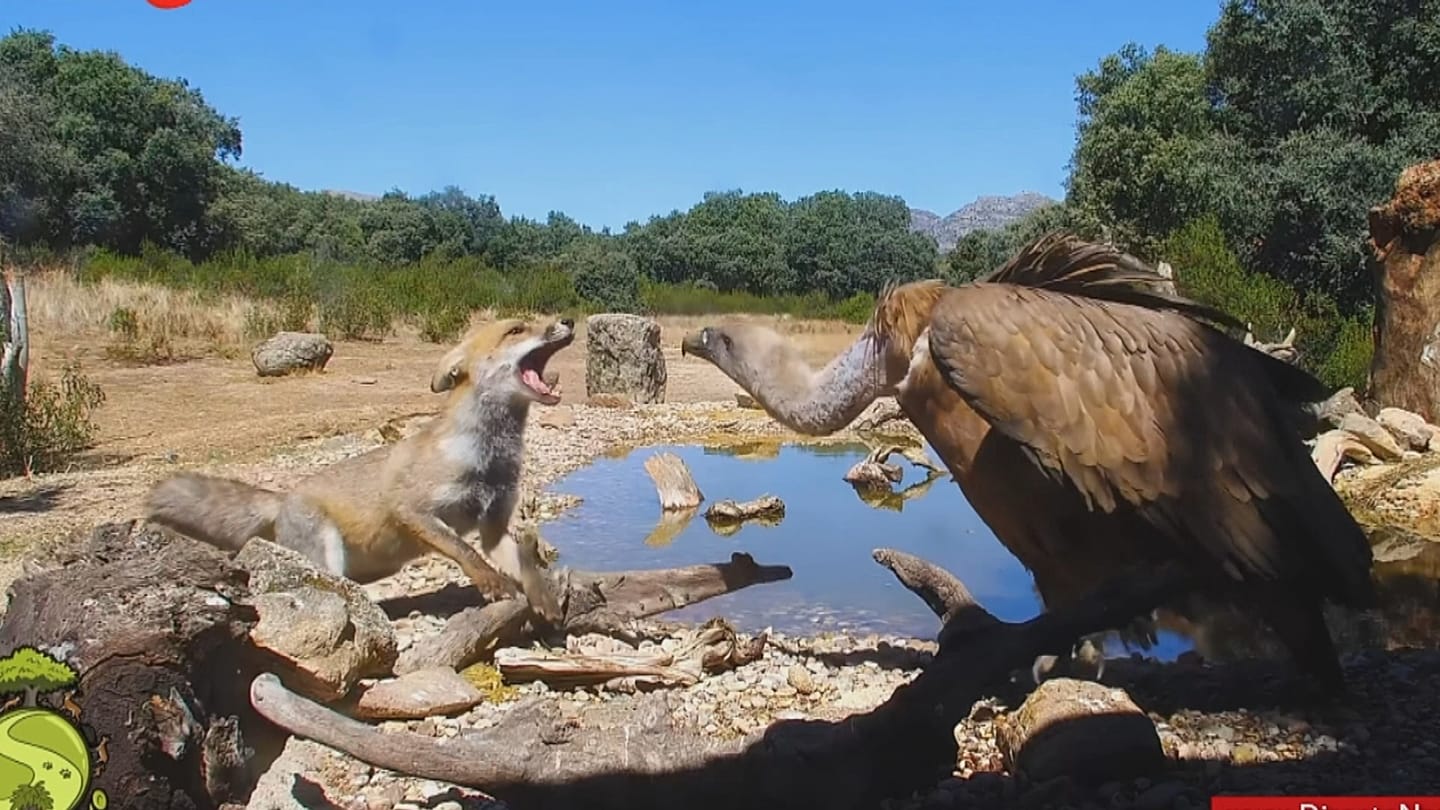
From the rugged peaks of the Picos de Europa to the wetlands of Doñana, a quiet revolution is unfolding in Spain's natural spaces. Live-streaming webcams, once the preserve of scientists and educators, have become a mainstream digital pastime, drawing viewers from across Europe and beyond.
The phenomenon is particularly pronounced in Spain, where a network of cameras in national parks and protected areas offers round-the-clock glimpses of wildlife. What began as a niche tool for monitoring species has evolved into a form of slow entertainment, akin to watching a digital aquarium but with the unpredictability of real nature.
From Research to Relaxation
The shift is not accidental. Spain's national park authorities, in collaboration with environmental NGOs, have expanded camera installations to include popular species such as the Iberian lynx, the Spanish imperial eagle, and the griffon vulture. These streams are now hosted on dedicated websites and social media channels, where they attract hundreds of thousands of views monthly.
“We initially set up cameras to study animal behavior and help with conservation planning,” explains a spokesperson for the Doñana Biological Station. “But we quickly noticed a surge in public interest. People were watching for hours, just to see a deer drink or a bird take flight.”
This trend mirrors a broader European appetite for digital nature experiences. In the UK, the Royal Society for the Protection of Birds runs similar live feeds from reserves, while in Switzerland, webcams in the Alps capture ibex and marmots. Spain, however, stands out for the sheer diversity of its ecosystems, from Mediterranean coastlines to high-altitude forests.
A Window on Conservation
The cameras also serve a practical purpose. They help rangers monitor for illegal activities, such as poaching or unauthorized camping, and provide real-time data on animal movements. During the devastating forest fires of 2025, which prompted Spain's largest-ever fire campaign, webcams were used to track wildlife fleeing the flames.
For viewers, the appeal is both educational and therapeutic. “It’s like having a window into a world that’s normally hidden,” says María López, a teacher from Madrid who regularly tunes into the Doñana stream with her students. “The children learn about ecosystems, but they also learn patience. You never know when something will happen.”
The phenomenon has also spawned a small community of dedicated viewers who share sightings on forums and social media. Some have even become amateur naturalists, identifying individual animals and tracking their habits over weeks or months.
Digital Leisure with a Purpose
As Europe grapples with biodiversity loss and climate change, these webcams offer a tangible connection to the natural world. They remind viewers that conservation is not an abstract concept but a living, breathing reality. For Spain, a country where nature tourism is a significant economic driver, the cameras also serve as a soft advertisement for its protected areas.
“We’ve had people book trips to the Picos de Europa after watching the streams,” notes a tourism official from Asturias. “They want to see the chamois and the vultures in person.”
The trend shows no signs of slowing. With advances in camera technology and cheaper streaming costs, more parks are expected to join the network. For now, the cameras remain a quiet but powerful tool for connecting Europeans with the continent’s wild side.