In 2025, the dream of owning a home in Spain has become significantly more distant for many. According to recent data, house prices across the country surged by 20.5% over the past year, while wages increased by a mere 1%. This disparity means that the average buyer now needs to dedicate more than eight years of their entire gross salary to purchase a property—a figure that has risen sharply from previous years.
Regional Disparities Widen
The situation is particularly acute in the Balearic Islands and Madrid. In Palma de Mallorca, for instance, the price-to-income ratio has soared, pushing homeownership beyond the reach of many local residents. Similarly, in the capital, Madrid, the financial effort required to buy a home has intensified, with properties in central districts like Salamanca or Chamberí demanding salaries far above the national average. This trend is not limited to these regions; cities such as Barcelona, Valencia, and Seville have also seen significant price hikes, though the burden is heaviest in the islands and the capital.
The broader context is one of real wages slipping across the eurozone, as inflation continues to outpace pay growth. In Spain, this has exacerbated the housing affordability crisis, making it increasingly difficult for young people and middle-income families to enter the property market.
Rental Market Under Pressure
The ripple effects are also felt in the rental market. With homeownership out of reach for many, demand for rentals has intensified, driving up rents. In cities like Barcelona and Madrid, tenants now spend a significant portion of their income on housing, a trend that has been documented in Spain's rental crisis. This dual pressure—on both buying and renting—is reshaping the housing landscape across the country.
Meanwhile, the tourism sector continues to boom, with geopolitical turmoil driving Spain's tourism toward 100 million visitors. This influx has further strained housing supply, particularly in tourist-heavy areas like the Balearic Islands, where short-term rentals often compete with long-term housing needs.
Policy Responses and Outlook
The Spanish government has introduced measures to address the crisis, including rent controls in some regions and subsidies for first-time buyers. However, critics argue that these steps are insufficient. The Bank of Spain has warned that without a significant increase in housing supply, prices will continue to rise. Developers point to bureaucratic hurdles and a shortage of land as key obstacles to building more homes.
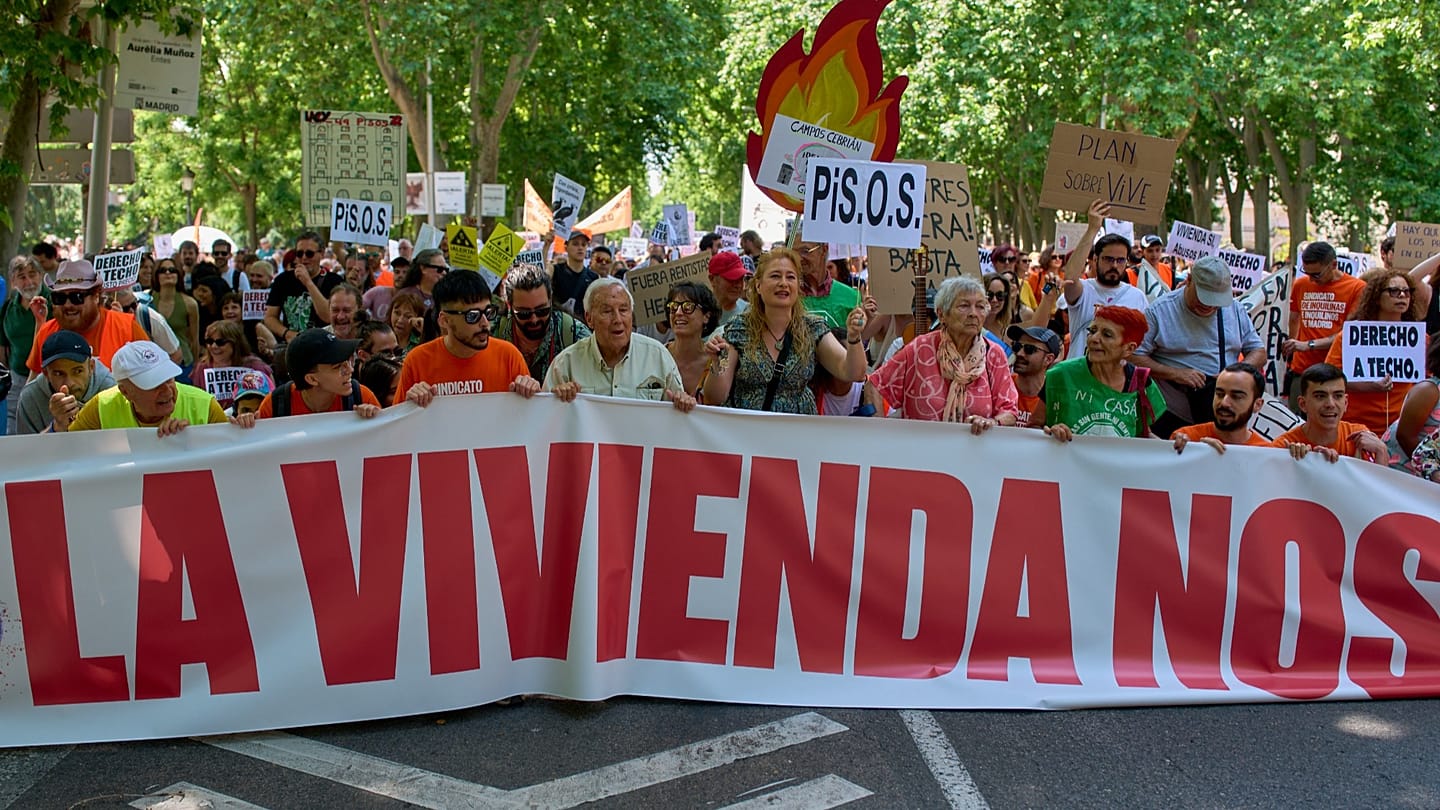
For now, the outlook remains challenging. As the gap between wages and house prices widens, the prospect of homeownership for many Spaniards—especially the young—seems increasingly elusive. The situation underscores a broader European trend, where real wages are slipping across the eurozone, and housing affordability is becoming a defining issue of the decade.