Two of Spain's largest hotel chains, Meliá Hotels International and Iberostar, have effectively ended their operations in Cuba, yielding to the pressure of US sanctions targeting the military conglomerate Gaesa. The withdrawals mark a significant retreat from the island by European tourism operators and underscore the deepening economic isolation of Cuba under the Trump administration.
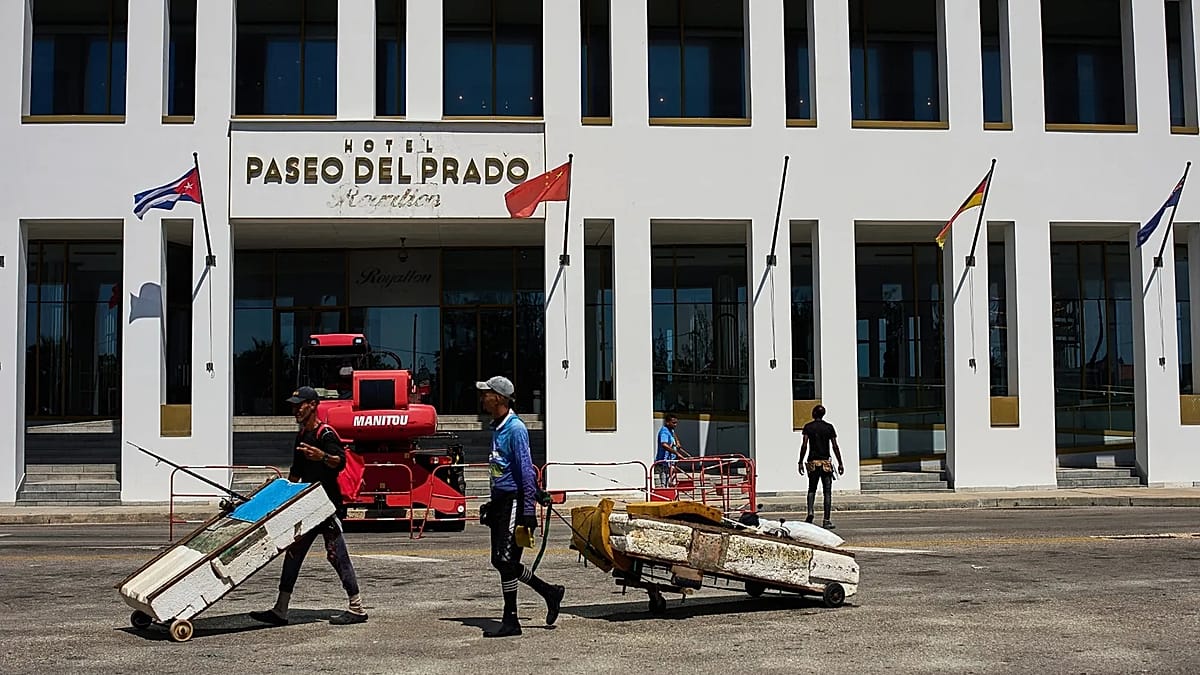
Meliá, headquartered in Palma de Mallorca, notified Spain's National Securities Market Commission (CNMV) on Wednesday that it had immediately halted the management, marketing, and use of its brands at 15 hotels in Cuba. The company acted through its Portuguese subsidiary Ilha Bela, which had already informed the hotel owners on 26 May of the impending decision. Meliá was the last major international operator with a substantial footprint on the island.
Iberostar, also based in Mallorca, had already taken the same step, ceasing operations and marketing at 12 properties as of 1 June. The chain formally ended all contractual ties with assets managed by the Gaviota Tourism Group, Gaesa's operational arm. Iberostar will maintain a presence in Cuba only at hotels linked to entities not covered by the sanctions.
The Trump administration set 5 June as the deadline for foreign companies to cut ties with businesses linked to Gaesa and its subsidiaries. The sanctions target any entity maintaining business relations with the holding company in sectors such as energy, defence, mining, and financial services. They also broadly prohibit providing funds or services to individuals designated by Washington, including military officer Ana Guillermina Lastres, Gaesa's director.
Legal Risks Outweigh Economic Exposure for Meliá
For Meliá, the financial risk of exiting was relatively limited. Most of the 15 affected hotels had been closed for months due to Cuba's severe energy crisis, which has crippled the tourism sector. The greater concern was legal: the Escarrer family's company has previously clashed with US authorities over its presence on the island, and further exposure could have led to penalties or restrictions on its operations in the United States.
Neither Meliá nor Iberostar officially cited US pressure as the reason for their decisions. Iberostar described its move as part of "a process of adapting to the international regulatory environment and aimed at preserving the standards of quality, compliance and management that characterise the company." Before the Spanish groups, Canadian chain Blue Diamond had already announced it was ending its operations in Cuba, where it managed 62 properties.
Tourism in Free Fall
The departure of these hotel groups hits a sector already in steep decline. Between January and April 2026, Cuba received only 328,608 international tourists, a drop of 55.8% compared with the same period in 2025. Arrivals had already fallen to historic lows in 2025, with 1.8 million visitors — less than half the 2018 figure — and all indications point to an even worse performance this year.
At least 11 airlines have suspended or reduced flights to Cuba in 2026, with more than 1,700 flights cancelled. Iberia has suspended its Madrid-Havana route until 24 October. Meliá had already closed 50% of its capacity on the island during the first quarter, with an average occupancy rate of just 34.1% and a 68% collapse in net profits.
The Spanish hotel groups' exit is a blow to Cuba's already struggling economy, but it also reflects broader trends in European tourism investment. As Europe's holiday rental price divide shows, the continent's own tourism market is increasingly fragmented, with destinations in the Balkans offering bargains while places like Monaco and Iceland command premium rates. For Spanish chains, the pullback from Cuba may free up capital for opportunities closer to home.
The situation also highlights the extraterritorial reach of US sanctions, which continue to shape the business decisions of European companies. The Trump administration's ultimatum has forced a stark choice on firms like Meliá and Iberostar: comply with Washington's demands or risk losing access to the American market. For now, they have chosen compliance.