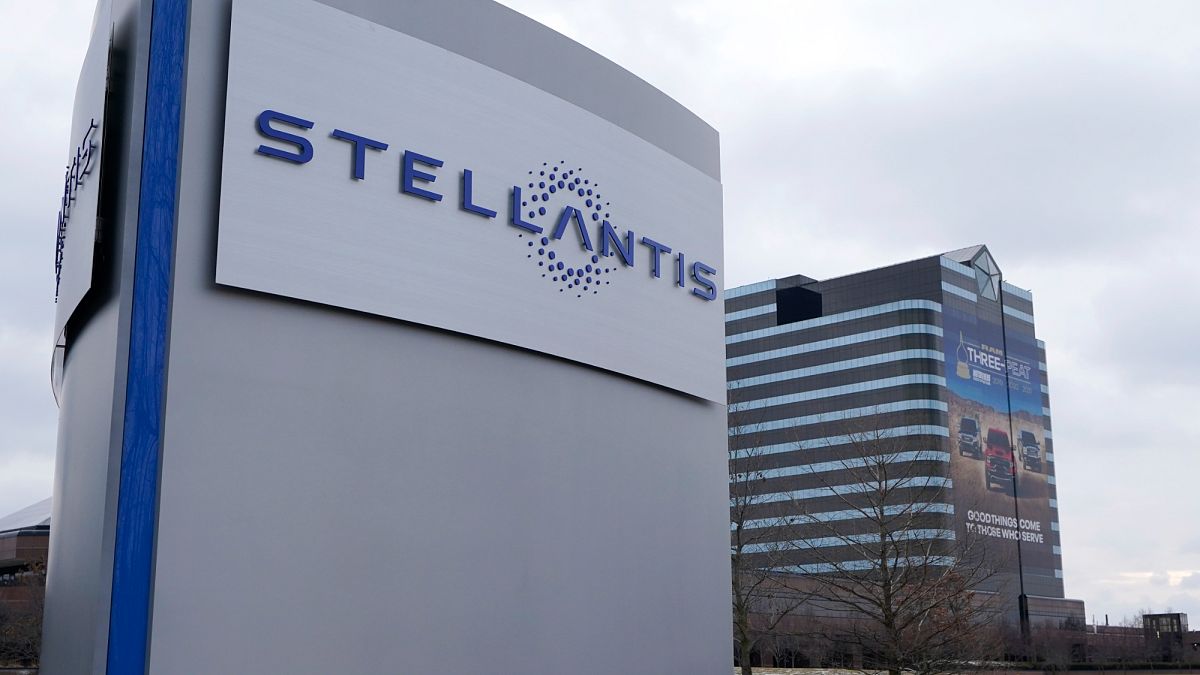
Stellantis has announced a recall of approximately 955,000 vehicles across its Chrysler, Dodge, Jeep, and Ram brands due to a software issue that can prevent rear-view camera images from displaying correctly during reversing. The recall covers around 848,000 vehicles in the United States, 83,000 in Canada, 8,000 in Mexico, and roughly 15,000 in other markets outside North America. Affected models include the Chrysler Pacifica, Pacifica Plug-in Hybrid, Voyager, Dodge Charger, Jeep Cherokee, Compass, Gladiator, Grand Cherokee, Grand Wagoneer, Wrangler, and various Ram trucks. The fix will be delivered via an over-the-air software update, and Stellantis says it is not aware of any crashes or injuries linked to the defect.
A recurring problem
This is not the first time Stellantis has faced a recall over rear-view camera software. In June 2024, the group recalled around 1.16 million vehicles in North America for a nearly identical issue, affecting models such as the Dodge Durango, Chrysler Pacifica, Jeep Grand Cherokee, and Ram. The recurrence of the same family of problems within two years makes this latest campaign more damaging in reputational terms, even if the direct cost is relatively low because the fix is digital.
The broader picture is more worrying. According to Stellantis's latest financial report, the group initiated recalls covering approximately 13.4 million vehicles in 2025, up from 7.3 million in 2024. The surge was driven by two major campaigns: one involving 1.5-litre DV5R diesel engines and another related to onboard diagnostic software. These came on top of ongoing campaigns, including those for Takata airbags.
Stellantis itself acknowledges the reputational risk. In its Annual Report 2025, the company states that recalls can damage its reputation and lead consumers to question the safety and reliability of its products. This is not an external critique but a recognition from within.
The financial toll of quality issues
The cost of poor quality is already substantial. In the second half of 2025, Stellantis booked a charge of around €5.3 billion after revising its estimates for warranty provisions, citing rising costs and a “deterioration in quality” linked to previous operational choices. According to Warranty Week's analysis of European carmakers' accounts, Stellantis set aside approximately €11.65 billion for warranties in 2025, an 84% increase from 2024. Actual warranty payments reached around €6.26 billion.
These figures should be interpreted with caution—provisions are not immediate cash outlays and not all are directly tied to recalls. But they illustrate the financial pressure that quality problems are exerting on the group. The latest recall, while relatively inexpensive to fix, adds to the cumulative burden of repeated campaigns, which require more service work, customer management, and potential lost sales.
Credibility under scrutiny
The new recall comes at a delicate moment for Stellantis, which is trying to convince investors and customers that it has turned a corner. In February 2026, the group announced a deep “reset” of its operations after booking around €22.2 billion in charges in the second half of 2025, including €4.1 billion related to warranty provisions. Management insists that quality is improving, citing a more than 50% reduction in first-month service issues in North America and a 30% drop in wider Europe since the start of 2025.
However, the recurrence of a similar recall undermines that message. As central banks have learned, credibility is hard to build and easy to lose. For Stellantis, the challenge is not just fixing the software but restoring trust in its quality control processes.
The company's struggles are part of a broader European automotive industry facing pressure from climate regulations and technological transitions. While Stellantis's recalls are not directly linked to environmental issues, they highlight the operational challenges that legacy automakers face in an era of rapid change.
Ultimately, the 955,000 vehicles in this recall are not the core problem. The real issue is the accumulation of warning signs: 13.4 million recalls in 2025, a €5.3 billion warranty charge, and a repeat of a known software flaw. Stellantis's ability to convince stakeholders that the worst is over will depend on whether it can demonstrate sustained improvement, not just in software updates but in the fundamental quality of its vehicles.