This weekend, train enthusiasts and history buffs gather in the Swiss Alps to mark the 100th anniversary of the Furka steam railway, a line that once connected the cantons of Uri and Valais and now operates as a living museum.
The railway's inaugural continuous journey took place on 3 July 1926, traversing the steep and winding route over the Furka Pass at an altitude of 2,431 metres. The pass itself gained fame for its hairpin curves, featured in the 1964 James Bond film Goldfinger, but the railway predates that cinematic moment by decades.
A Century of Service and Revival
For decades, the line served as a vital rail link between central Switzerland's German- and French-speaking regions. However, the opening of a base tunnel in the early 1980s diverted rail traffic, leading to the closure of the historic mountain route. A dedicated group of volunteers, known as the railway's “pioneers,” stepped in to restore and maintain the tracks and trains, ensuring they run as they did a century ago.
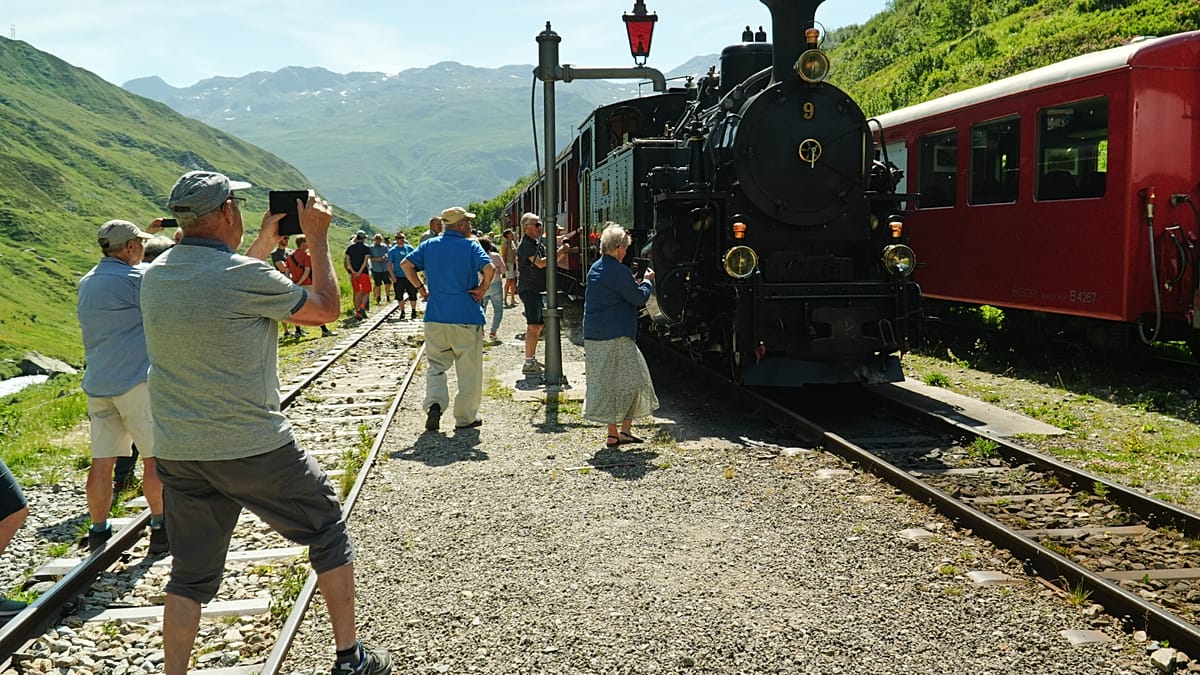
The first section reopened as a heritage railway in 1992, and the full 18-kilometre track was ready for travel by 2010. Today, steam trains operate exclusively as a tourist attraction during the summer months between the stations of Realp and Oberwald. Passengers board vintage carriages to admire rivers, Alpine meadows, and lush green pastures where patches of snow still linger.
Tourists last month enjoyed trips aboard the dampflokomotive through the German-speaking region. Passenger Stephan Willareth called his journey “wonderful,” while Kurt Guldemann, a former employee of the Swiss railways, heralded the history of the machines.
Bernhard Lang, one of the many volunteer drivers, described the skill required to master the vintage locomotives. “It’s something like a living machine, so you have to get kind of the feeling for it,” he said. “To feel how it behaves, how it moves, how it smells, how it sounds.”
Jacob Kallert, a 21-year-old German transport engineering student and the youngest train manager, emphasised the importance of listening to the locomotives. “You hear every sound, you hear if everything is right,” he said. “You can pretty much feel how it was then and how it is now.”
Volunteer Sergio Rovelli noted the infectious passion among those involved. “We say, in German, that everyone who works here has the ‘Furka Virus, the Furka disease,’” he joked. “Once you come here, you like it, and you stay.”
The centenary celebrations come amid broader challenges for Alpine tourism and infrastructure. The Swiss glaciers hit record early melt this year as Europe's heatwave accelerates ice loss, a reminder of the changing environment that these historic trains traverse. Meanwhile, other European rail services face disruptions, such as Renfe cancelling 320 trains due to a strike in Spain, highlighting the contrast between modern operational challenges and the preserved heritage of the Furka line.
For those who ride the rails, the experience offers a tangible connection to a bygone era of Alpine travel, kept alive by the dedication of hundreds of volunteers. As the steam engines climb the pass, the sounds and smells of a century-old technology continue to captivate a new generation of passengers.