Jordan's armed forces carried out a series of airstrikes on southern Syria on Monday evening, targeting what it described as hideouts of terrorist organisations. The military said the operation was in retaliation for a recent attack on a Greek Orthodox church in Karak, which reportedly killed nine people.
Government spokesperson Mohammad Al-Momani said the strikes killed more than 20 Islamic State operatives and destroyed a major weapons depot, following intelligence on imminent terrorist threats. He added that Jordan had avoided civilian sites and regretted unintended casualties, stressing the country's deep respect for the Syrian state and people.
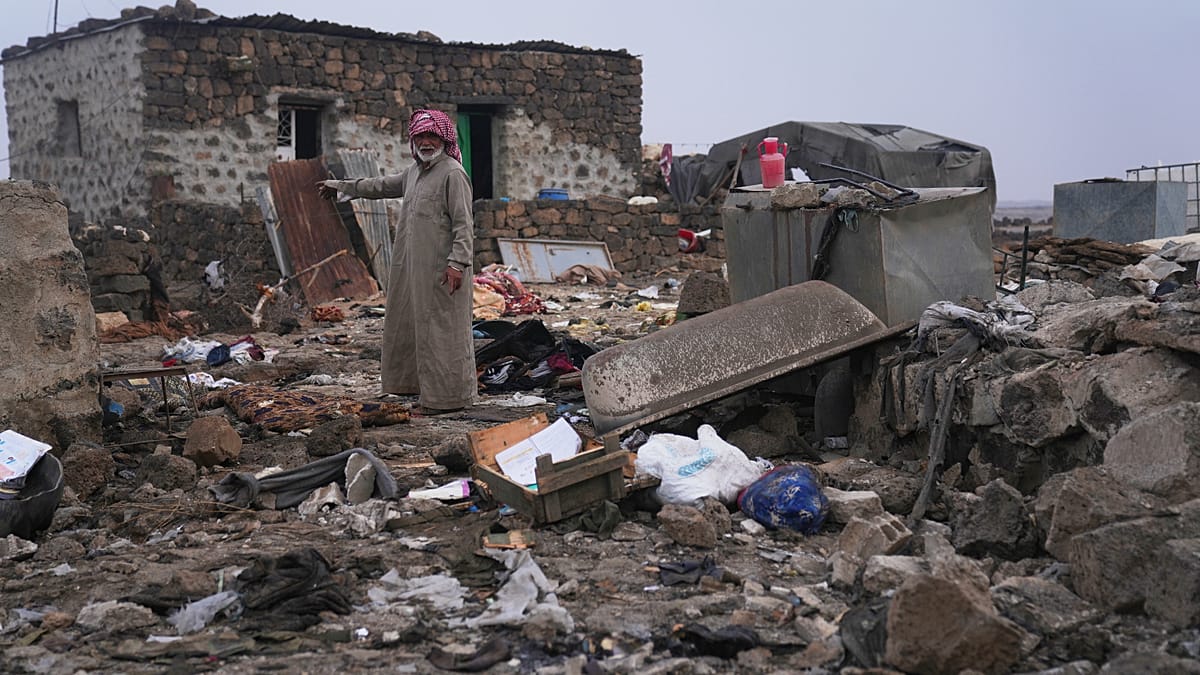
However, Syria's foreign ministry condemned the strikes as an unacceptable violation and breach of Syrian airspace without prior coordination. The Syrian civil defence agency reported a death toll of seven, including five members of one family in the Daraa Governorate—three children, a woman, and a man—as well as an 80-year-old in Daraa and a 60-year-old in the Suwayda Governorate.
Regional tensions and European concerns
The incident highlights the fragile security situation along Jordan's northern border, where Islamic State remnants remain active. Jordan, a key Western ally, has repeatedly conducted strikes against militant targets in Syria, but this operation has drawn sharp criticism from Damascus.
For European observers, the escalation is a reminder of the ongoing instability in the Levant, which has direct implications for migration flows and counter-terrorism cooperation. The European Union has maintained a cautious stance, urging restraint and respect for international law.
Jordan has recently sought to position itself as a stable partner for European investment, as seen in its efforts to pitch itself as a safe gateway for European business. Yet such military actions risk undermining its image as a beacon of stability in a turbulent region.
The Syrian government, meanwhile, has been reasserting control over its territory, and has recently taken steps to detain a militia commander linked to past atrocities, signalling its intent to consolidate power. The airstrikes complicate any potential normalisation of relations between Damascus and its neighbours.
European capitals are watching closely, as any further escalation could spill over into broader regional conflict, affecting energy supplies and refugee routes. The EU has repeatedly called for de-escalation and a political solution to the Syrian conflict, but such incidents underscore the difficulty of achieving lasting peace.
As the international community grapples with the fallout, the human cost remains the most pressing concern. The deaths of civilians, including children, in Daraa and Suwayda are a stark reminder of the price paid by ordinary Syrians in a war that has now entered its second decade.