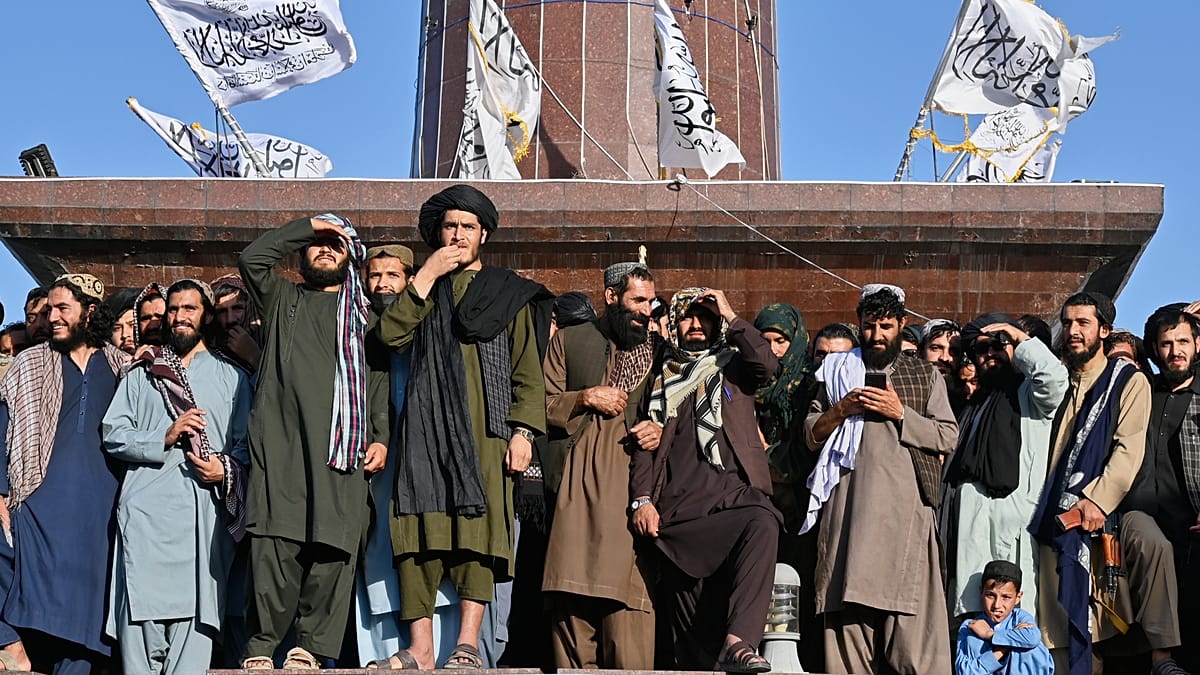
Kabul marked the fifth anniversary of the Taliban's return to power on Saturday with a show of force and celebration. Thousands gathered in the capital, with cars draped in flags and a parade of athletes—men only, reflecting the regime's ban on women in sports. Helicopters showered flowers over crowds outside the former US embassy, a potent symbol of the Western withdrawal that paved the way for the Taliban's takeover in August 2021.
The festivities extended to other provinces, where Taliban flags and posters praised the movement's victory. The Taliban's leadership hailed what they call restored stability and an end to decades of conflict, a narrative that contrasts sharply with the reality described by international observers.
Five years of isolation and a humanitarian emergency
Despite the celebrations, the Taliban's government remains internationally isolated. Only Russia has formally recognized it as Afghanistan's legitimate government, while other nations maintain unofficial contacts. On the anniversary, Zia Ahmad Takal, a Taliban foreign ministry spokesman, invited more countries to "invest, and make extensive use of the available economic opportunities" in Afghanistan—a plea that has largely gone unanswered.
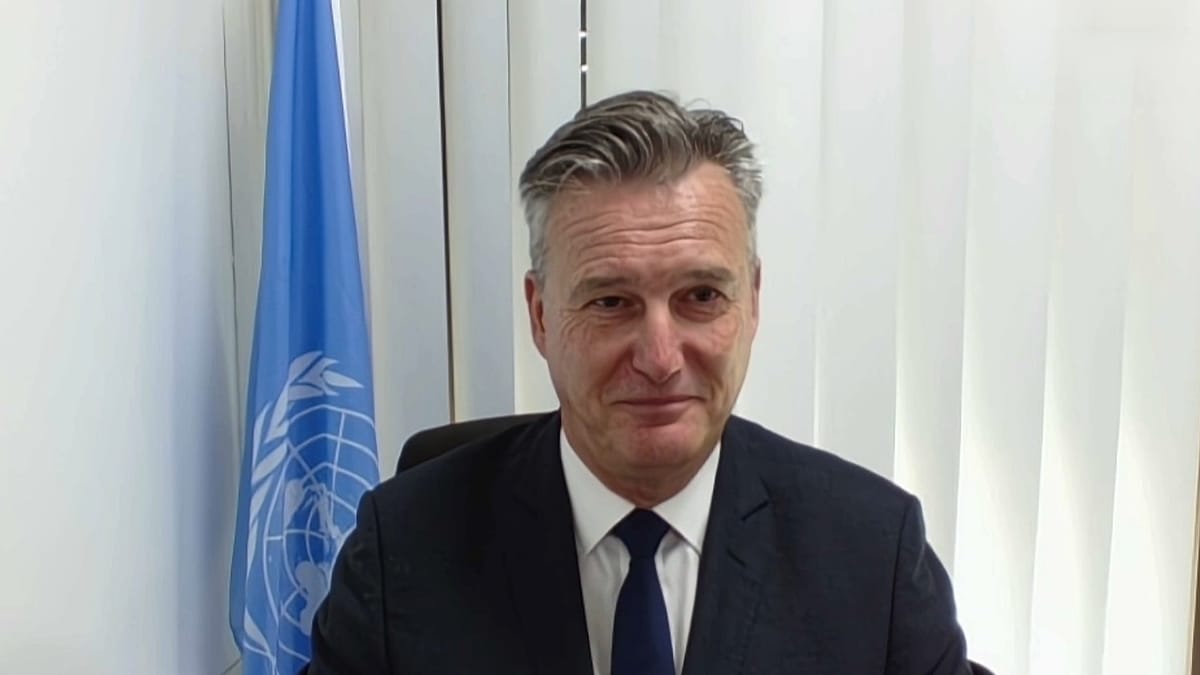
The United Nations' special rapporteur on human rights in Afghanistan, Richard Bennett, used the occasion to highlight a "deep human rights crisis." UNESCO estimates that 2.4 million girls are excluded from secondary education, and the UN World Food Program reports that child malnutrition has reached critical levels in a third of the country's provinces, with funding shortfalls expected to worsen the situation.
Since seizing power, the Taliban have reneged on promises to allow women access to education and employment. Girls are banned from schooling beyond the sixth grade, and women are barred from higher education altogether. They are also excluded from public spaces such as parks and gyms, prohibited from sports, and cannot travel without a male guardian.
This treatment of women and girls remains the primary obstacle to broader international recognition. The European Union has reiterated that it "does not recognise or legitimise the Taliban-run de facto authorities but it maintains operational contact with them on its core values and interests, including women’s and girls’ rights." France's Foreign Ministry echoed this stance, insisting there will be no normalisation unless the Taliban respect international obligations on human rights, counter-terrorism, and inclusive governance.
The Taliban's return to power followed a chaotic US withdrawal after a two-decade war that cost an estimated $1 trillion, according to then-President Joe Biden. The final days saw desperate crowds at Kabul airport, scenes that remain etched in global memory. For many Afghans, the anniversary is not a celebration but a reminder of lost freedoms and an uncertain future.
As the international community grapples with how to engage with the Taliban, the humanitarian crisis deepens. The EU's approach has drawn criticism from some quarters, as debate over engagement continues. Meanwhile, the Taliban's policies have prompted a cultural response, with photographers like Daniel Malikyar documenting Afghan life beyond the headlines.
For now, the Taliban remain in control, but their legitimacy is contested, and the country's future hangs in the balance. The anniversary serves as a stark reminder of the cost of war and the fragility of peace.