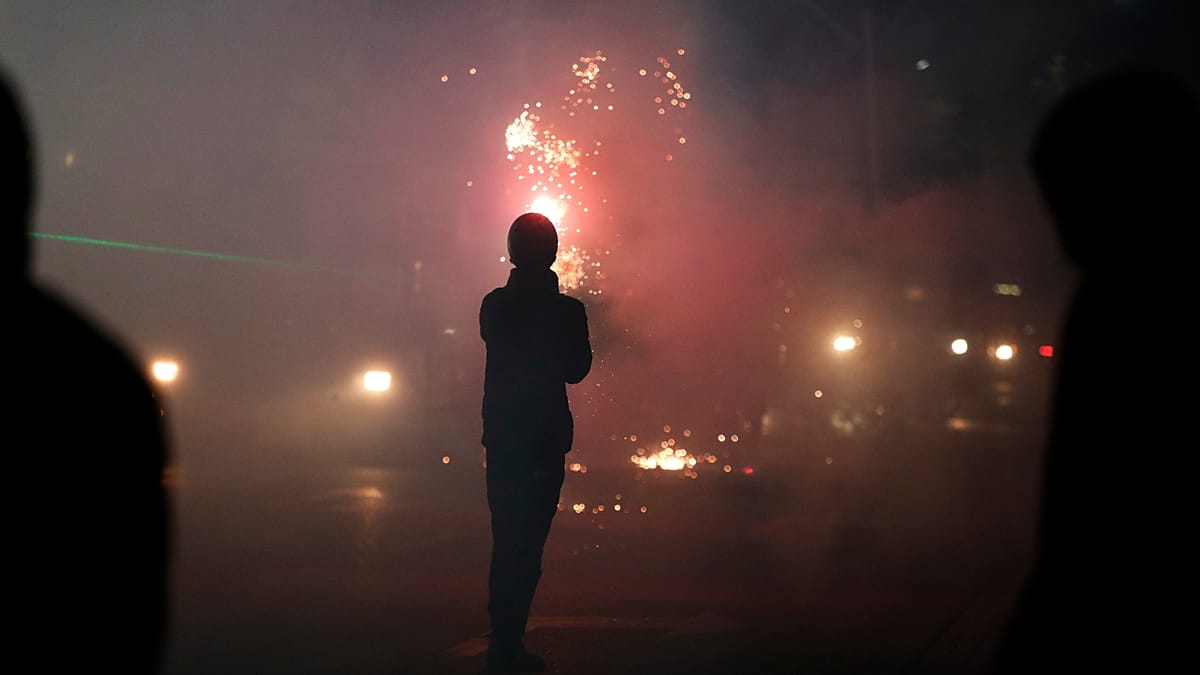
Clashes in the Albanian capital intensified on Monday as demonstrators hurled petrol bombs and fireworks at police lines, prompting riot officers to respond with water cannon, tear gas and rubber bullets. The violence marks a significant escalation in the anti-government protests that have gripped Tirana for nearly a week.
Streets of Tirana turn into battleground
Witnesses described scenes of chaos in the city centre, with plumes of smoke rising from burning barricades and the sharp crack of fireworks echoing between apartment blocks. Police in full riot gear advanced on protesters near the prime minister's office, while water cannon trucks doused crowds attempting to push through cordons.
The unrest began over frustrations with the government's handling of the economy and allegations of corruption, but has since broadened into a wider challenge to Prime Minister Edi Rama's rule. On Monday, the interior ministry confirmed that several officers had been injured, though it did not provide a precise figure. Medical teams at Tirana's main hospital reported treating dozens of civilians for tear gas inhalation and minor wounds.
Opposition leaders have called for Rama's resignation, accusing his administration of eroding democratic institutions and muzzling the press. In a televised address on Sunday evening, Rama dismissed the protests as an attempt to destabilise the country, insisting he would not step down. His tone has hardened as the demonstrations have grown, with the prime minister accusing protesters of crossing a "red line" by attacking state property.
The European Union has urged restraint on both sides, with a spokesperson in Brussels calling for dialogue to resolve the crisis. Albania is a candidate for EU membership, and the bloc has repeatedly stressed the importance of political stability and the rule of law in the accession process. The violence in Tirana is being closely watched in other European capitals, where concerns about democratic backsliding in the Western Balkans have been growing.
Monday's clashes follow a pattern seen elsewhere on the continent. In France, violent unrest over pension reforms has tested the government's resolve, while in Italy, cost-of-living protests in Milan led to over 200 arrests. The scenes in Tirana echo these tensions, though the political stakes in Albania are arguably higher, given the country's fragile democratic trajectory.
Analysts point to a combination of factors driving the anger: high unemployment among young people, a perceived lack of accountability for corruption, and a sense that the political elite has grown distant from ordinary citizens. "People are not just angry about one policy," said Arben Kola, a political scientist at the University of Tirana. "They feel the system itself is broken, and that peaceful means of change have been exhausted."
The protests have also drawn in a cross-section of society, from students and teachers to pensioners and small business owners. Many of those on the streets on Monday said they had never participated in demonstrations before, but felt compelled to act. "We are fighting for our children's future," said one protester, who gave her name only as Elda. "If we don't stand up now, nothing will ever change."
Police have defended their tactics, arguing that they are necessary to prevent the situation from spiralling out of control. A police spokesperson said officers had been subjected to "extreme provocation" and that the use of water cannon and tear gas was in line with standard procedures. Human rights groups, however, have criticised the heavy-handed response, calling for an independent investigation into reports of excessive force.
The unrest shows no signs of abating. Opposition parties have called for a general strike later this week, and there are reports of planned protests in other Albanian cities, including Durrës and Shkodër. The government, for its part, has vowed to maintain order, raising fears of further confrontation.
As the crisis deepens, the international community is watching closely. The EU has offered to facilitate dialogue, but both sides remain entrenched. For many Albanians, the coming days will determine whether the country can navigate this turbulent period without further damage to its democratic institutions.