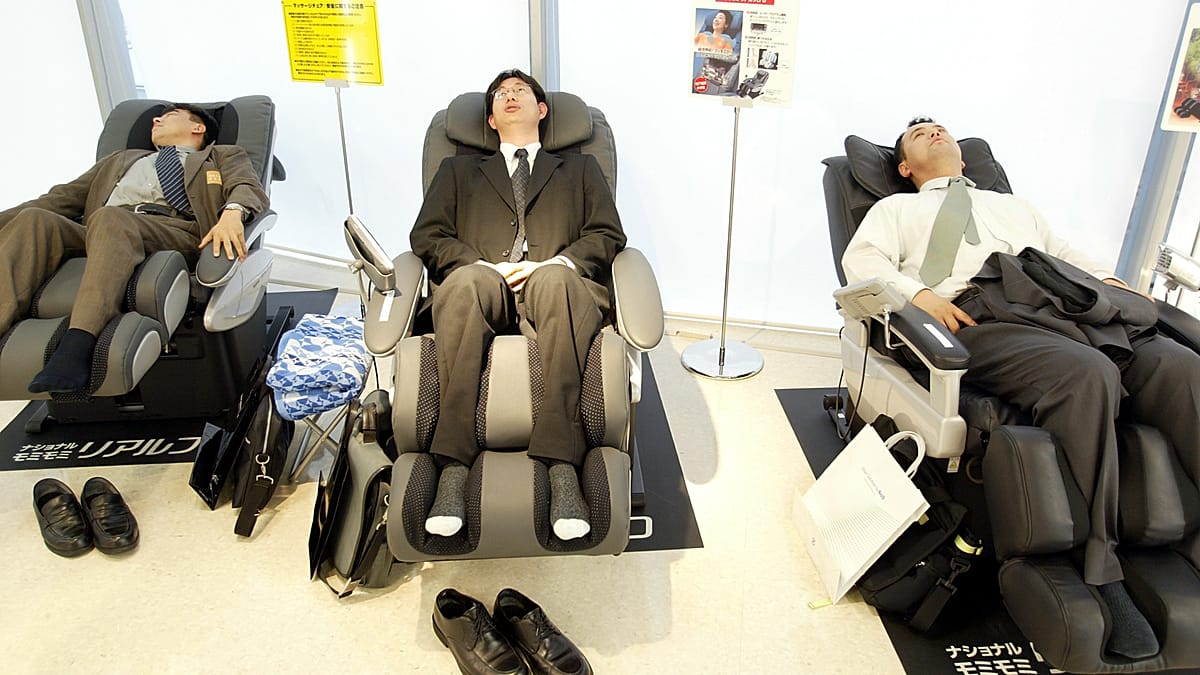
In a city where the nightly scramble for the last train is as ritualistic as the morning rush, a new kind of competition is turning heads. Tokyo's latest event, organized by the Australian mattress company Koala, is offering ¥2 million (roughly €12,500) to the person who sleeps best. The contest, held in a specially designed space in the Japanese capital, invites participants to simply sleep—and sleep well—under the watchful eyes of judges and sensors.
The competition is more than a marketing stunt. It taps into a serious national issue: Japan's chronic sleep deprivation. According to OECD data, the average Japanese person sleeps less than seven hours a night, far below the recommended eight. The country's demanding work culture, with its long hours and pervasive overtime, has long been blamed for this deficit. The term karoshi—death from overwork—is a grim reminder of the stakes.
More than a nap
Koala's event is not about who can sleep the longest, but who sleeps best. Participants are monitored for sleep quality, including duration, depth, and consistency. Judges also consider how refreshed and alert contestants feel upon waking. The winner, announced after a 24-hour sleep marathon, will take home the prize and, presumably, a renewed sense of well-being.
The contest has drawn a mix of curiosity and criticism. Some see it as a lighthearted way to highlight a serious issue, while others argue it trivializes a public health concern. "It's a clever PR move, but it also opens a conversation we need to have," said Dr. Yuki Tanaka, a sleep researcher at the University of Tokyo. "Japan's sleep problem is not a joke. It affects productivity, mental health, and even safety on the roads."
Japan's sleep crisis has broader implications for Europe, where similar patterns are emerging. In many European countries, long working hours and digital distractions are eroding sleep quality. The European Sleep Research Society has warned that sleep deprivation costs the EU economy billions of euros annually in lost productivity and healthcare expenses. The Tokyo contest, though quirky, serves as a reminder that rest is not a luxury but a necessity.
Koala, which entered the Japanese market in 2019, has positioned itself as a champion of better sleep. The company's marketing often emphasizes the link between quality rest and overall health. "We want to make sleep a priority, not an afterthought," said a spokesperson. "If a competition can get people talking about sleep, then we've achieved our goal."
The event also reflects a broader cultural shift. In recent years, Japanese companies have begun to rethink their approach to work-life balance. Some have introduced mandatory rest periods, while others have experimented with shorter workweeks. The government has even launched campaigns encouraging citizens to sleep more, though progress has been slow.
For Europeans watching from afar, the Tokyo sleep contest offers a moment of reflection. As Oktoberfest's record attendance shows, Europeans know how to celebrate, but do we know how to rest? The answer, for many, is no. A 2023 Eurofound report found that nearly a quarter of EU workers suffer from sleep problems, often linked to stress and long hours.
The competition's prize money, while substantial, is symbolic. The real reward, organizers say, is the awareness it raises. "We hope that people will see this and think about their own sleep habits," the spokesperson added. "Whether you're in Tokyo or Berlin, sleep is universal."
As the contest concluded, the winner—a 34-year-old office worker from Saitama—was declared after a night of uninterrupted slumber. "I feel amazing," she said, rubbing her eyes. "I can't remember the last time I slept like this." Her victory, however, is a reminder that for millions of Japanese, a good night's sleep remains an elusive dream.
In Europe, the conversation about sleep is gaining momentum. From EU policy debates to data privacy concerns, the continent is grappling with the demands of a 24/7 world. Perhaps the Tokyo sleep contest, with its simple premise, can inspire a broader movement—one that values rest as much as productivity.