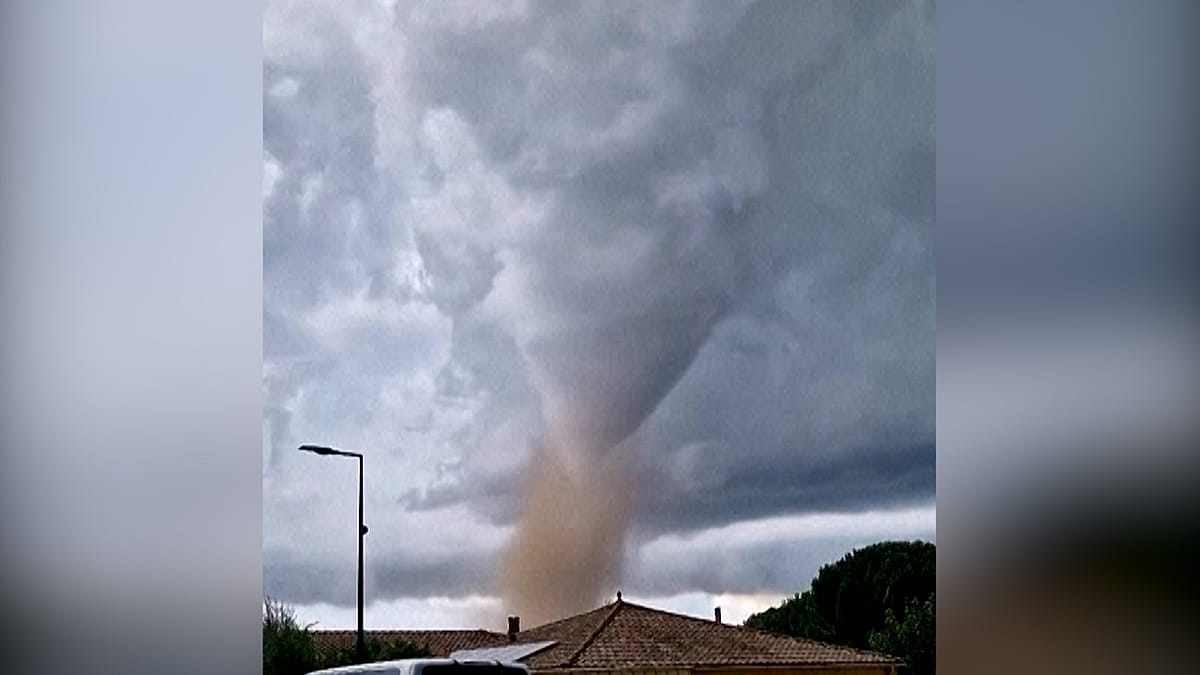
A violent tornado swept through the village of Pomas and surrounding areas in the Aude department of southern France on [date], leaving a trail of destruction. The storm damaged approximately 300 homes and injured 39 people, according to local authorities. Emergency services were deployed across the affected zone, with teams searching through debris in several villages.
Rescue operations underway
Rescue teams, including firefighters and civil security personnel, have been working through the night to reach isolated properties and assess the full extent of the damage. In Pomas, a village of about 900 residents near Carcassonne, several houses lost roofs and walls collapsed under the force of the winds. The injured have been taken to hospitals in Carcassonne and Limoux, though authorities have not reported any fatalities so far.
Local mayor Jean-Pierre Durand told reporters that the tornado struck with little warning, catching many residents off guard. "We heard a roar like a freight train, and within minutes the sky turned black. It was terrifying," he said. The mayor added that a temporary shelter has been set up in the village hall for those whose homes are no longer habitable.
The Aude prefecture confirmed that power lines were brought down, leaving thousands of households without electricity. Utility workers from Enedis, the national grid operator, have been dispatched to restore supply, but some remote hamlets may remain offline for several days.
Wider context of extreme weather
The tornado is the latest in a series of severe weather events to hit the region. Earlier this year, a tornado tore through Aude villages near Carcassonne, leaving thousands without power. That storm injured 26 people and damaged around 100 homes, according to reports at the time. The recurrence of such events has raised questions about the region's preparedness for extreme weather, which some scientists link to broader climate shifts affecting the Mediterranean basin.
Météo-France had issued a yellow alert for thunderstorms in the Aude and neighbouring departments earlier in the day, but the intensity of the tornado exceeded forecasts. Meteorologists noted that the combination of warm, moist air from the Mediterranean and cooler upper-level winds created ideal conditions for supercell storms, which can spawn tornadoes.
Residents in the affected area are now facing a long recovery. Insurance companies have begun assessing claims, and the regional government has promised emergency funds for the worst-hit families. The prefect of Aude, Sophie Thibault, said in a statement that "the state will stand by the victims" and that a crisis unit would remain active until the situation is stabilised.
This event also highlights the vulnerability of rural communities across Europe to extreme weather. In neighbouring Spain, similar storms have caused damage in recent years, and some young buyers are moving to depopulated villages where infrastructure may be less resilient. Meanwhile, in the Alps, climate change is already triggering record rockfalls, a reminder that the continent's landscapes are shifting under environmental pressure.
As the clean-up begins, local officials are urging residents to document damage and avoid entering unsafe structures. The tornado's path, which stretched several kilometres, has left a visible scar across the countryside, with uprooted trees and scattered debris marking its route. For the people of Pomas and nearby villages, the road to recovery will be long, but the community's resolve remains strong.