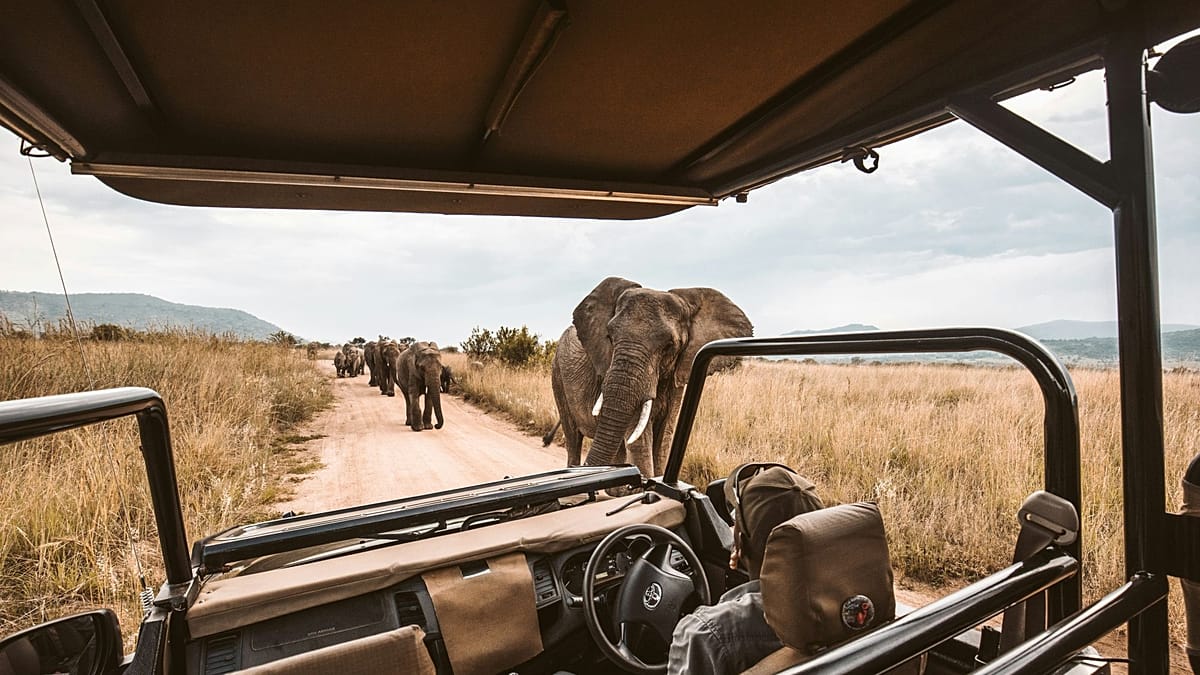
Experienced travellers are turning away from packed, social-media-driven itineraries and towards more meaningful, personal journeys, according to the latest Global Rescue Traveller Sentiment and Safety Survey. The findings suggest a maturing travel mindset across Europe and beyond, with a clear shift from FOMO (fear of missing out) to YOLO (you only live once) and JOMO (joy of missing out).
The survey, which polled seasoned travellers, found that 68% are now more interested in once-in-a-lifetime experiences than they were a year ago. Only 29% reported no change in their desire for YOLO travel, while a mere 3% said they were less interested. This growing appetite for extraordinary experiences is reshaping how people plan their holidays, from the fjords of Norway to the sun-drenched coasts of Croatia.
At the same time, the appeal of crowded tourist hotspots is fading. Two-thirds of respondents (66%) said they are more interested in escaping crowded destinations compared to last year. This JOMO trend is particularly evident in European cities like Barcelona, Amsterdam, and Prague, where overtourism has prompted local protests and new restrictions. Travellers are increasingly seeking out quieter corners—perhaps the lesser-known villages of Tuscany or the remote islands of Greece—where they can connect with local culture without the crush of selfie sticks.
Interest in FOMO-style itineraries, where every hour is packed with activities, is clearly on the wane. Only 15% of those surveyed said they are more interested in this type of travel, while 27% are less interested. The days of racing from one landmark to another, ticking off checklists, appear to be giving way to slower, more immersive journeys. This aligns with the broader slow travel movement, which encourages longer stays in fewer places, often using trains rather than planes.
The survey also revealed a declining fascination with screen-inspired travel. Just 5% of experienced travellers said they are more interested in visiting destinations featured on film or television, while 35% are less interested. This marks a notable departure from the 'set-jetting' trend that has boosted locations like Dubrovnik (Game of Thrones) or the Scottish Highlands (Outlander). Instead, travellers are prioritising authentic, personal connections over recreating scenes from their favourite shows.
A maturing traveller mindset
Dan Richards, CEO of The Global Rescue Companies, commented: “The survey reflects a maturing traveller mindset. People aren’t travelling to impress others or recreate what they’ve seen online. They’re travelling to create experiences that matter to them personally. That’s changing where they go, how they plan and what defines a successful trip.”
This shift is having tangible effects on the travel industry across Europe. Tour operators are reporting increased demand for customised, off-the-beaten-path experiences, while traditional package tours to crowded capitals are seeing slower growth. The rise of solo travel is another facet of this trend, as more Europeans seek independence and self-discovery on their own terms.
For those worried about non-refundable bookings, new solutions are emerging. A resale platform now allows travellers to offload their non-refundable reservations, offering flexibility that aligns with the desire for spontaneous, meaningful trips. This kind of innovation is helping to reduce the risk of committing to a once-in-a-lifetime adventure.
The findings also resonate with broader travel patterns. While Paris and New York continue to top global tourism attractiveness rankings, as noted in a recent ranking, the survey suggests that experienced travellers are increasingly looking beyond these well-trodden paths. The appeal of quieter, less commercialised destinations is growing, and this could have long-term implications for how European tourism boards market their regions.
As the travel industry adapts, it is clear that the post-pandemic traveller is more discerning. The emphasis on personal meaning over external validation is not just a passing fad but a fundamental shift in values. For Europeans, who have a wealth of diverse cultures and landscapes on their doorstep, this trend offers an opportunity to explore the continent in a more thoughtful and sustainable way.
In conclusion, the survey paints a picture of a traveller who is confident, intentional, and unafraid to miss out on the crowd. Whether it's a quiet retreat in the Alps or a once-in-a-lifetime safari in Africa, the focus is on experiences that resonate personally. As Richards puts it, success is no longer measured by how many photos you post, but by how deeply you connect with the places you visit.