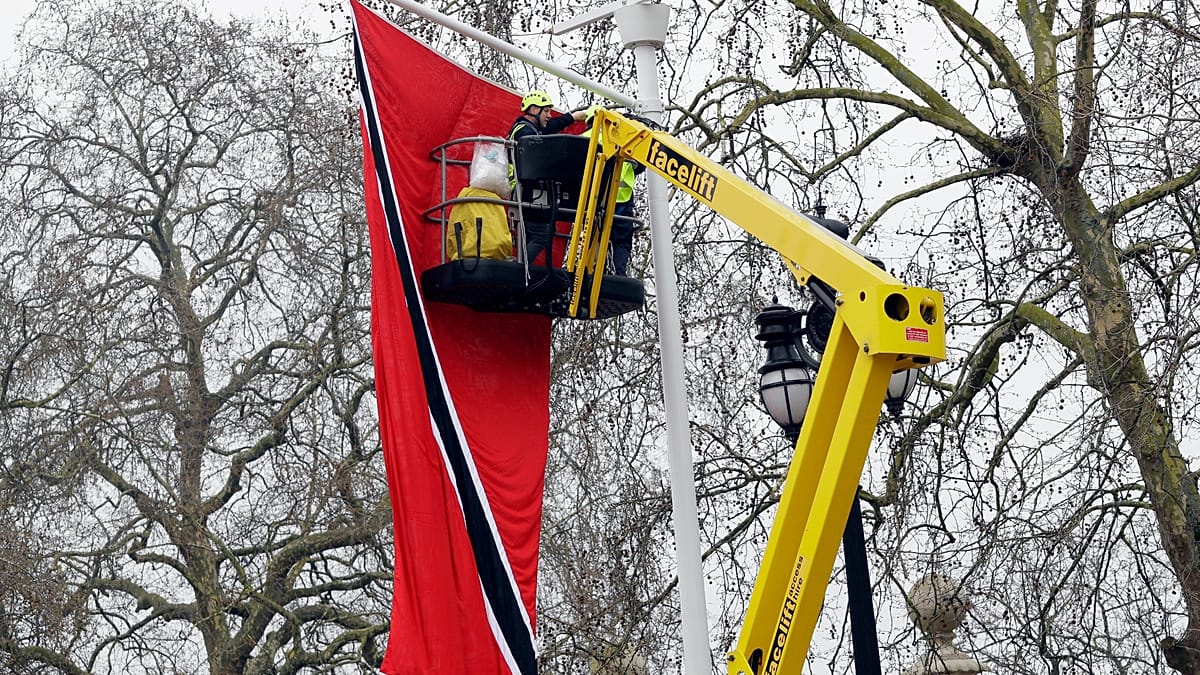
In a landmark ruling for the Caribbean, Trinidad and Tobago's highest court has struck down a law that criminalised consensual sexual relations between adults of the same sex. The Judicial Committee of the Privy Council, the London-based final court of appeal for several British dependencies and overseas territories, issued a unanimous decision on Tuesday that the 1986 Sexual Offences Act could no longer be applied to private, consensual acts between same-sex adults.
The law had carried penalties of up to five years' imprisonment for "buggery" and two years for "serious indecency." Activists had long argued that these provisions were a colonial-era relic that fuelled discrimination and violence against LGBT+ people in the twin-island nation.
A decade of legal persistence
The case was brought by Jason Jones, an LGBT+ rights activist who first challenged the law in 2014. After years of procedural battles, the Privy Council's ruling finally brings the matter to a close. In his first reaction, Jones said the fight was not over. "What I'm going to be doing in the coming months is very targeted activism about how the Caribbean, not just Trinidad and Tobago, deals with endemic homophobia," he told reporters outside the court.
Freedom Law Chambers, the firm representing Jones, called the judgement a "phenomenal victory for gay rights, equal dignity and respect for private and family life in Trinidad and Tobago." The court itself stressed that constitutional rights must be interpreted in a way that makes them "practical and effective in the present day, not in the past."
The ruling was welcomed by the UN Human Rights chief, Volker Türk, who described it as a significant milestone for rights and equality. It also resonates beyond the Caribbean, as similar colonial-era laws remain on the books in several other Commonwealth nations.
For European readers, the decision is a reminder that the fight for LGBT+ equality is far from uniform across the globe. While many European countries have long since decriminalised same-sex relations, the Caribbean remains a region where such laws have persisted. The Privy Council's ruling could set a precedent for other British overseas territories and Commonwealth countries that still enforce similar statutes.
The judgement also comes at a time when human rights are under pressure in various parts of the world. In Europe, debates over LGBT+ rights continue in countries like Hungary and Poland, where local authorities have declared "LGBT-free zones" or restricted adoption rights. The Trinidad and Tobago ruling offers a counterpoint, showing that judicial bodies can play a decisive role in advancing equality.
Jones's next steps will be closely watched. He has indicated he will push for broader social change, targeting endemic homophobia in the Caribbean. His activism may also inspire similar challenges in other nations, potentially reshaping the legal landscape for LGBT+ people across the region.
The decision is a clear signal that the law must evolve with societal values. As the Privy Council noted, constitutional protections are not static; they must be applied to contemporary realities. For Trinidad and Tobago, this means that private, consensual relationships are no longer a criminal matter.
While the ruling is a cause for celebration among activists, it also highlights the long road ahead. Legal victories do not automatically erase prejudice. But they provide a foundation for further progress, and for many, that is a step worth taking.