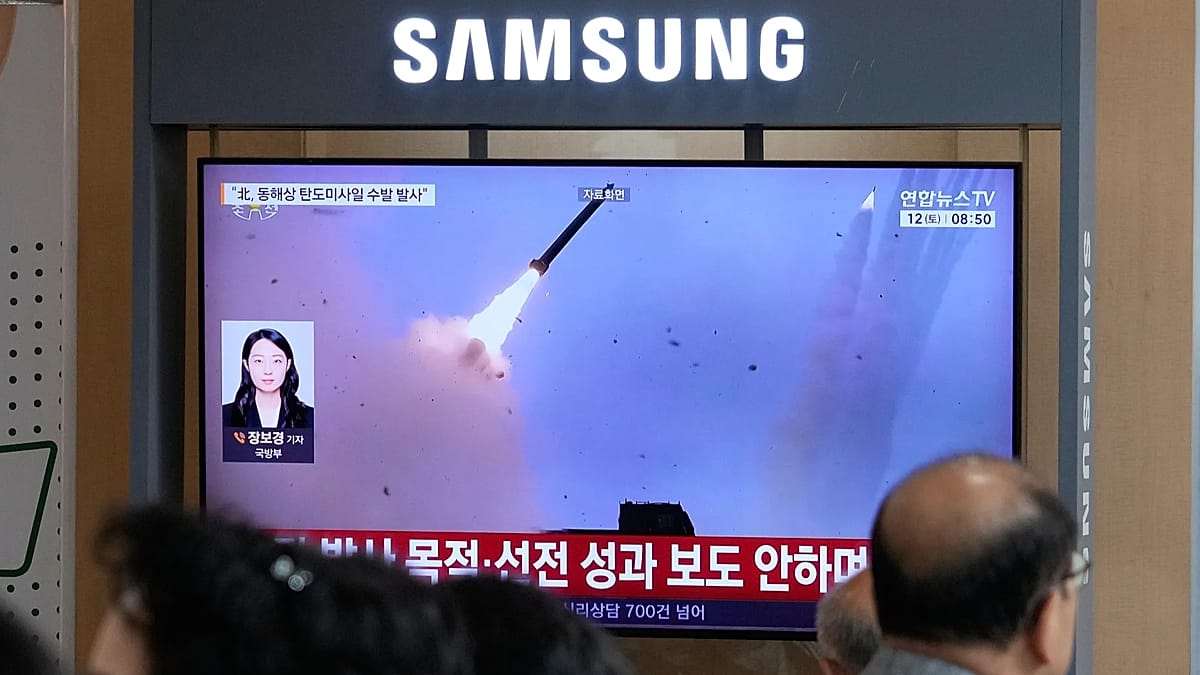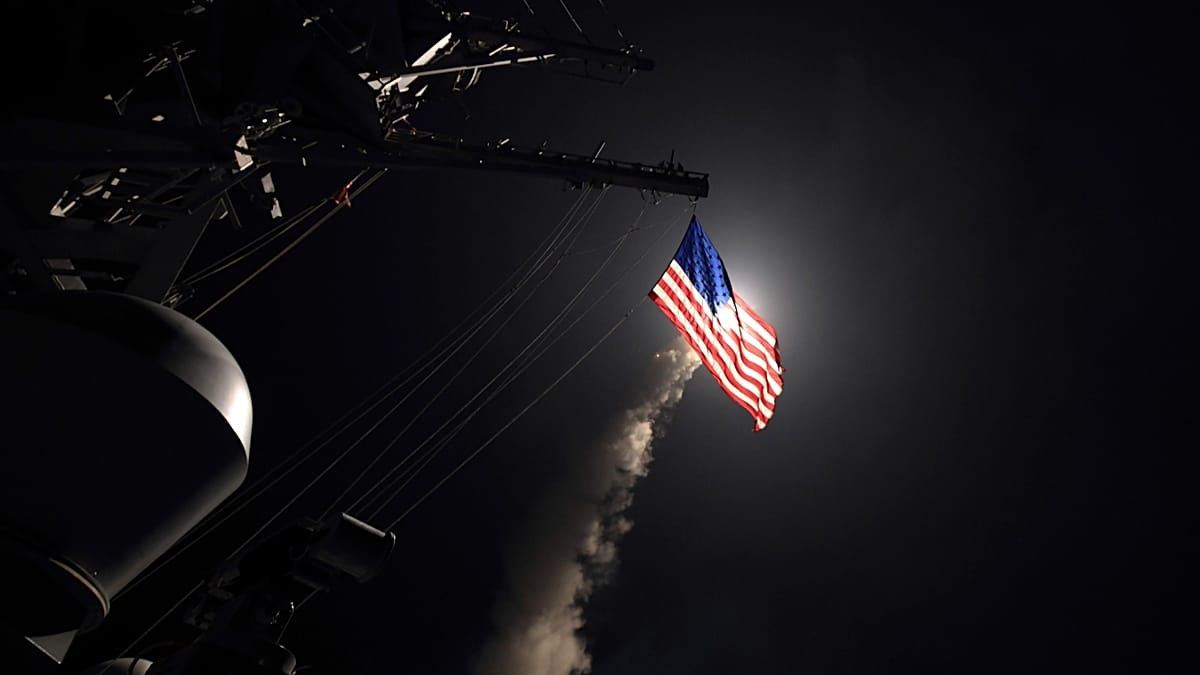
President Donald Trump has pushed back against media reports of acute shortages in American weapons stockpiles, insisting the United States retains 'massive amounts' of munitions and threatening those who leak such information with lengthy prison sentences. The outburst on his Truth Social platform came as frustration over the ongoing conflict with Iran appeared to boil over.
In a series of posts on Thursday, Trump did not provide specific figures but asserted that the US holds vast reserves, particularly of certain types of munitions. He added that 'large amounts are being manufactured and shipped to the US as needed' and that defence companies are building the largest number of plants and factories in the country's history.
The president's remarks follow a Washington Post report claiming that he confronted Pentagon chief Pete Hegseth at a Camp David cabinet meeting last Friday, demanding answers about the shortages. According to the newspaper, Trump told Hegseth he thought the munitions issue 'had been fixed.' The White House and the Pentagon have both dismissed the account as fiction.
Press secretary Karoline Leavitt wrote on X: 'I was at Camp David with President Trump and Secretary Hegseth. This literally never happened.' Chief Pentagon spokesman Sean Parnell called the reports about the clash and the weapons shortages 'equally fictional.'
Trump, however, escalated his rhetoric on Thursday, warning that 'the leakers of these treasonous statements are being hunted down' and that 'long term jail sentences will be sought!'
Strategic implications and the Hormuz question
The denials come amid reports that shortages of long-range guided missiles and air-defence interceptors have shaped Washington's approach to the conflict with Iran. CNN reported that the US military has 'nearly exhausted 80%' of its stock of THAAD interceptors, and the Post suggested the shortages led Trump to call off fresh strikes against Iran, despite earlier threats to hit the Islamic republic 'very hard.'
Meanwhile, Iran and Oman have finalised an agreement on the geographical coordinates of a proposed shipping route through the Strait of Hormuz, a vital chokepoint for global oil supplies. Tehran's foreign ministry spokesman, Esmaeil Baghaei, said the two countries are preparing a joint statement covering technical, legal, security and environmental aspects. Iranian media quoted official sources as saying the reopening of the Strait would depend on the US ending its naval blockade of Iranian ports.
Iran's foreign ministry has denied any ongoing negotiations with Washington, even as Trump claimed Tehran was keen for a deal. The developments come after Trump issued a stark ultimatum to Iran over Hormuz and its nuclear programme, and following reports that he called off strikes after Tehran agreed to reopen the Strait. The situation remains fluid, with new talks reportedly scheduled for Monday.
For European observers, the reliability of US munitions supplies is a matter of direct concern, particularly given Washington's role in NATO's eastern flank. Uncertainty over American defence commitments has already complicated discussions about Patriot missile licences for Ukraine, and any perception of depleted US arsenals could have ripple effects across European security planning.
As the standoff over Hormuz continues, the gap between the president's assurances and the reports from Washington's own media outlets remains stark. Whether the leakers are indeed pursued, and whether the munitions are as plentiful as claimed, will be watched closely in European capitals that depend on American military backing.