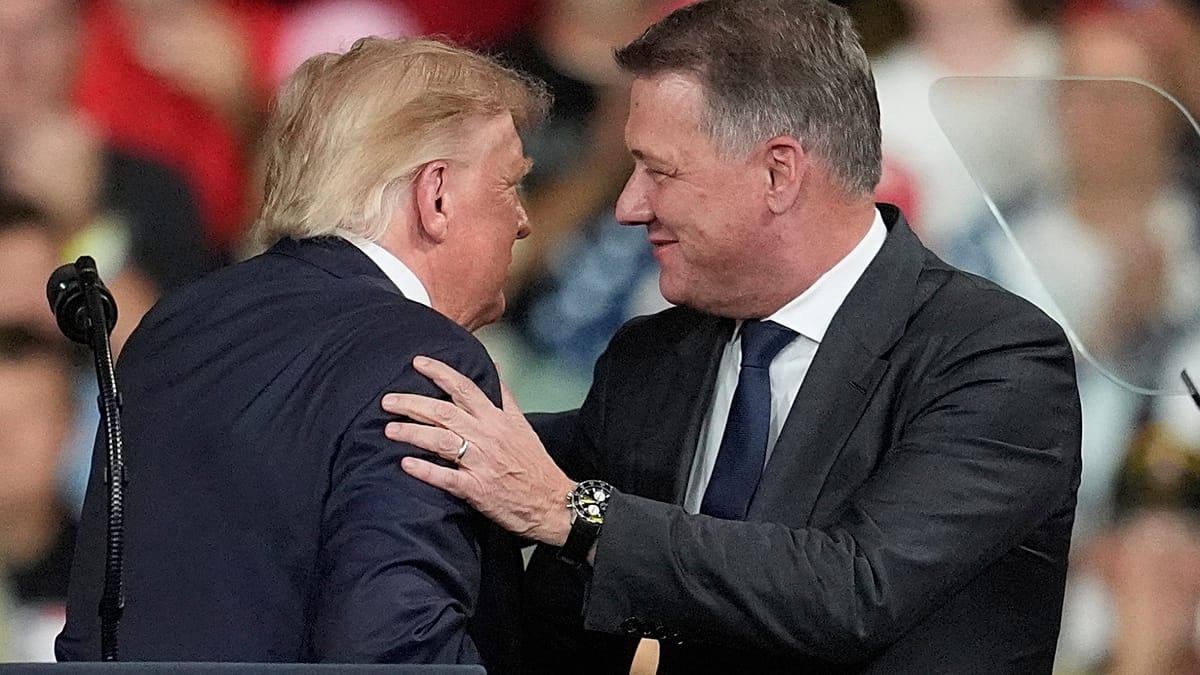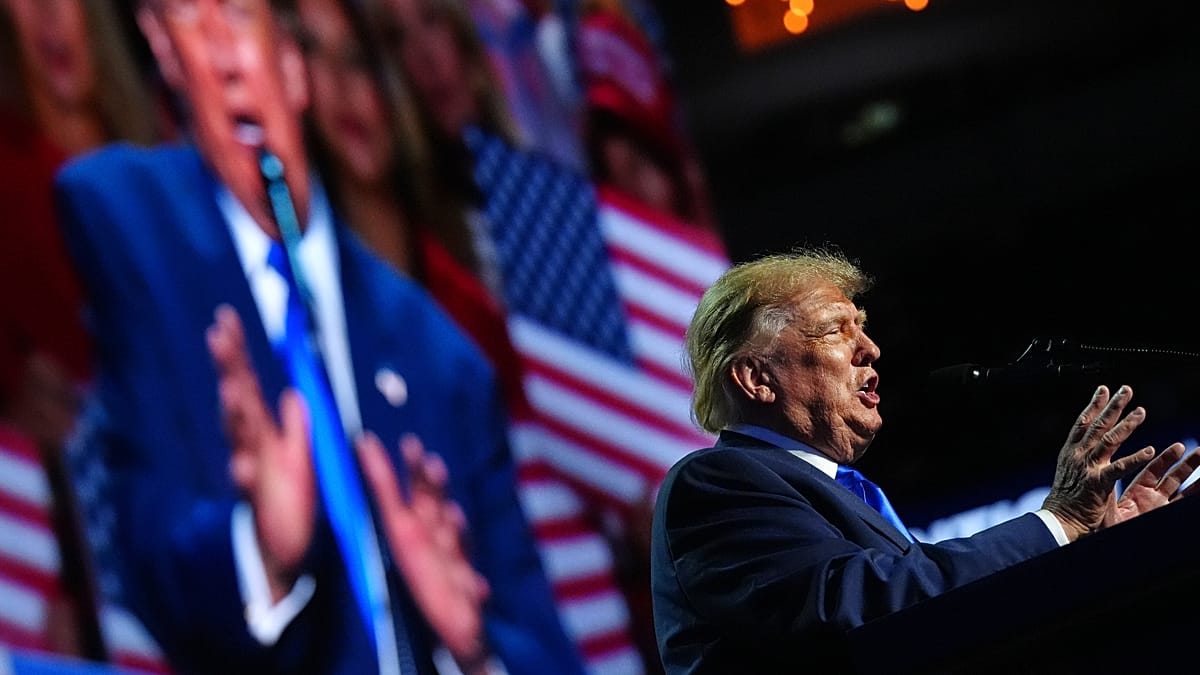
Speaking at the Republican midterm convention in Dallas, Texas, on Wednesday, Donald Trump sought to energise his base with a mix of populist economics and combative rhetoric. The former president, who remains the party's dominant figure, promised that if Republicans hold onto both chambers of Congress in the November elections, every American adult would receive a $5,000 (€4,300) payment — a proposal he dubbed the “Trump dividend.”
“So if the Republicans win, you win with us and you get $5,000,” Trump told the crowd at the American Airlines Center. The pledge, which would cost well over $1 trillion (€860bn), immediately drew scepticism from economists and even from within his own camp. Within an hour, Vice President JD Vance appeared to soften the promise, suggesting that the payments might not go to the wealthiest Americans and that they could be funded by tariff revenues — though those revenues fall far short of the required sum, especially after the Supreme Court struck down much of the president's tariff programme last year.
The proposal would require congressional approval and would add to a national debt that surpassed $40 trillion (€34.4tn) last month, while also stoking inflation concerns. Trump did not explain how the government would finance the payouts, saying only that “our country is making so much money.”
Defending the Iran war
Trump devoted much of his speech to defending the military conflict with Iran, which remains deeply unpopular with voters. He predicted victory and linked it to falling oil prices, before suggesting that the strategically vital Strait of Hormuz should be renamed after him. “Food prices and almost every other item are rapidly going down. And by the way, oil will be going down as soon as we win the war with Iran, which is taking place right now,” he said.
Yet he seemed to acknowledge the economic toll the war has taken. “We were doing great,” he said, recalling that he had told his economic advisers, “I hate to do this to you,” before explaining that he had to start the conflict because Iran was perhaps “two, maybe three weeks away from having a nuclear weapon.”
The president also echoed other Republicans at the convention in warning of a communist threat, claiming that the Democrats would turn the United States into “a communist country if they win.” He framed the midterms as a historic choice: “Your vote will decide whether our country stumbles at the starting gate of the next 250 years or surges forward and never ever looks back.”
A gamble against the polls
With opinion polls showing Trump's approval rating in the low 30s and voters increasingly angry about high prices and the war, the president is trying to defy the historical trend that sees the president's party lose seats in midterm elections. “I'm asking you to pretend that I'm on the ballot,” he told the crowd. “I'm on the ballot, I'm on the ballot — just one more time.”
The $5,000 promise is the latest in a series of unorthodox moves by Trump to shore up support. Earlier this year, he proposed renaming New Mexico as part of a name-change spree, and he has escalated a trade war with Canada, targeting alcohol and dairy. His administration has also threatened to bar Bombardier from the US market unless the Canadian firm builds locally.
European observers are watching the midterms closely, as the outcome could affect transatlantic relations on trade, security, and climate policy. Trump's protectionist measures have already strained ties with the EU, and his stance on the Iran war has raised concerns in European capitals about regional stability and oil supplies.
Whether the “Trump dividend” will resonate with voters remains uncertain. Critics note that the promise is legally dubious and fiscally reckless, but Trump's team hopes it will galvanise his base and attract undecided voters. As the November elections approach, the president's unconventional campaign tactics are likely to keep dominating headlines on both sides of the Atlantic.