Serbia goes to the polls on Sunday for snap parliamentary elections that could reshape the country's political landscape after more than a decade of unchallenged rule by Aleksandar Vučić. The vote, triggered by the dissolution of parliament in September, has evolved into a direct confrontation between the populist establishment and a grassroots student movement that emerged from tragedy.
More than 6.45 million voters are eligible to elect 250 members of the National Assembly. Eighteen electoral lists, comprising 2,418 candidates, are competing, with a 3% threshold for entry into parliament. The election was called after Vučić, who resigned as president in late September to lead his party's campaign, dissolved the assembly on September 9 at the government's request.
The political stakes extend far beyond procedural formalities. Serbia has been gripped by intense polarisation since November 1, 2024, when a concrete canopy collapsed at the railway station in Novi Sad, killing 16 people. The disaster sparked student-led protests that initially demanded accountability and the release of documents related to the station's reconstruction. Over time, the movement broadened into a wider critique of corruption, political responsibility, and the functioning of state institutions.
Throughout 2025, students organised mass rallies, university blockades, and road closures across the country. The movement, which began as a response to a specific tragedy, grew into the most formidable challenge to Vučić's rule in 14 years. In May 2025, students called for early elections, and by 2026 they had formed their own electoral list, fundamentally altering the nature of the vote.
A contest between two visions
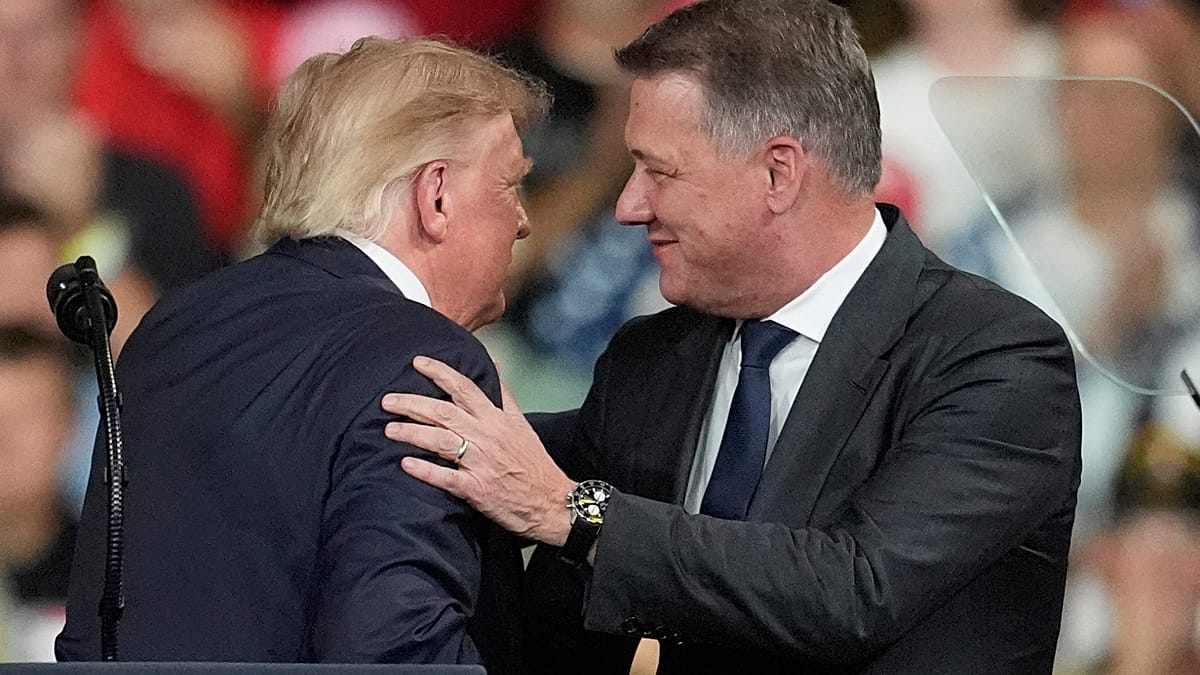
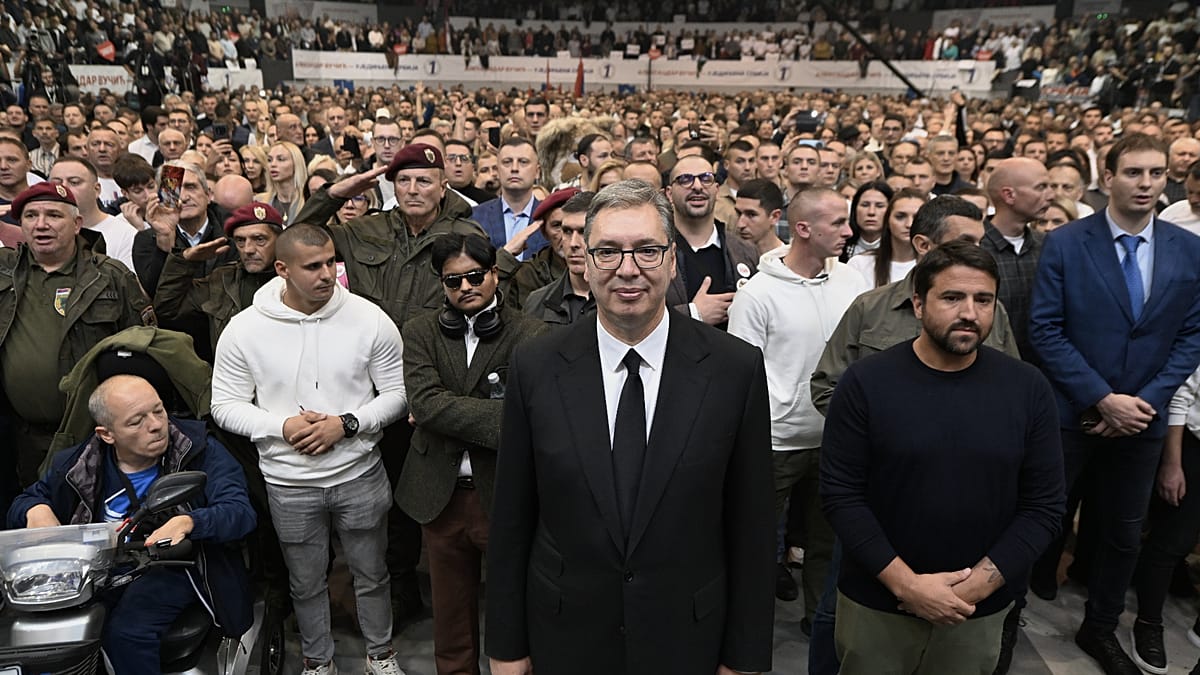
The election is now widely seen as a referendum on Vučić's political dominance and the system he has built. The largest bloc is the Serbian Progressive Party (SNS), running under the banner "Aleksandar Vučić – United Serbia." Vučić, who previously served as prime minister before becoming president, is now seeking to return to the premiership, making the vote a direct judgment on his political future.
The main challenger is the Student List, "Students Win," which is not a conventional party. Its 250 candidates were selected through student plenums and include professors, doctors, artists, and activists with little prior political experience. The list represents an attempt to translate protest energy into parliamentary power.
Other participants include the Socialist Party of Serbia, led by Ivica Dačić, under the list "Stability Factor," as well as right-wing and nationalist groups such as "Authentic Right – Miloš Jovanović – Boldly Serbian." The pro-European opposition is represented by "European Serbia," while minority parties, including the Alliance of Vojvodina Hungarians and the SDA of Sandžak, could play a pivotal role if the result is close.
The societal tensions run deep. For many protesters, the Novi Sad disaster symbolises systemic problems: corruption, opaque public procurement, and the erosion of institutional independence. The authorities, however, frame the protests as an attempt to destabilise the country, with Vučić repeatedly alleging that foreign intelligence services are financing a "colour revolution."
These competing narratives have created a stark divide. The government emphasises stability, economic development, and national sovereignty, while the student movement focuses on accountability, the rule of law, and the depoliticisation of institutions.
Compared with previous elections, the most significant shift is the decline of the traditional opposition. In the 2023 vote, the "Serbia Against Violence" coalition won around 24% of the vote and 65 seats, but subsequent fragmentation weakened its position. The student movement has absorbed much of the political energy that once belonged to these parties, simplifying the main political fault line: Vučić's SNS versus the Student List, with other parties vying for parliamentary entry and potential coalition roles.
Turnout will be a crucial factor, as will which lists clear the 3% threshold. The outcome could hinge on these technicalities, with minority parties potentially holding the balance of power. The election also takes place against a backdrop of broader European tensions, including France facing new protests and the EU seeking a reset with Hungary, as well as massive student demonstrations in Belgrade ahead of the vote.
Serbia's political trajectory is being watched closely across Europe, not least because of its EU accession aspirations and its delicate balancing act between Brussels, Moscow, and Beijing. The election result will determine whether Vučić can consolidate his grip on power or whether the student movement can usher in a new political era.