US President Donald Trump signed an interim agreement with Iran on Wednesday at the Palace of Versailles, alongside French President Emmanuel Macron, marking a tentative step toward ending the war that began on 28 February. The deal, mediated by Pakistani Prime Minister Shehbaz Sharif, calls for an immediate cessation of hostilities and the reopening of the Strait of Hormuz, a vital chokepoint for global oil and gas supplies.
Under the terms, Iran will dilute its stockpile of highly enriched uranium, while the United States will waive—but not eliminate—a range of sanctions, allowing Tehran to resume oil exports freely. The agreement sets a 60-day window for negotiations on a permanent nuclear accord, though Trump left open the possibility of resuming military action if the talks falter.
Versailles Signing Amid Secrecy
The deal's details had been shrouded in confusion for days, with US officials refusing to disclose terms even after Trump and Vice President JD Vance digitally signed it over the weekend. Trump signed a physical copy during a dinner with Macron at Versailles, a venue steeped in the history of European diplomacy. “It’s signed,” Trump told reporters as he left the dinner, following his attendance at the Group of Seven summit in Évian.
In Tehran, President Masoud Pezeshkian signed the agreement on behalf of Iran, according to state-run IRNA, which released an image of him holding the document bearing both his and Trump's signatures. The White House had planned a formal ceremony in Switzerland for Friday, but its status remains uncertain amid conflicting signals from Washington, Tehran, and Islamabad.
Key Concessions and Strategic Implications
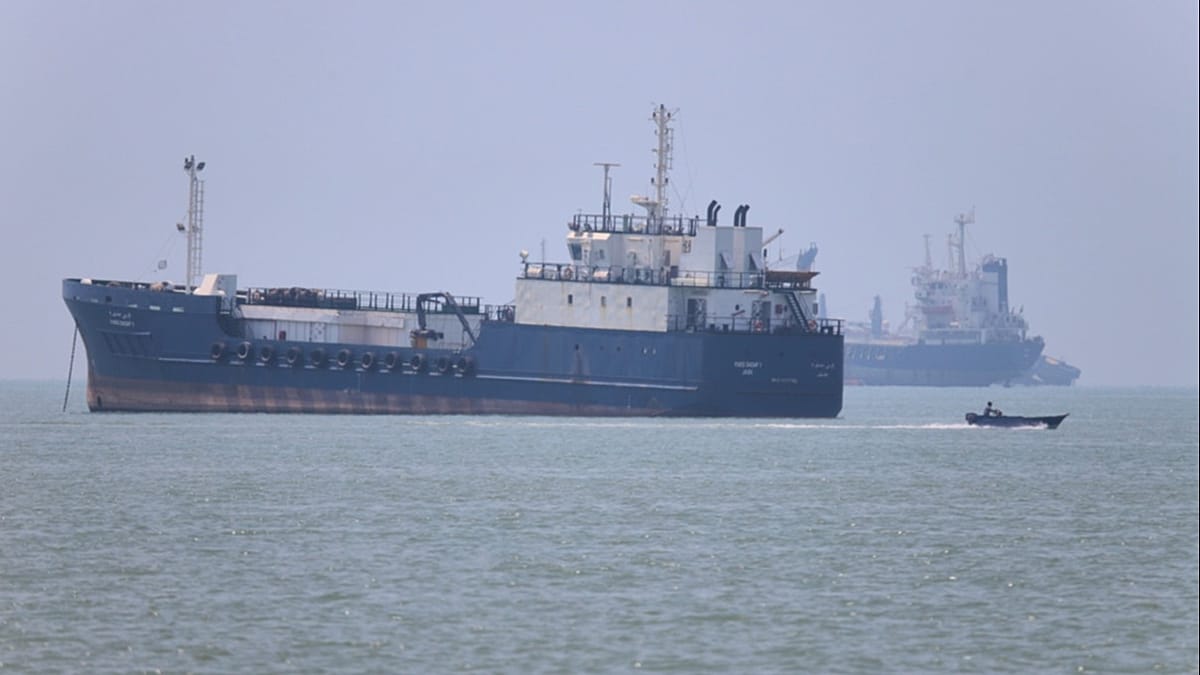
The interim deal largely restores the status quo ante bellum: an end to hostilities, renewed US-Iran talks on the nuclear programme, and the reopening of the Strait of Hormuz without tolls for two months. The strait's closure had triggered a historic global energy crisis, and its reopening will restore the flow of roughly one-fifth of the world's oil and gas supplies. However, the agreement does not preclude future fees on passage through the strait, a point that may require further negotiation.
In return, Washington will waive some sanctions, though not eliminate them entirely. The deal also affirms Lebanon's territorial integrity, a delicate issue given Israel's ongoing invasion and occupation of southern Lebanon. Israel has rejected Iranian demands for a full withdrawal, insisting on its right to “defend itself” against Hezbollah. Israeli strikes on southern Lebanon continue despite a fragile truce, complicating the broader diplomatic landscape.
Trump had launched the war with Israel on 28 February, citing the need to prevent Iran from acquiring a nuclear weapon and to curb its missile programme and support for proxy groups. The interim deal falls short of those maximalist goals, but Trump hailed it as “very strong.” In a defiant remark in Paris, he said, “It’s a memorandum of understanding, and if I don’t like it, we’ll go back to shooting at them, dropping bombs.”
European Reactions and Next Steps
European leaders, who have watched the conflict with growing alarm, are now assessing the deal's implications. The reopening of the Strait of Hormuz will ease pressure on energy markets across the continent, but the 60-day negotiating window leaves little time for a comprehensive settlement. Germany has drafted a mandate for a naval mission in the strait, reflecting ongoing legal and security concerns.
The agreement also raises questions about the future of Iran's nuclear programme. A leaked draft had suggested Iran would pledge not to pursue nuclear weapons in exchange for $300 billion in US incentives, but the current deal does not include such financial commitments. That leaked draft may still inform the final negotiations.
For now, the interim deal represents a fragile pause in a conflict that has reshaped the Middle East and tested transatlantic alliances. Whether it leads to lasting peace or merely a temporary ceasefire will depend on the next two months of diplomacy—and on whether both sides can resist the temptation to return to war.