Turkish prosecutors have requested the freezing of securities held by 108 individuals who each allegedly earned more than $2 million in trading profits during periods of suspected market manipulation, according to a prosecutorial document cited by an opposition lawmaker. The November 18 document also instructs financial institutions to monitor the individuals' asset movements, including large withdrawals, transfers, and property transactions. It remains unclear whether the freezes have been implemented.
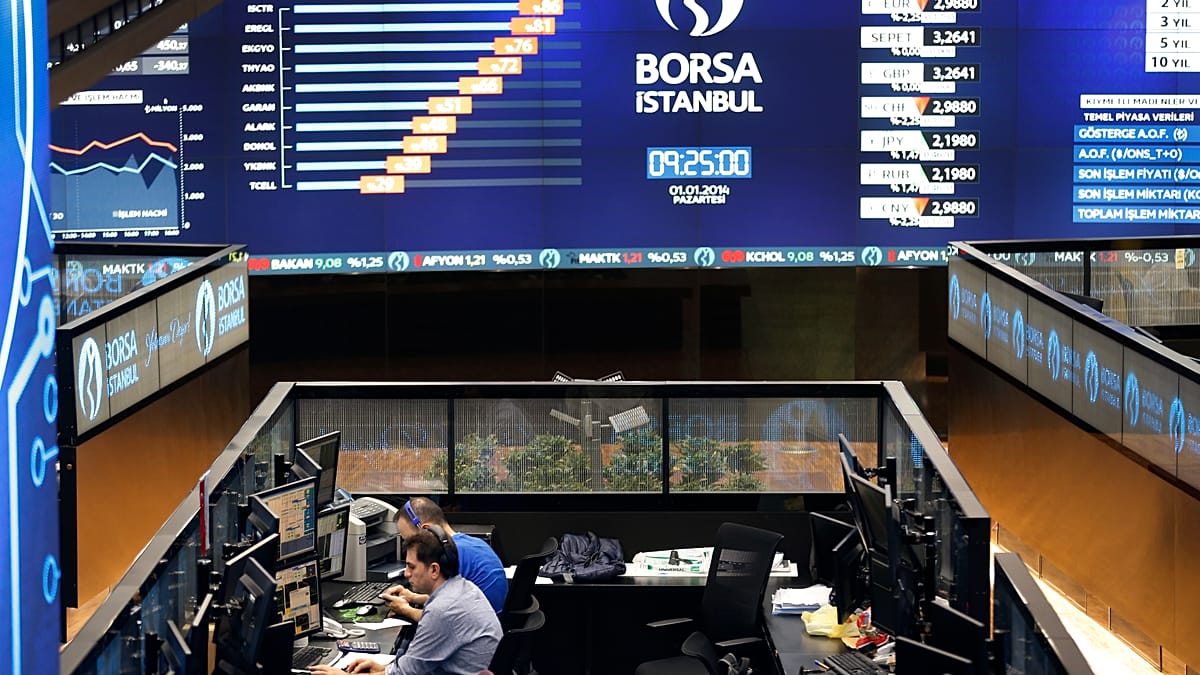
The development adds a new dimension to a financial crisis that has engulfed investment funds worth approximately $17 billion, disrupted Turkey's stock market, and raised questions about regulatory oversight and the intersection of political influence and financial markets.
How the crisis unfolded
The crisis erupted in September when several investment funds failed to meet investor withdrawal requests, exposing portfolios that had accumulated large positions in relatively illiquid stocks. On September 17, Turkey's Capital Markets Board (SPK) ordered the liquidation of 131 funds managed by seven asset-management companies. According to Reuters, the affected funds had amassed more than $20 billion in assets over the preceding three years, attracting hundreds of thousands of investors seeking returns that could outpace inflation and the depreciation of the Turkish lira.
At the center of the investigation are allegations that certain investment funds were used to inflate the prices of selected shares through concentrated or coordinated trading. Under such a scheme, repeated purchases can push up the prices of stocks with limited freely available shares. As market prices rise, funds holding those securities report substantial paper gains, potentially attracting additional investors. The process can become self-reinforcing until investors attempt to withdraw their money or regulators intervene. If large shareholders sell before prices collapse, they may realize substantial profits while remaining investors bear the consequences.
Political connections under scrutiny
The newly reported requests for asset freezes are significant because they extend attention beyond the executives directly responsible for managing the troubled funds. The list described by Şık reportedly includes individuals with political and bureaucratic connections, suggesting investigators are examining a potentially broader network of beneficiaries. The document reportedly stated that no action had previously been taken against these individuals and that prosecutors had subsequently requested relevant institutions to freeze securities held in their accounts.
Although the document did not appear to formally identify all 108 individuals as criminal suspects, Şık said the list included people with connections to the state bureaucracy, political circles, corporate management, and the financial industry. The reported measures raise a central question in the investigation: whether the crisis was caused primarily by excessive financial risk-taking or whether some market participants benefited from coordinated trading practices while ordinary investors were exposed to potentially substantial losses.
The case has broader implications for Turkey's financial governance and its attractiveness to international investors. The country has faced repeated currency crises and high inflation, and the lira's depreciation has made alternative investments like these funds appealing. The scandal has also fueled concerns about the rule of law and the independence of regulatory bodies, issues that resonate beyond Turkey's borders. As European investors and policymakers watch closely, the outcome of this investigation could influence perceptions of Turkey's market integrity and its alignment with European financial standards.
For now, the focus remains on the 108 individuals and the institutions that held their assets. Whether the freezes are enforced and whether criminal charges follow will be key indicators of the investigation's depth and credibility. The case also echoes other instances in the region where financial misconduct has intersected with political power, such as the EU prosecutors' probe into Spanish rail funds. As Turkey navigates this crisis, the world will be watching to see if justice is served and if the markets can regain trust.