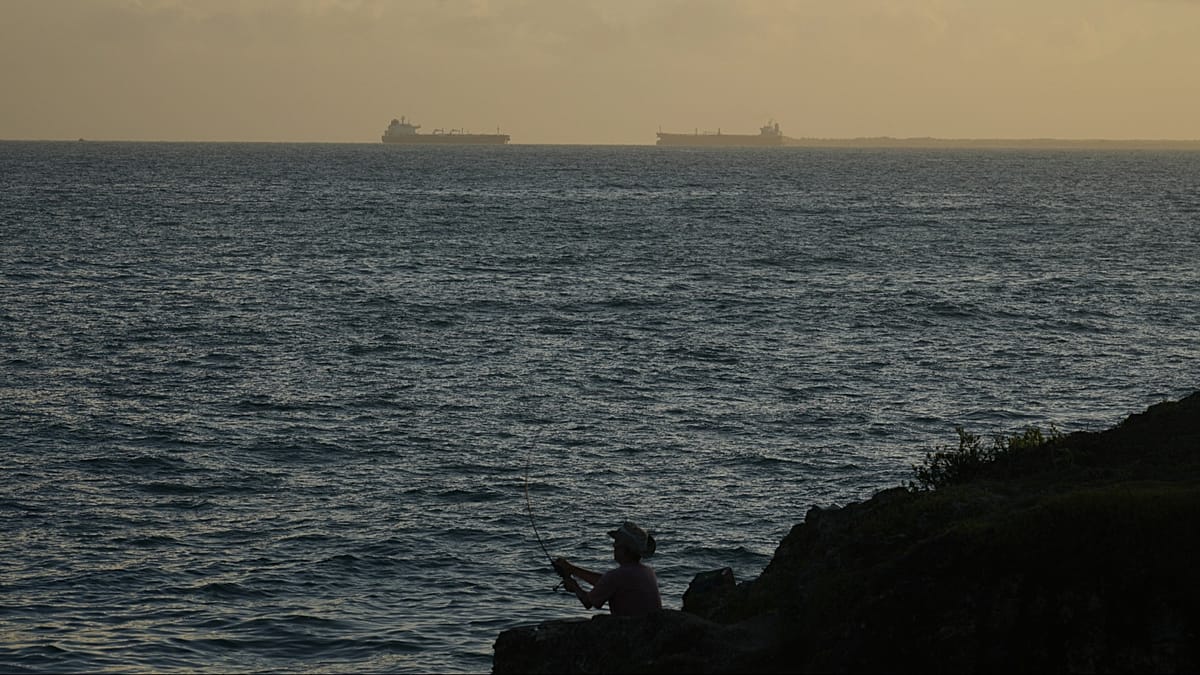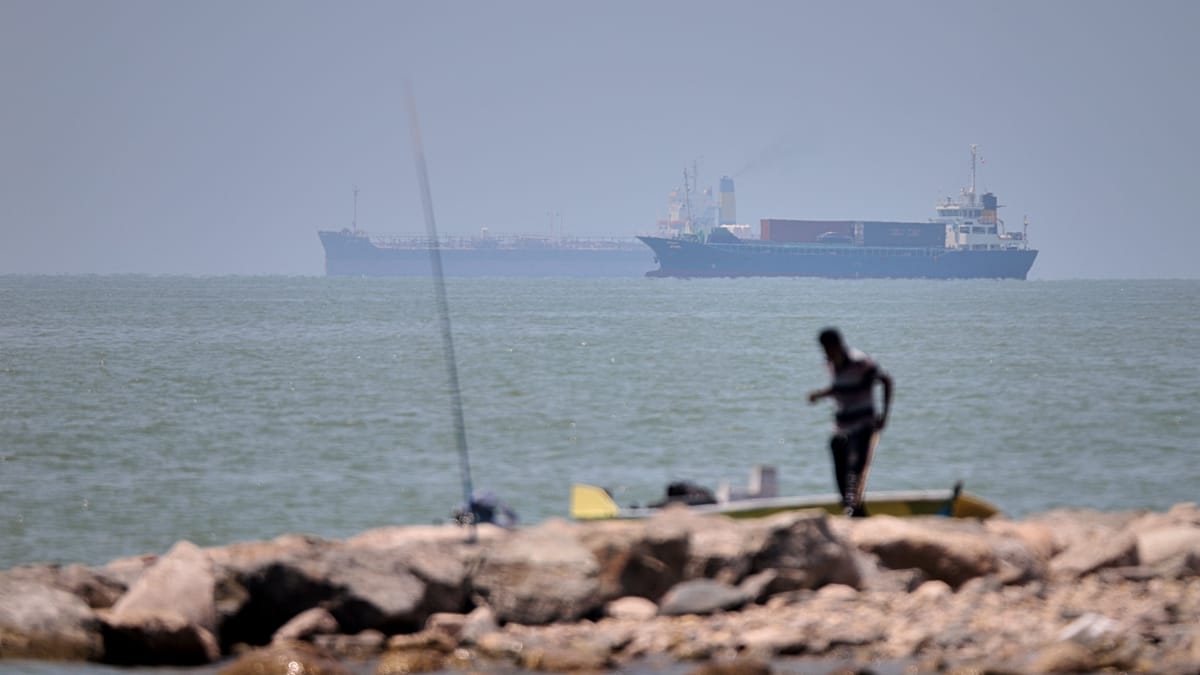
The United Kingdom Maritime Trade Operations (UKMTO) agency has raised its threat level in the Strait of Hormuz to 'substantial' following a series of attacks on commercial vessels in the critical waterway. The move comes after the 'Master of Tanker' reported being struck by an unidentified projectile on Saturday, sustaining damage to its bridge. The crew is reported safe, and no environmental damage has been detected so far.
The Strait of Hormuz, a narrow passage between Oman and Iran, is one of the world's busiest energy transit chokepoints, through which roughly a fifth of global oil consumption passes daily. The UKMTO has warned mariners of the presence of sea mines and advised them to expect naval presence as mine clearance operations continue. Congestion through transit routes is also anticipated.
Escalation After US Strikes
The incident follows US military strikes on Iranian missile and drone storage locations and coastal radar sites, which Washington said were in response to an Iranian drone attack on the Singapore-flagged cargo ship M/V Ever Lovely as it exited the Strait along the Omani coast. US Central Command (CENTCOM) confirmed the strikes on Friday.
Tehran has accused Washington of violating a provisional ceasefire agreement. Under the terms of a recently agreed 'memorandum of understanding', the US was to remove its naval blockade of Iran while Tehran reopened the Strait. However, both sides have clashed over control of the passage. Ebrahim Azizi, head of the Iranian parliament's national security commission, stated that the US strikes showed President Trump had 'no commitment to the principles of negotiation or a ceasefire'. He added that 'this reckless violation of the ceasefire will, as always, lead to retreat and regret on their part'.
In retaliation, the Iranian Revolutionary Guards Corps (IRGC) announced on Saturday that its forces had struck US military positions in the region. Bahrain later reported being targeted by 'a number' of Iranian drones, accusing Tehran of 'undermining peace efforts'.
European Implications
For European capitals, the Strait of Hormuz is a vital artery. The European Union imports roughly a quarter of its crude oil from the Middle East, much of it transiting this chokepoint. Any sustained disruption could send energy prices soaring, compounding inflationary pressures already felt across the continent. The crisis also underscores Europe's vulnerability to geopolitical shocks beyond its borders, as highlighted by Greenpeace's criticism of the EU's 'deep incoherence' on energy policy.
European governments are watching the situation closely. France, Germany, and the United Kingdom have previously called for de-escalation in the region. The European External Action Service has not yet issued a formal statement, but diplomatic sources indicate that EU member states are coordinating their responses. The crisis also raises questions about the effectiveness of European naval missions, such as the French Navy's recent interception of a Russian shadow fleet tanker off Sicily, as reported by President Macron.
The broader context includes ongoing tensions between Washington and Tehran, which have repeatedly flared since the US withdrawal from the nuclear deal in 2018. European powers have sought to maintain the agreement, but the latest escalation threatens to unravel diplomatic efforts. The situation is further complicated by the IRGC's rejection of Oman's proposed Hormuz corridor, which aimed to guarantee safe passage for commercial shipping.
For European businesses and consumers, the immediate risk is higher oil prices. Benchmark Brent crude has already edged up in response to the news. European airlines and shipping companies are also bracing for potential disruptions to supply chains. The European Commission is reportedly reviewing contingency plans, including the possibility of releasing strategic oil reserves.
As the standoff continues, the UKMTO's threat level upgrade serves as a stark reminder of the fragility of global energy routes. European policymakers will need to balance support for their allies with the imperative to avoid a broader conflict that could have severe economic consequences for the continent.