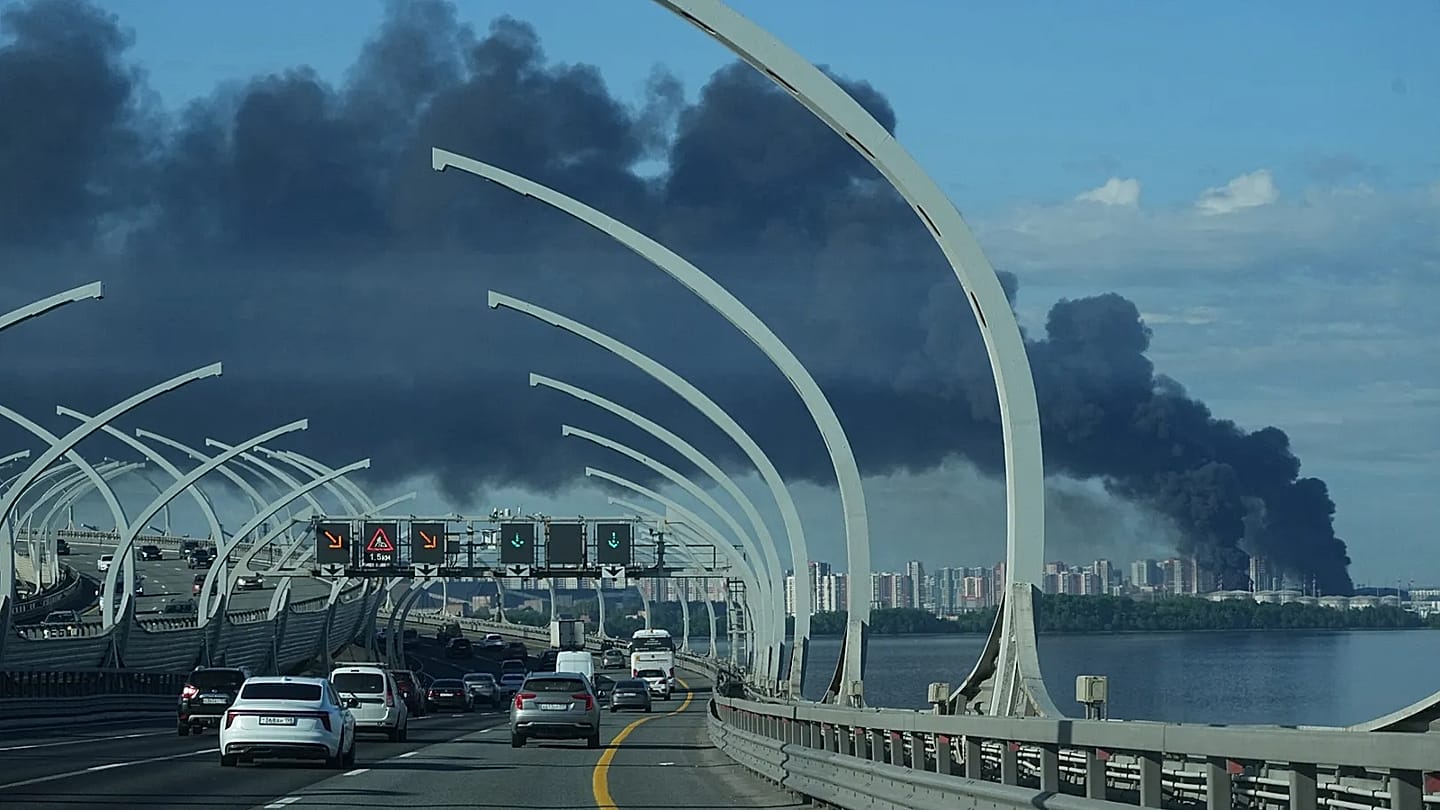
Ukraine has embarked on a 40-day military operation designed to intensify pressure on the Kremlin to end its war. The campaign, which began after several weeks of strikes against Russian energy and military infrastructure in occupied Crimea, represents a strategic shift toward sustained offensive action.
A New Phase in the Conflict
According to Ukrainian officials, the operation targets key Russian logistical and supply nodes in Crimea, including fuel depots, ammunition storage sites, and command centers. The goal is to degrade Russia's ability to sustain its military operations in southern and eastern Ukraine, forcing Moscow to reconsider its war aims.
"This is not about a single dramatic strike but about cumulative pressure over time," said a senior Ukrainian defense source. "We are demonstrating that Russia's occupation of Crimea is not sustainable."
The operation comes as European allies continue to bolster Ukraine's defensive and offensive capabilities. The EU recently disbursed the first tranche of a €90 billion loan to Kyiv, part of a broader package of financial and military support. Meanwhile, the EU released an additional €3 billion loan as diplomatic efforts with Iran faltered.
Crimea as a Strategic Pressure Point
Crimea has long been a critical hub for Russia's war effort, serving as a staging ground for naval operations in the Black Sea and a logistics corridor for forces in Kherson and Zaporizhzhia. Ukrainian strikes on the peninsula have intensified since the summer, targeting airfields, naval bases, and energy infrastructure.
The 40-day timeline suggests a deliberate effort to synchronize military pressure with diplomatic and economic measures. Ukrainian President Volodymyr Zelenskyy has repeatedly called for a comprehensive peace framework, but insists that Russia must first demonstrate a genuine willingness to withdraw.
"We will not accept frozen conflicts or temporary ceasefires that allow Russia to rearm," Zelenskyy said in a recent address. "The only acceptable outcome is a full restoration of Ukraine's territorial integrity."
The operation also coincides with shifting political dynamics in Europe. In the UK, Foreign Secretary David Lammy has affirmed that British foreign policy will maintain its course on Ukraine under Prime Minister Keir Starmer. In France, President Emmanuel Macron recently announced that the French navy intercepted a Russian shadow fleet tanker off Sicily, underscoring ongoing efforts to enforce sanctions.
European Reactions and Implications
European capitals have reacted cautiously to the announcement. While there is broad support for Ukraine's right to self-defense, some officials worry about escalation risks. The EU has so far avoided direct involvement in targeting decisions, but member states like Poland and the Baltic nations have been vocal in their backing.
"Ukraine has the right to strike legitimate military targets anywhere on its territory, including Crimea," said a spokesperson for the Polish Ministry of Foreign Affairs. "We support their efforts to end the war on just terms."
However, the operation also raises questions about the sustainability of Western support. A prolonged campaign could test the patience of European publics, especially as energy prices and inflation remain concerns. The Gdańsk Recovery Conference earlier this month highlighted some of the tensions in EU-Ukraine relations, particularly around trade and reconstruction.
Despite these challenges, Ukrainian officials remain confident. "We have the tools, the will, and the international backing to see this through," said the defense source. "The next 40 days will be decisive."