Ukraine executed a significant drone offensive against Russian infrastructure early this week, targeting naval and energy facilities in western Russia. President Volodymyr Zelensky confirmed he authorized the operation, declaring in a statement that "it is time to end this war" and that the strikes were intended to degrade Russia's capacity to continue its aggression.
The attack, one of the largest of its kind, focused on sites including an oil terminal near St. Petersburg and naval assets in the Black Sea region. Ukrainian officials described the operation as a strategic move to disrupt Russian logistics and energy supplies, which have been critical to sustaining Moscow's military campaign.
Putin's Meeting with Schröder Raises Eyebrows
The drone barrage unfolded as Russian President Vladimir Putin met with former German Chancellor Gerhard Schröder in Moscow. Schröder, a long-time Putin ally who has faced criticism for his close ties to the Kremlin, discussed potential diplomatic avenues, though no concrete outcomes were announced. The meeting drew sharp reactions from European capitals, with many viewing it as an attempt by Moscow to exploit divisions within Europe.
Germany's current government, led by Chancellor Olaf Scholz, distanced itself from Schröder's visit, reiterating that Berlin's position on Ukraine remains unchanged. The timing of the meeting—coinciding with a major Ukrainian offensive—underscores the ongoing tension between military escalation and diplomatic overtures.
Zelensky's call to end the war comes amid a backdrop of intensified fighting. In recent weeks, Russia has launched repeated drone and missile strikes on Ukrainian cities, including a devastating barrage on Kharkiv's residential areas. Ukraine's latest drone operation appears calibrated to signal that Kyiv retains the capability to strike deep into Russian territory, despite Western concerns about escalation.
The attack also targeted energy infrastructure, echoing Russia's own strategy of hitting Ukraine's power grid. Ukrainian officials argue that such strikes are necessary to pressure Moscow into negotiations, though critics warn they risk further entrenching the conflict.
European leaders have reacted cautiously. The EU's foreign policy chief, Josep Borrell, reiterated the bloc's support for Ukraine's right to self-defense but stopped short of endorsing strikes on Russian soil. Meanwhile, the EU's Ukraine diplomacy faces scrutiny as MEPs debate the limits of military aid.
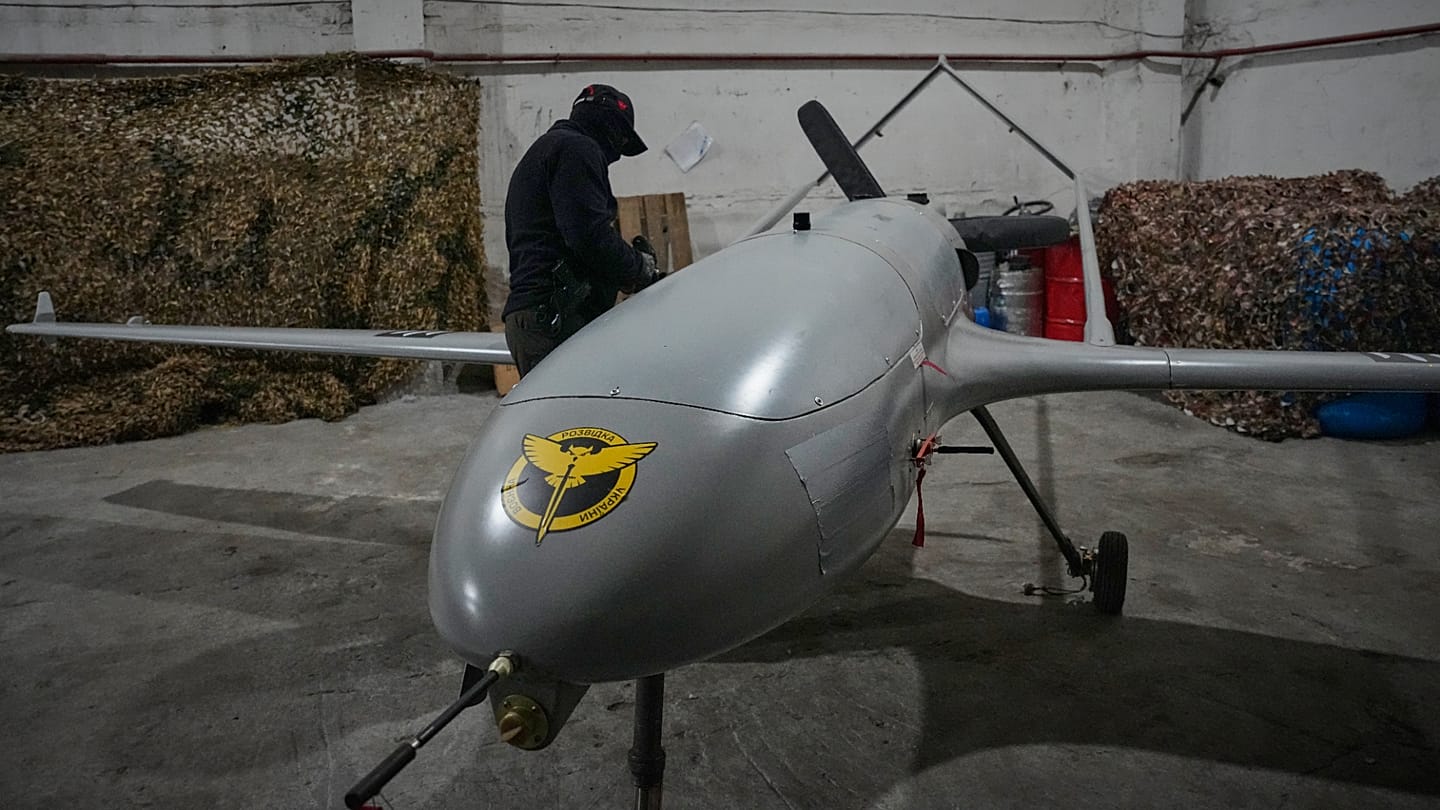
On the ground, the war shows no signs of abating. Ukraine's drone program has evolved rapidly, with Kyiv producing long-range unmanned systems capable of hitting targets hundreds of kilometers away. This development has shifted the battlefield calculus, forcing Russia to divert resources to protect its rear areas.
For European security, the conflict's trajectory remains a central concern. The Baltic states, already grappling with radar shortages amid drone threats, have called for accelerated defense cooperation. The broader question of how to balance military support for Ukraine with the risk of escalation continues to divide EU member states.
As Putin and Schröder met behind closed doors, the sound of Ukrainian drones over Russian territory served as a stark reminder that diplomacy remains elusive. Zelensky's message—that the war must end—echoes across Europe, but the path to peace appears as uncertain as ever.