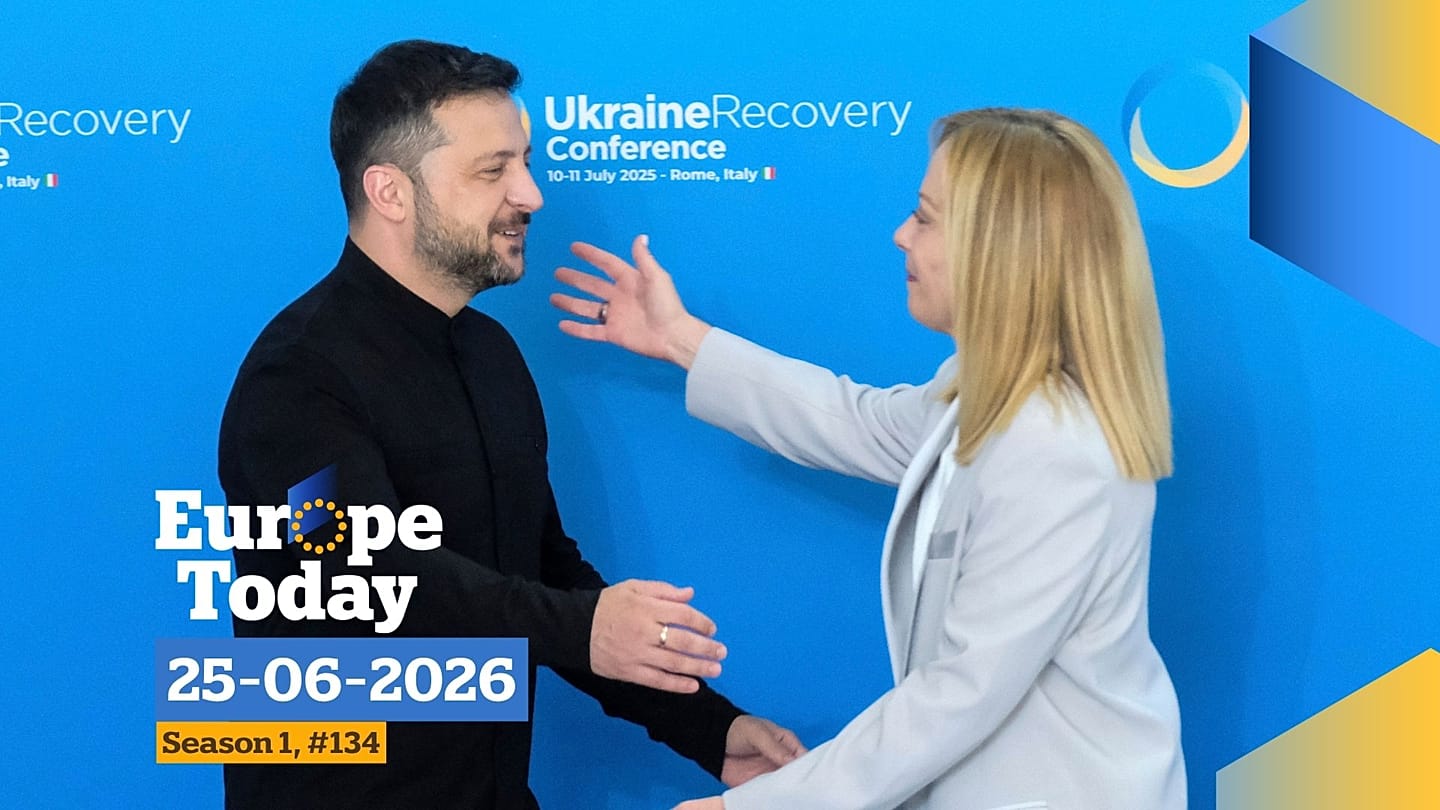
The Ukraine Recovery Conference 2026 begins today in Gdańsk, Poland, as Kyiv intensifies its push for concrete agreements on defence capabilities, energy security, and economic reconstruction. The gathering, which brings together government officials, business leaders, and international organisations, marks a critical moment for Ukraine’s long-term recovery strategy amid the ongoing war with Russia.
Ukrainian President Volodymyr Zelenskyy is expected to lead negotiations for a series of bilateral deals with Poland, focusing on joint defence production, energy infrastructure repairs, and investment guarantees. Poland, a staunch ally of Ukraine since the full-scale invasion began in 2022, has become a key logistical hub for Western military aid and a transit route for Ukrainian exports. However, recent tensions over agricultural imports and historical grievances have strained the relationship, making this conference a test of diplomatic resilience.
The conference also comes as Poland-Ukraine relations face renewed scrutiny, with Warsaw pressing Kyiv to resolve disputes over grain exports and trucking permits. Despite these frictions, both sides have signalled a willingness to compartmentalise disagreements and focus on strategic cooperation. Poland’s Prime Minister Donald Tusk is scheduled to address the conference, underscoring the importance of unity in the face of Russian aggression.
Macron and Meloni: A Franco-Italian Summit on the Riviera
While the Gdańsk conference unfolds, French President Emmanuel Macron is hosting Italian Prime Minister Giorgia Meloni at the Élysée Palace’s summer retreat on the French Riviera. The summit, billed as a working meeting, is expected to cover European defence policy, migration management, and the bloc’s competitiveness ahead of the next EU budget negotiations.
Macron and Meloni, despite belonging to different political families—Macron’s centrist Renaissance party and Meloni’s right-wing Brothers of Italy—have found common ground on several issues. Both leaders advocate for a more assertive European defence posture, with Macron pushing for strategic autonomy and Meloni supporting increased NATO spending. Their discussions are likely to touch on the upcoming NATO summit in July and the need to sustain military aid to Ukraine.
Migration is another key agenda item. Italy has been at the forefront of Mediterranean arrivals, and Meloni has sought EU support for external border controls and deals with North African countries. Macron, while more cautious on domestic migration policy, has backed EU-level initiatives to stem irregular flows. The two leaders are expected to issue a joint statement reaffirming their commitment to the EU’s Migration and Asylum Pact.
The timing of the summit is notable, as the EU diplomatic service has just appointed new leadership with a defence focus, signalling a shift toward greater security integration. Macron and Meloni are likely to discuss how to leverage this new structure to accelerate joint defence projects, including the European Sky Shield Initiative and the European Defence Fund.
Energy and Economic Cooperation: A Transatlantic Dimension
In Gdańsk, energy cooperation is a central theme. Ukraine’s energy grid has been severely damaged by Russian strikes, and the country is seeking investment in decentralised renewable energy systems, as well as repairs to its nuclear and thermal plants. Poland, which has been expanding its own renewable capacity, could serve as a model and a partner. The conference will also explore the potential for Ukraine to export green hydrogen to the EU once the war ends.
Economic reconstruction remains a daunting challenge. The World Bank estimates Ukraine’s reconstruction needs at over $500 billion. The conference aims to match Ukrainian project proposals with international investors, with a focus on transparency and anti-corruption safeguards. The EU has pledged a multi-year support package, but disbursement has been slow due to bureaucratic hurdles and concerns over graft.
Meanwhile, twelve EU member states are pushing for post-2030 green funding to ease the energy transition, a move that could benefit Ukraine’s integration into the European energy market. The conference will also address the integration of Ukraine’s energy system with the EU’s, a process that began in 2022 with the emergency synchronisation of Ukraine’s grid with the Continental European Network.
Broader European Context
The dual diplomatic events in Gdańsk and the French Riviera underscore the multifaceted nature of Europe’s response to the war in Ukraine. While military aid and sanctions have dominated headlines, the recovery conference highlights the long-term economic and energy dimensions of the conflict. Similarly, the Macron-Meloni summit reflects the ongoing debate within the EU about the balance between national sovereignty and collective defence.
As the war enters its fourth year, European leaders are increasingly focused on what comes next. The recent meeting of Europe’s top military powers in Berlin set the stage for the NATO summit, where Ukraine’s membership prospects and security guarantees will be debated. The Gdańsk conference and the Riviera summit are part of a broader diplomatic mosaic that will shape Europe’s security architecture for years to come.
For Ukraine, the stakes are existential. For Europe, the challenge is to maintain unity and resolve while preparing for a post-war order that must be both secure and prosperous. The outcomes of these meetings will be closely watched in Brussels, Washington, and Moscow.