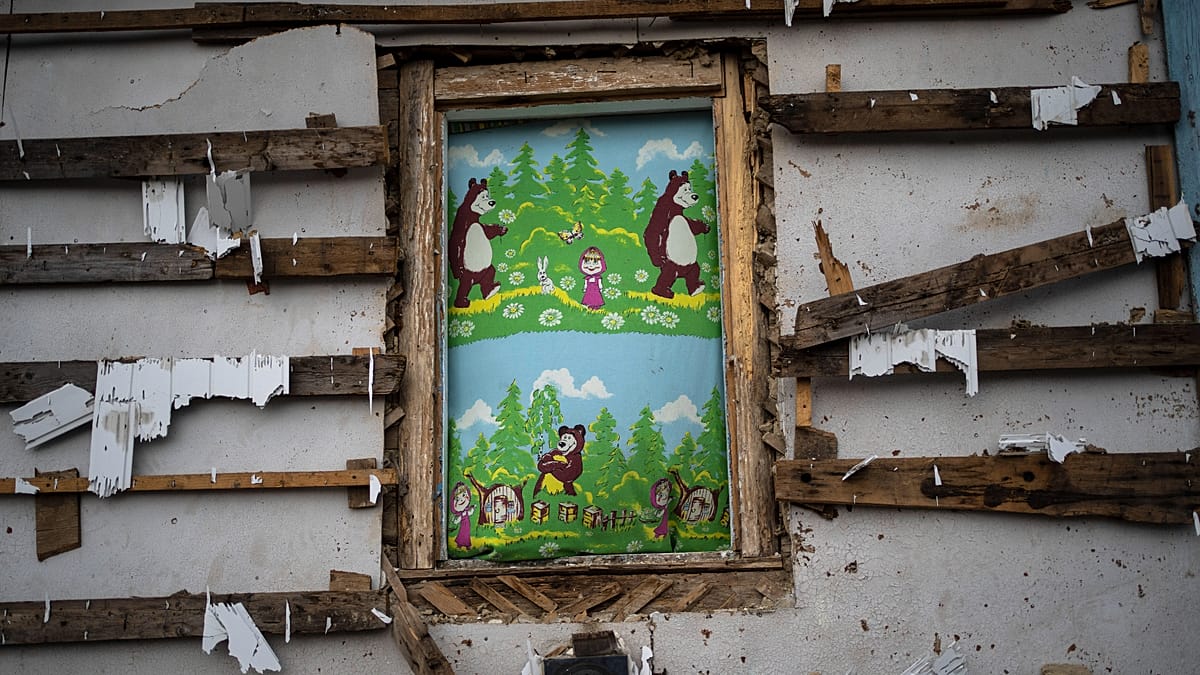
Ukraine has placed sanctions on the producers and distributors of Masha and the Bear, one of Russia's most successful cultural exports, accusing the children's cartoon of embedding pro-Kremlin messaging within its episodes. The measures, signed by President Volodymyr Zelenskyy, are part of a broader sanctions package targeting Russia's military-industrial complex and officials linked to the war effort.
The sanctions list includes five Russian citizens and four organisations, notably Animaccord, the studio behind the series, along with its founder and several key creators. Kyiv's presidential office stated that the programme “spreads pro-Russian narratives disguised as children's content,” calling it a threat to national security.
The restrictions include asset freezes, bans on commercial activity, and limits on the use and distribution of copyrighted material within Ukraine. This could lead to the show being restricted or removed from platforms like YouTube across the country.
A global phenomenon under scrutiny
First aired in 2009, Masha and the Bear follows the adventures of a spirited little girl and a retired circus bear in a forest. Loosely based on a Russian folk tale, the series has been translated into dozens of languages and amassed billions of views on YouTube, with the episode “Recipe for Disaster” alone surpassing 4.6 billion views.
Its immense popularity has drawn attention to the use of Soviet and Russian military imagery in episodes aimed at preschoolers. In one episode, Masha wears a hat associated with the NKVD, the Soviet secret police that ran the gulag system under Stalin. In another, she appears in a tank-crew helmet and a Soviet-era uniform.
Ukrainian authorities have long argued that such imagery normalises Soviet symbols among young audiences. Concerns predate Russia's full-scale invasion in 2022; in 2017, Ukraine's State Film Agency considered banning the show over similar allegations. The issue resurfaced in August 2025 when Masha and the Bear ranked as the most popular children's YouTube channel among Ukrainian viewers, prompting the National Police to call for sanctions two months later.
Criticism spreads beyond Ukraine
The debate has now reached other European countries. Earlier this summer, more than 50 British MPs wrote to UK Culture Secretary Lisa Nandy, urging streaming platforms to remove the cartoon. They pointed to episodes featuring Masha in military-style clothing, arguing that the content was “actively normalising Soviet military iconography for a global audience of young children.”
Animaccord has strongly denied the allegations, insisting that the show is purely entertainment and not a vehicle for propaganda. The Kremlin, meanwhile, dismissed Kyiv's decision as “showing the ugliness of the Kyiv regime,” according to spokesperson Dmitry Peskov.
The sanctions come amid heightened tensions across Europe, with Russian drone strikes near the Ukraine-Moldova border and NATO scrambling jets after a drone crash in Romania. Ukraine's broader sanctions strategy also targets entities linked to Russia's drone warfare, reflecting a wider effort to isolate Moscow economically and culturally.
As the conflict continues, the cultural front has become another battleground. Whether Masha and the Bear will be pulled from Ukrainian screens remains to be seen, but the move signals Kyiv's determination to challenge Russian influence in every sphere, including the minds of its youngest citizens.