The United Nations refugee agency, UNHCR, has issued a stark warning: nearly 2.4 million refugees will require resettlement in 2027, yet the number of countries offering safe haven is shrinking. In its annual Projected Global Resettlement Needs report, released Tuesday in Geneva, the agency said 2.37 million people from 43 countries of origin, currently living in 76 asylum countries, cannot safely return home and face ongoing risks in their host nations.
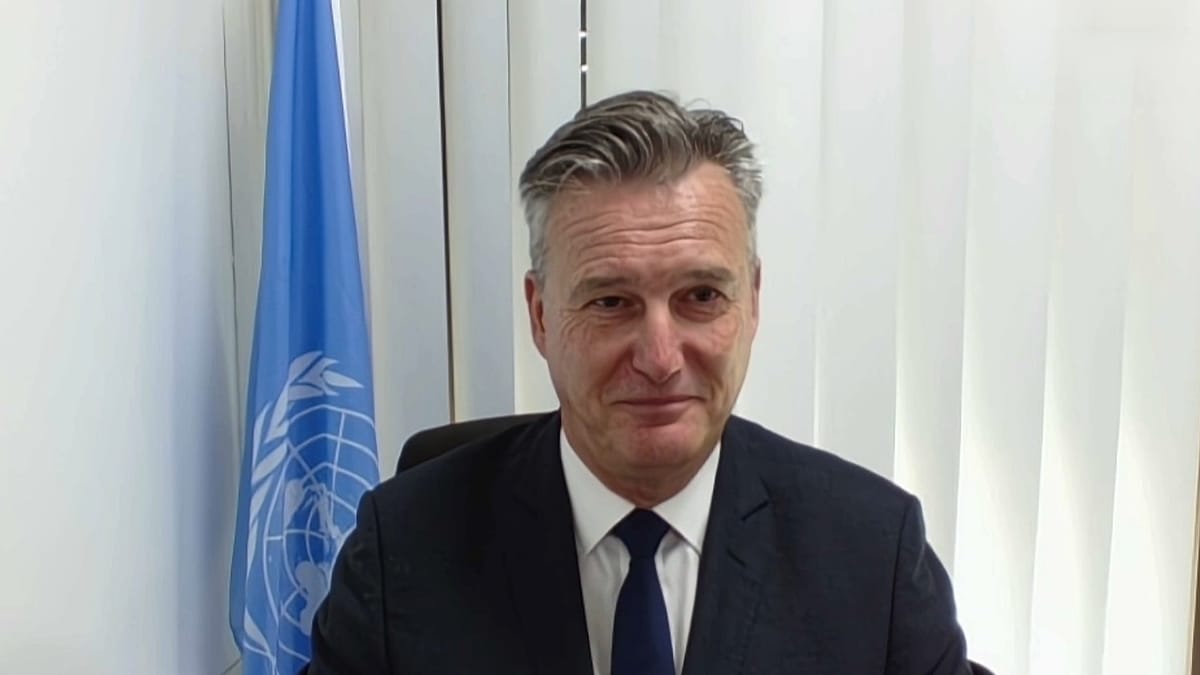
Jackie Keegan, who leads UNHCR's durable solutions and field protection support service, told journalists that expanding resettlement is both urgent and achievable. “Increased quotas, bringing more countries on board, and accelerating processing will ensure this life-saving tool reaches more of those in need,” she said.
Afghan Refugees Remain the Largest Group
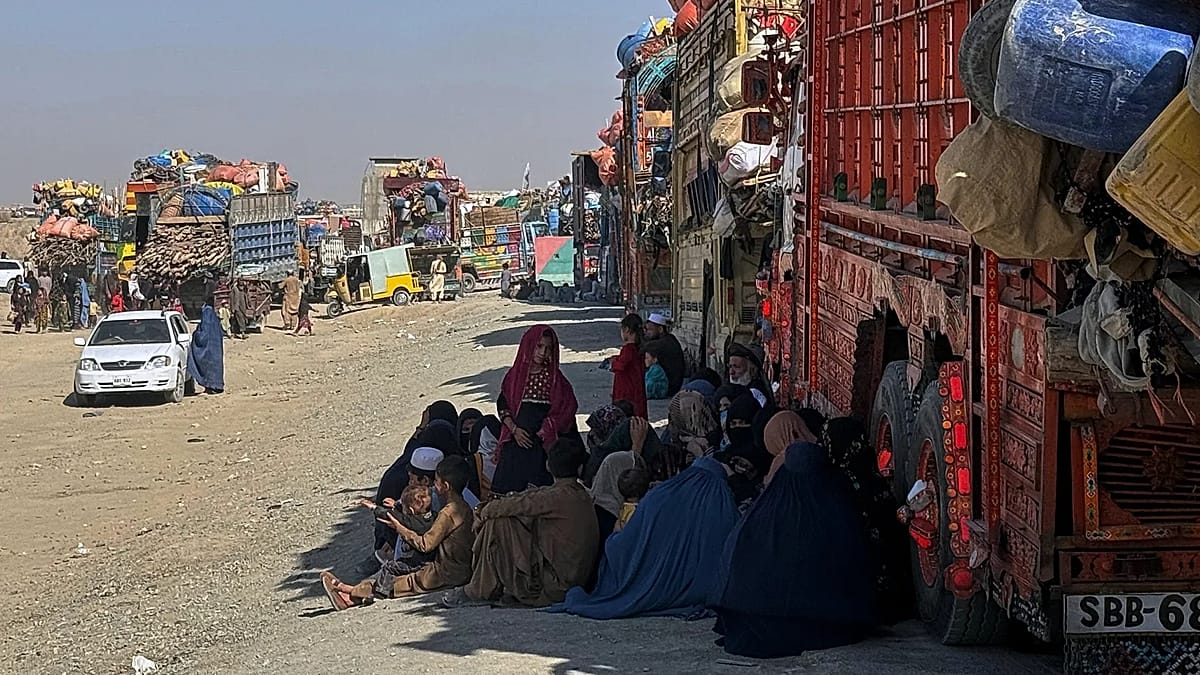
Afghans constitute the single largest population in need of resettlement, followed by people from South Sudan, Sudan, Syria, and Rohingya refugees from Myanmar, many of whom live in sprawling camps in Bangladesh. The overall figure of 2.37 million represents a 6% decline from last year's projection. Keegan attributed this partly to Afghans returning from Iran and Pakistan “under adverse circumstances” and the overthrow of Syrian President Bashar al-Assad in December 2024, which opened the door for voluntary returns.
Despite the slight decrease in projected need, the capacity to resettle refugees has collapsed. In 2025, only around 37,000 refugees were resettled through UNHCR-assisted programmes—a dramatic drop from 116,000 in 2024. The United States, historically the world's largest resettlement country, slashed its refugee admissions after President Donald Trump returned to the White House last year. But Keegan stressed that the problem is broader: “It's not just the US. Other long-term resettlement countries have either dropped their quota or have suspended.”
European nations, which have traditionally been key players in resettlement, are also tightening their policies. Several EU member states, including Germany and France, have reduced their annual intake amid domestic political pressures and debates over integration. The European Commission has called for a more coordinated approach, but national governments remain cautious. The IMF's recent warnings about EU fiscal rules add another layer of complexity, as governments weigh humanitarian commitments against budget constraints.
The UNHCR report underscores that resettlement is not just a humanitarian imperative but a strategic one. Without it, refugees remain trapped in precarious situations, often in countries already struggling with economic instability or conflict. For Europe, which faces its own demographic challenges and labour shortages, a well-managed resettlement programme could offer mutual benefits—if political will can be mustered.
Keegan's call for more countries to join resettlement efforts echoes broader UN appeals. Currently, only a handful of nations—including Canada, Australia, and a few European states—have formal resettlement programmes. The agency is urging countries like Poland, Italy, and Spain to step up, as well as non-EU states such as Norway and Switzerland. The ongoing debate in Brussels about EU diplomatic service reform could also shape how the bloc coordinates its refugee policies externally.
The situation is particularly acute for Rohingya refugees in Bangladesh, where overcrowded camps and limited prospects for return to Myanmar have left hundreds of thousands in limbo. Similarly, Sudanese refugees fleeing the civil war that erupted in 2023 face a bleak future in neighbouring countries like Chad and South Sudan. For these populations, resettlement is often the only lifeline.
As the 2027 deadline approaches, the gap between need and capacity is widening. The UNHCR's report serves as a sobering reminder that without a collective European and global response, millions will remain in danger. The question now is whether political leaders will heed the warning—or let the window of opportunity close.