The World Meteorological Organisation (WMO) has issued a stark warning that the current El Niño is set to strengthen into a “very strong” event, with near-certain persistence until February. The UN agency said the phenomenon, which has already begun to reshape weather patterns across the globe, will peak towards the end of this year, but its effects will continue to reverberate well into 2027.
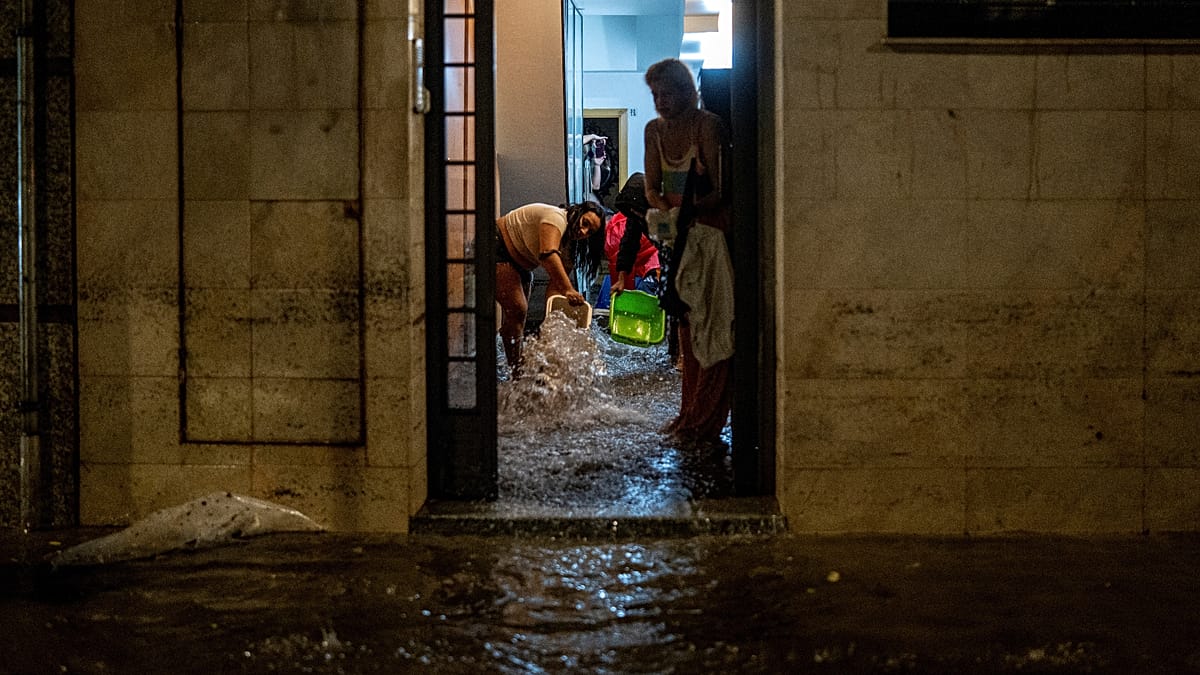
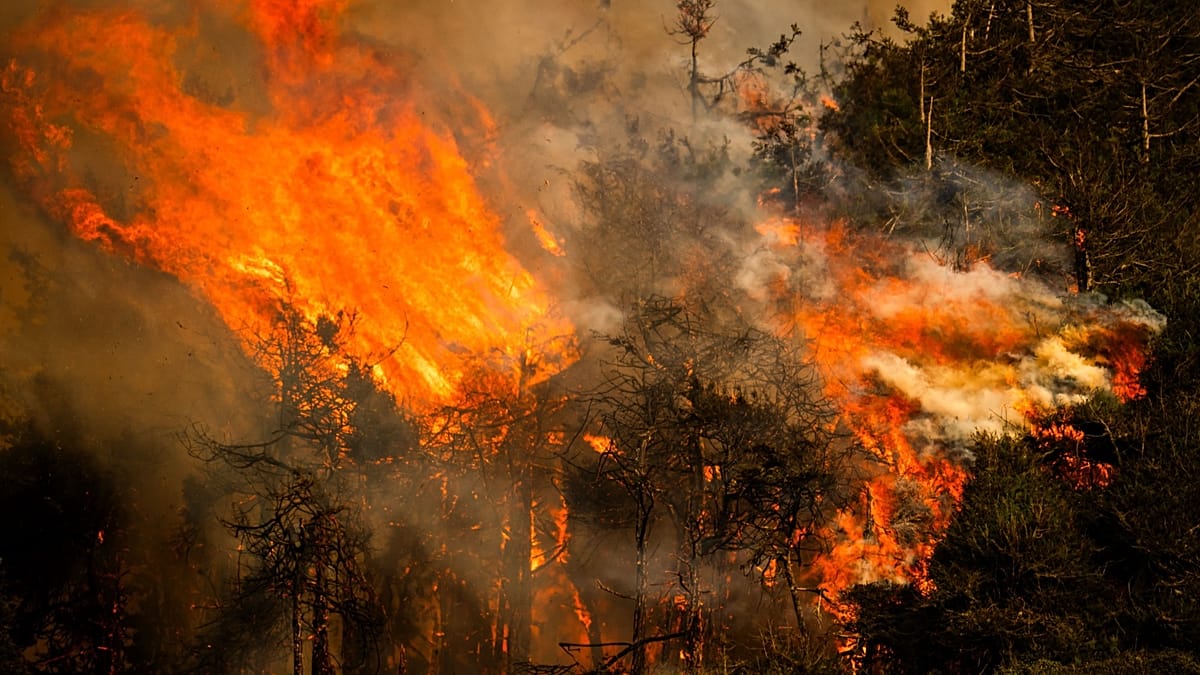
“El Niño is firmly established and will intensify into a very strong event in the coming months, with big impacts on rainfall and temperature patterns and associated risks of floods, drought and extreme heat,” the WMO said in a statement released on Thursday.
While El Niño is a natural climate phenomenon, scientists stress that it is amplifying the effects of human-induced climate change. The planet is already warming due to greenhouse gas emissions, and this natural variability is adding an extra layer of heat and disruption.
UN chief warns of 'uncharted waters'
UN Secretary-General António Guterres described the situation in stark terms. “El Niño is being supersized before our eyes,” he said. “The science leaves no room for doubt: the planet is in uncharted waters and those waters are heating up. Sea surface temperatures are rising, temperatures keep climbing, and the world is in the danger zone of extreme weather.”
Guterres called for urgent action, saying, “The race now is between rising risks and our commitment to take climate action and protect people. We must win that race.”
The WMO’s chief, Celeste Saulo, warned that the exceptional El Niño “has the potential to deliver a massive blow to communities and economies across the world.” She added, “We are already seeing disruption and devastation from droughts and floods and we expect these impacts to increase as El Niño intensifies.”
Saulo urged disaster management authorities and climate-sensitive sectors—such as agriculture, health, energy, and water—to prepare immediately, stressing that “there is no time to lose.”
El Niño is characterized by warming surface temperatures in the central and eastern equatorial Pacific Ocean, which triggers shifts in winds, pressure systems, and rainfall patterns far beyond the Pacific. It typically occurs every two to seven years and lasts nine to twelve months, oscillating with its opposite phase, La Niña.
The WMO’s classification system ranks El Niño events as weak, moderate, strong, or very strong. The agency now says there is an “exceptionally high likelihood of nearly 100 percent” that the current event will continue through February, and that it will reach the highest intensity level.
Ocean temperatures in the tropical Pacific have been exceptionally warm, with the index measuring sea surface temperature anomalies in the central-eastern equatorial Pacific rising from an average of 1.5°C above normal between May and July to weekly values of 2.2°C to 2.6°C above average in late July and mid-August. In some subsurface areas, temperatures have been more than 8°C above average.
The impacts are already being felt. For the September-November period, the WMO forecasts above-normal temperatures across almost all land areas, with rainfall patterns showing a “pronounced and classic atmospheric response to the strong Pacific El Niño.” This typically means drought in parts of the Amazon, Indonesia, and Australia, disrupted monsoons in India, and shifting rainfall across the tropics.
For Europe, the effects are indirect but significant. El Niño can influence the jet stream and atmospheric circulation, potentially affecting winter weather patterns across the continent. While the most severe impacts are expected in tropical regions, European nations should brace for potential disruptions to agriculture, water resources, and energy demand, as well as increased risks of extreme weather events.
The WMO’s warning comes as European leaders are increasingly focused on climate resilience. The European Union has been pushing for stronger climate action, with climate action framed as a survival strategy rather than a burden. The bloc is also preparing for the possibility of simultaneous climate crises, as highlighted by European Commission President Ursula von der Leyen.
As the world braces for the full force of this El Niño, the message from scientists and leaders is clear: preparation and mitigation are essential. The phenomenon is not caused by climate change, but it is exacerbating its effects, and the consequences will be felt across the planet, including in Europe.