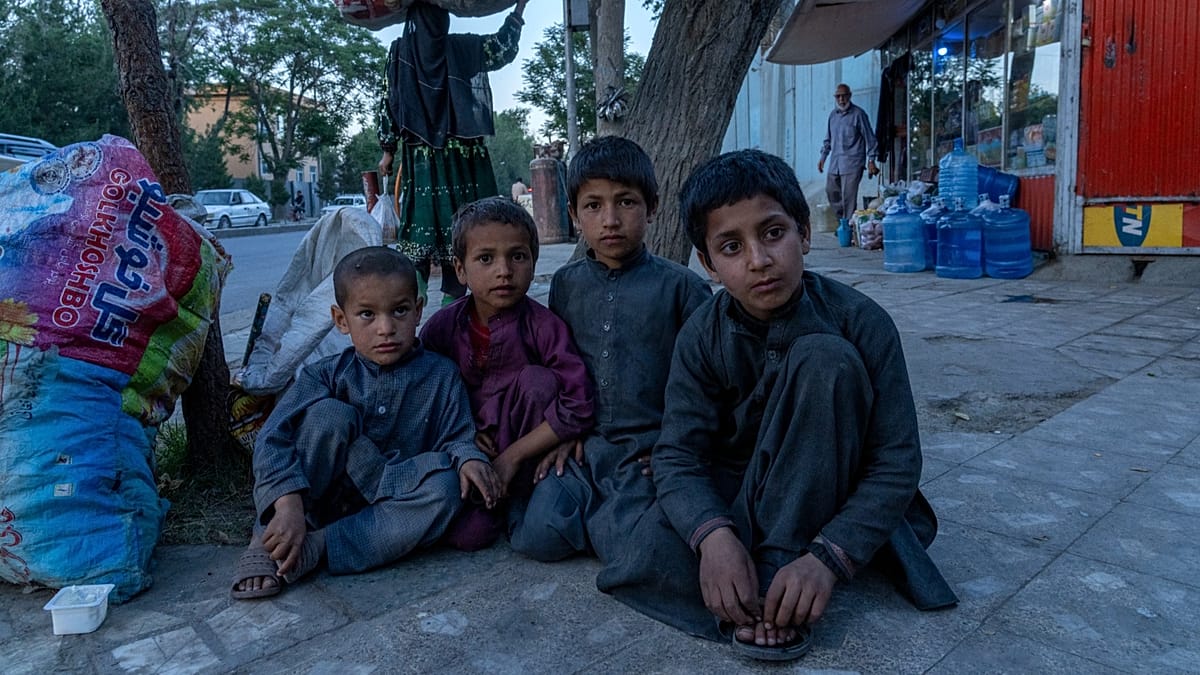
The United Nations children's agency has issued a stark warning about Afghanistan's worsening nutrition crisis, stating that one million children in the country are now suffering from life-threatening severe acute malnutrition. The announcement came during a media briefing in Geneva, where UNICEF's Afghanistan representative, Tajudeen Oyewale, described the situation as a "worsening nutrition crisis" that demands immediate international attention.
According to UNICEF, a total of 3.7 million Afghan children are currently affected by wasting, a condition characterized by acute malnutrition that leaves children dangerously underweight for their height. Among them, the one million children with severe acute malnutrition face the highest risk of death if they do not receive timely treatment. "If there is no treatment and we are not able to act fast, that one million number are at risk of dying," Oyewale told journalists from Kabul.
Alarming trends in hospital admissions
The crisis is particularly acute among the youngest children. Oyewale noted that nearly 40% of children admitted to hospitals with severe wasting and medical complications were infants under six months old. Furthermore, children under two years old account for more than 80% of all severe acute malnutrition cases in Afghanistan. "Malnutrition plays a central role" in the rising number of deaths among very young children, he added.
Hospital data underscores the escalating severity of the situation. In July 2025, around 6,000 cases of high-risk, moderate, and severe wasting were recorded. By July of this year, that number had surged to over 8,000—a one-third increase. In parts of southern Afghanistan, the strain on healthcare facilities is immense, with some hospitals now seeing three or four severely malnourished children for every available bed.
Afghanistan's recurring hunger crises are not new. The country has endured repeated periods of widespread food insecurity over recent decades, compounded by civil war and other upheavals. The economic collapse that followed the Taliban's return to power in 2021, after the withdrawal of US-led forces, has further devastated livelihoods and pushed millions into poverty.
The international community's response remains critical. As European nations and global donors weigh their commitments, the humanitarian needs in Afghanistan continue to grow. The situation also draws attention to broader questions about child welfare in conflict-affected regions, a topic that has resonated in European policy debates, including discussions on child trafficking and protection.
UNICEF is calling for urgent funding to scale up treatment programs, including therapeutic feeding and medical care for the most vulnerable children. Without swift action, the agency warns, the death toll among Afghan children could rise dramatically in the coming months.