The United Nations World Food Programme (WFP) has welcomed an $800 million (€695 million) contribution from the United States, offering a lifeline after severe funding cuts from European nations and Washington itself. The Rome-based agency, which has seen its budget shrink from $10 billion (€8.6 billion) in 2024 to just $6 billion (€5.2 billion) last year, said the funds will support "life-saving food and nutrition operations" reaching over 38 million of the most vulnerable people across at least 37 countries.
Funding Crisis Amid Rising Needs
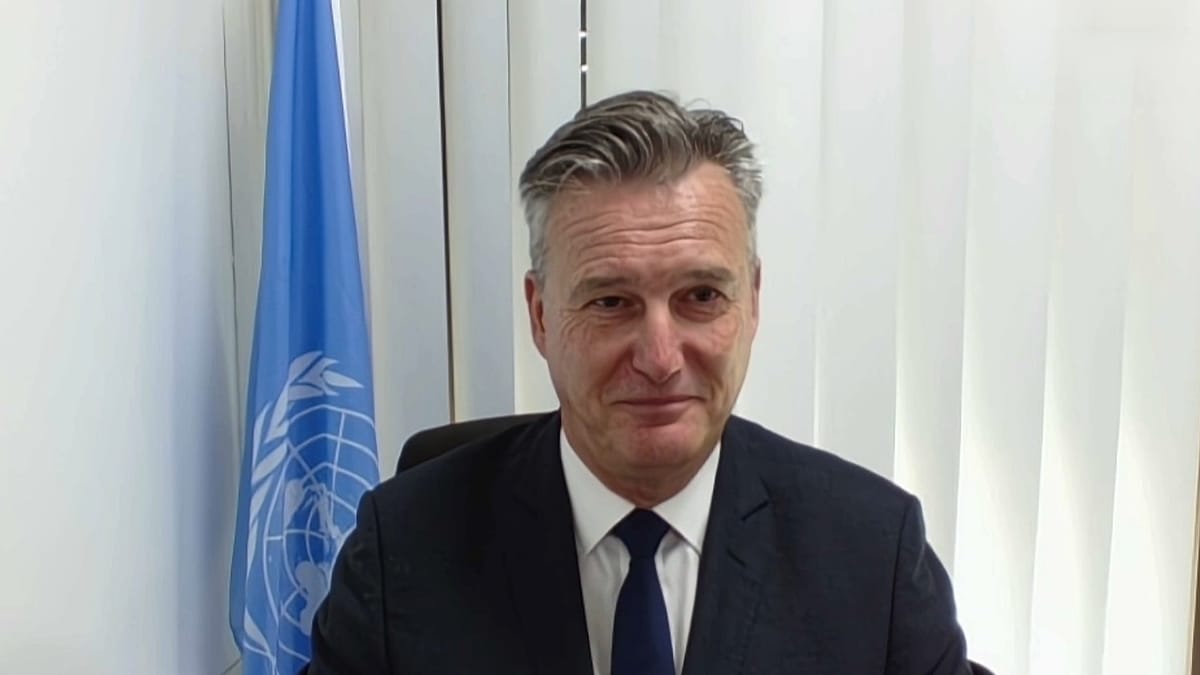
The donation comes at a time when the WFP is grappling with a deep shortfall, even as global challenges multiply. The agency's acting executive director, Carl Skau, noted that "at a time when needs are outpacing resources, this generous support from the United States is coming at a critical moment." The WFP aims to assist 110 million people in acute need this year, requiring $13 billion (€11 billion)—a target that remains far from reach.
European funding cuts have been particularly painful for the WFP, which relies heavily on contributions from EU member states and the UK. The agency's financial strain has been compounded by logistical difficulties and rising costs linked to conflicts, including the war in Iran, which has disrupted supply chains and inflated prices for aid deliveries across multiple regions.
Acute Hunger Warnings for 13 Hotspots
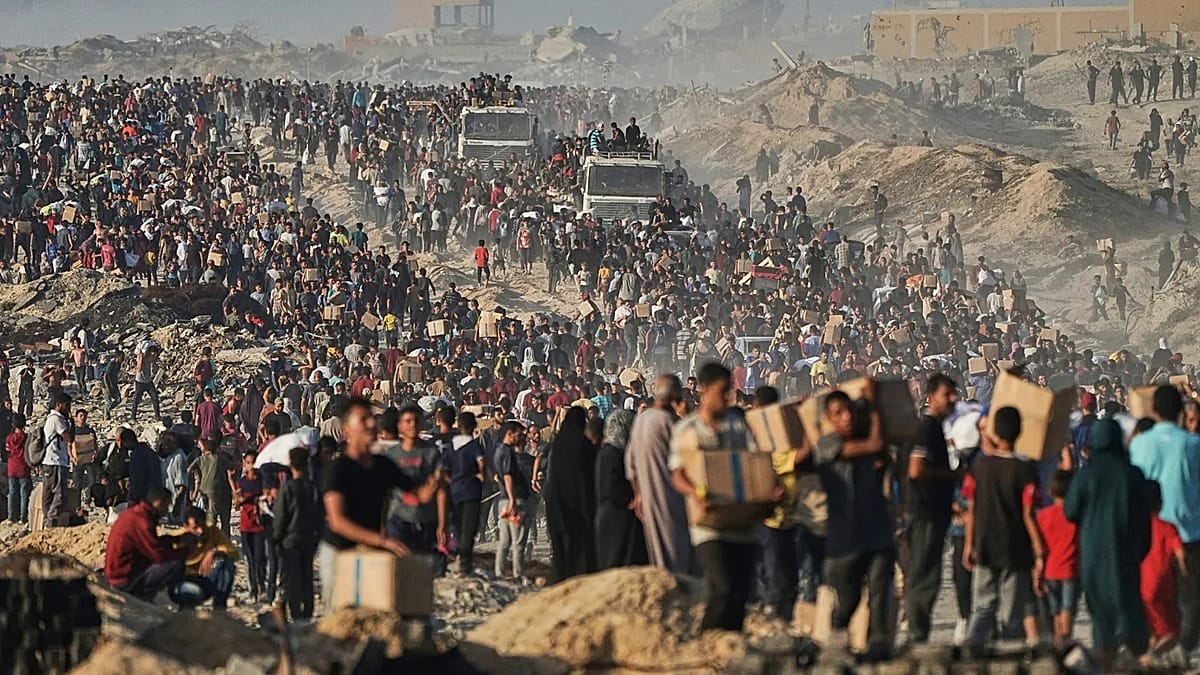
In a joint report released Wednesday, the Food and Agriculture Organisation (FAO) and the WFP warned that acute hunger is set to deteriorate across 13 global hotspots between June and November 2026. Around 266 million people already face high levels of acute food insecurity, with conflict, funding shortages, and climate shocks pushing millions closer to famine. The report identifies Sudan, South Sudan, Yemen, and Palestine as countries of greatest concern, while Nigeria and Somalia have been newly added to that category as conditions worsen and famine risks rise.
"The warnings in this report cannot be ignored," Skau said, urging the international community to act. The agencies highlighted that conflict and violence remain the primary drivers of hunger in nearly all hotspots, exacerbated by economic instability, deep cuts to humanitarian aid, and the anticipated impact of an El Niño weather pattern, which could bring droughts and floods to vulnerable regions.
European Implications and Broader Context
For European readers, the crisis underscores the continent's role in global food security. EU member states, including Germany and France, have historically been major donors to the WFP, but recent budget constraints have led to reduced contributions. The situation also mirrors broader challenges in European food supply chains, as highlighted by the EU's recent warnings on securing long-term fertiliser supplies to avert food shortages. Meanwhile, the IMF has cautioned the EU against further relaxation of fiscal rules, which could impact humanitarian spending.
The WFP's funding woes are part of a larger trend of declining international aid budgets, as European governments prioritise domestic spending and defence. The agency's acting chief stressed that without sustained support, the number of people facing famine could rise sharply, particularly in conflict zones like Sudan and Palestine, where access for aid workers remains severely restricted.
Climate change adds another layer of urgency. The FAO and WFP report notes that El Niño could exacerbate food insecurity in regions already struggling with drought and flooding, echoing warnings from studies that the Earth is on track to breach the 1.5°C warming threshold by 2030. European policymakers, already grappling with the fallout from the Airbus-Boeing trade dispute and drone threats to the Bundestag, must now weigh the implications of a worsening global hunger crisis on migration and stability.
The WFP's call for $13 billion this year is a stark reminder of the scale of the challenge. As Skau put it, "the warnings in this report cannot be ignored." For Europe, the question is whether it can step up its contributions to avert a humanitarian catastrophe that could have far-reaching consequences for the continent and beyond.