Hopes for a diplomatic resolution between Washington and Tehran have receded after fresh military exchanges near the Strait of Hormuz. US forces struck Iranian drones in the vicinity of Bandar Abbas, while Iran’s Islamic Revolutionary Guard Corps (IRGC) claimed it retaliated by hitting a US airbase. The escalation comes as both capitals continue to issue contradictory statements about the status of negotiations.
Renewed Hostilities
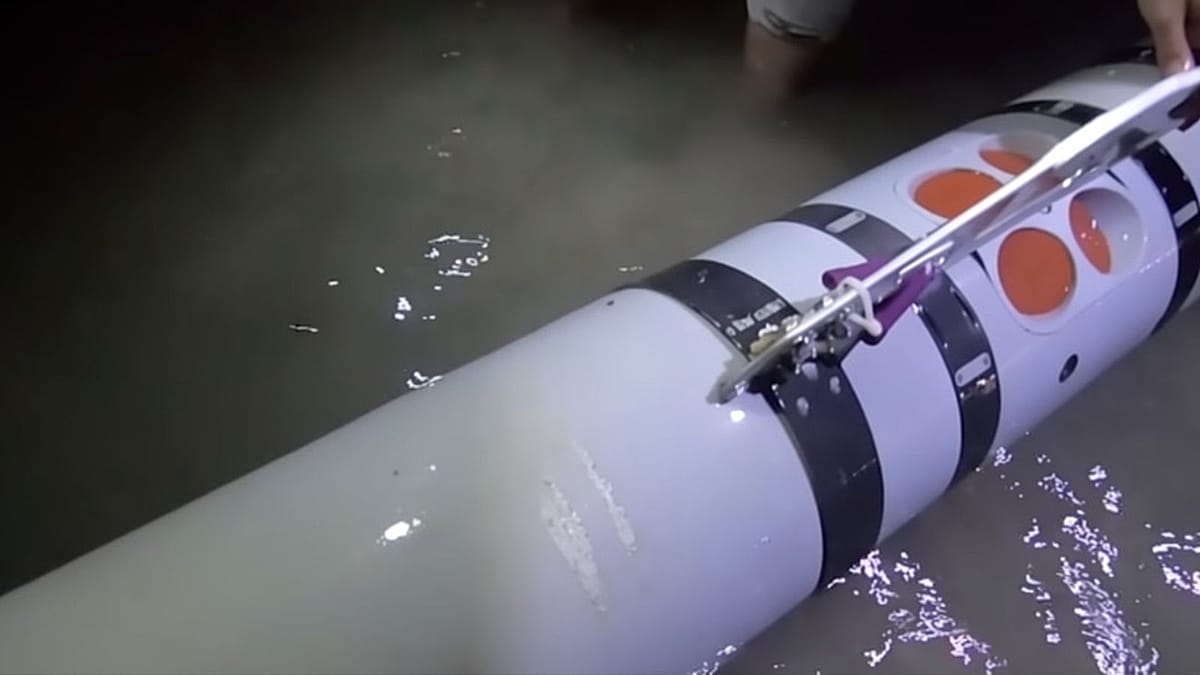
The latest confrontation unfolded when US military assets engaged Iranian unmanned aerial vehicles operating close to the strategic port city of Bandar Abbas. The Pentagon described the action as a defensive measure against an imminent threat. In response, the IRGC announced it had launched strikes against a US airbase in the region, though independent verification of the claim remains elusive.
This is the second such incident in recent weeks, following a previous exchange that had briefly raised fears of a broader conflict. The pattern of tit-for-tat attacks underscores the fragility of the ceasefire framework that mediators in Qatar and Oman have been trying to establish.
Sanctions and Economic Pressure
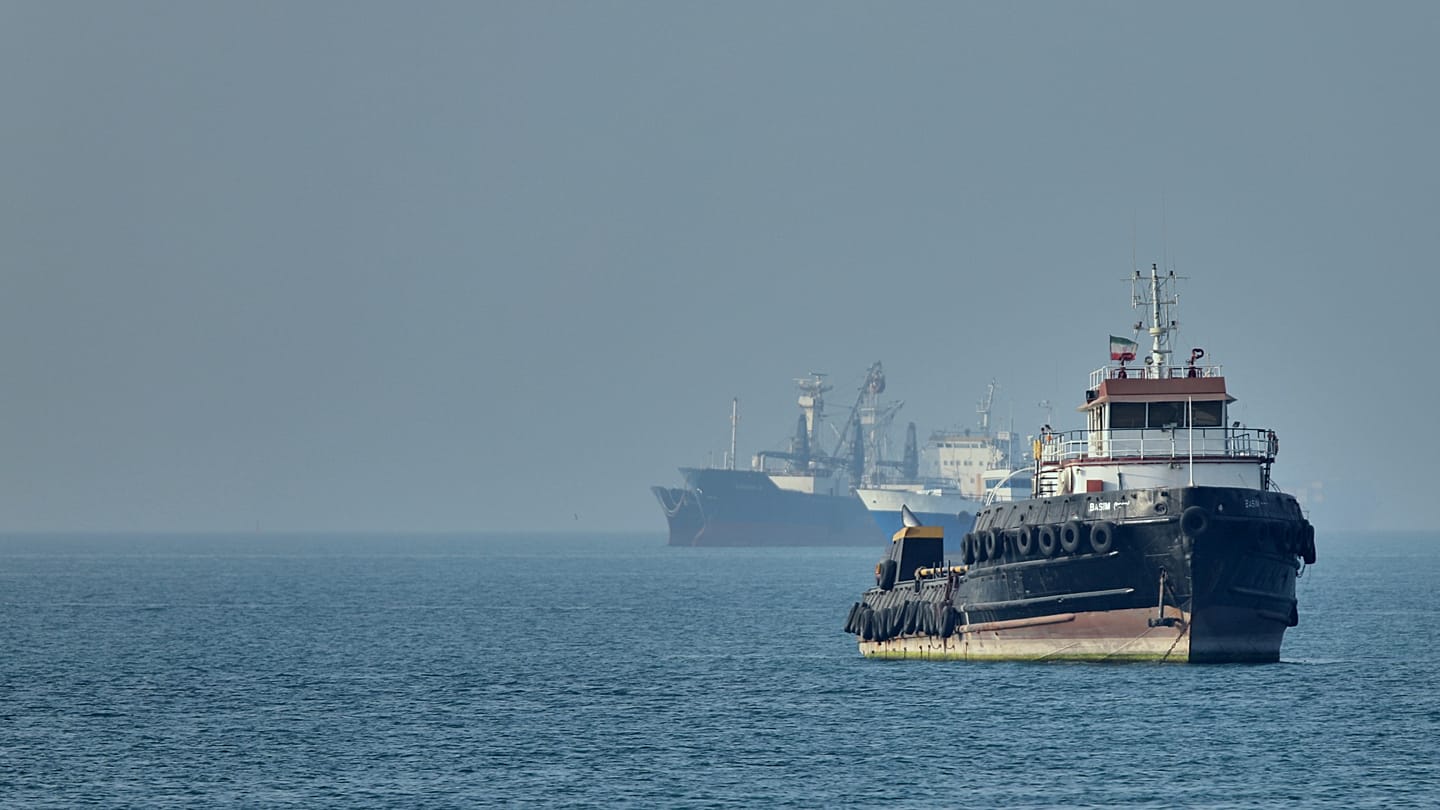
Separately, the US Treasury imposed sanctions on Iran’s Hormuz toll authority, the entity responsible for collecting fees from vessels transiting the Strait of Hormuz. The move is intended to choke off a key revenue stream for Tehran, which has increasingly relied on maritime tolls to fund its military and proxy networks. European shipping companies, particularly those from Greece, Cyprus, and Malta, have been closely monitoring the situation, as any disruption to Hormuz traffic could spike insurance premiums and reroute tankers around Africa.
The sanctions follow a pattern of economic coercion that has complicated earlier diplomatic efforts. An Iranian delegation in Qatar had been seeking a deal on frozen assets and guaranteed access through the strait, but those talks now appear stalled.
Conflicting Narratives
Both Washington and Tehran have published divergent accounts of the status of a potential agreement. US officials insist that negotiations remain on the table but require Iran to halt its drone program and verifiably limit its maritime activities. Iranian leaders, meanwhile, claim that the US has reneged on earlier commitments and that any deal must include the unfreezing of billions of dollars in assets held abroad.
The lack of a unified narrative has eroded trust among European capitals. Berlin, Paris, and London have all urged restraint, but their ability to mediate is hampered by the absence of a direct diplomatic channel with Tehran. The EU’s foreign policy chief has called for an immediate de-escalation, but no concrete steps have been announced.
Broader Regional Implications
The renewed clashes come against a backdrop of heightened tensions across the Middle East. The war in Gaza continues to fuel instability, and the stalled ceasefire talks have further complicated efforts to build a regional security framework. Iran’s support for Hamas and Hezbollah, combined with its own nuclear ambitions, makes it a central player in any broader peace architecture.
European analysts warn that a full-blown US-Iran conflict would have severe consequences for energy markets, migration flows, and the security of European allies stationed in the Gulf. The Strait of Hormuz remains a chokepoint for roughly one-fifth of the world’s oil supply, and any sustained disruption could send prices soaring, hitting European consumers and industries hard.
As the cycle of strikes and sanctions continues, the prospect of a negotiated settlement appears increasingly distant. For now, the region remains on edge, with both sides signaling a willingness to escalate rather than compromise.