The United States has lost its measles elimination status, a designation it had held since 2000, after an outbreak that began in Texas in early 2025 spread across the country and continued for more than a year. The decision, made by an expert panel of the Pan American Health Organization (PAHO), was widely expected by infectious disease specialists and was first reported by The Wall Street Journal.
According to a tracker from Johns Hopkins University, the US has recorded 5,739 measles cases so far this year, up from 2,286 in 2025. Nearly all cases have been among unvaccinated individuals or those with unknown vaccination status. State health departments report ten measles-related deaths in 2026.
“Decades of public health gains have been officially reversed,” said Wendy Armstrong, a physician and president of the Infectious Diseases Society of America.
What does losing elimination status mean?
Measles elimination status is granted when a country has interrupted continuous transmission of the virus for at least 12 months. In countries where measles is endemic, the virus spreads in an unbroken chain from person to person for a year or more. In elimination, occasional outbreaks may occur—often linked to international travel—but they are contained quickly because high vaccination rates prevent sustained spread.
A country loses its status if measles returns and spreads uninterrupted for at least a year, according to PAHO. The organisation tracks whether outbreaks are caused by the same viral strain, with the same genotype and lineage.
The US was declared measles-free in 2000 after massive vaccination campaigns and a programme that made the jabs free for millions of children. But an outbreak in West Texas in early 2025 has since spread to other states, with closely related viruses infecting people in Utah as recently as May 2026, according to an analysis by ProPublica. That chain of spread is what cost the US its status, meaning measles is now considered endemic in the country.
Other countries that have lost the status
The US is not alone. Canada lost its measles-free status in 2025 amid an outbreak that caused more than 6,400 cases across ten provinces and territories. In January, six countries in the World Health Organization’s European region—Armenia, Austria, Azerbaijan, Spain, the United Kingdom, and Uzbekistan—lost their status after cases rose in 2024.
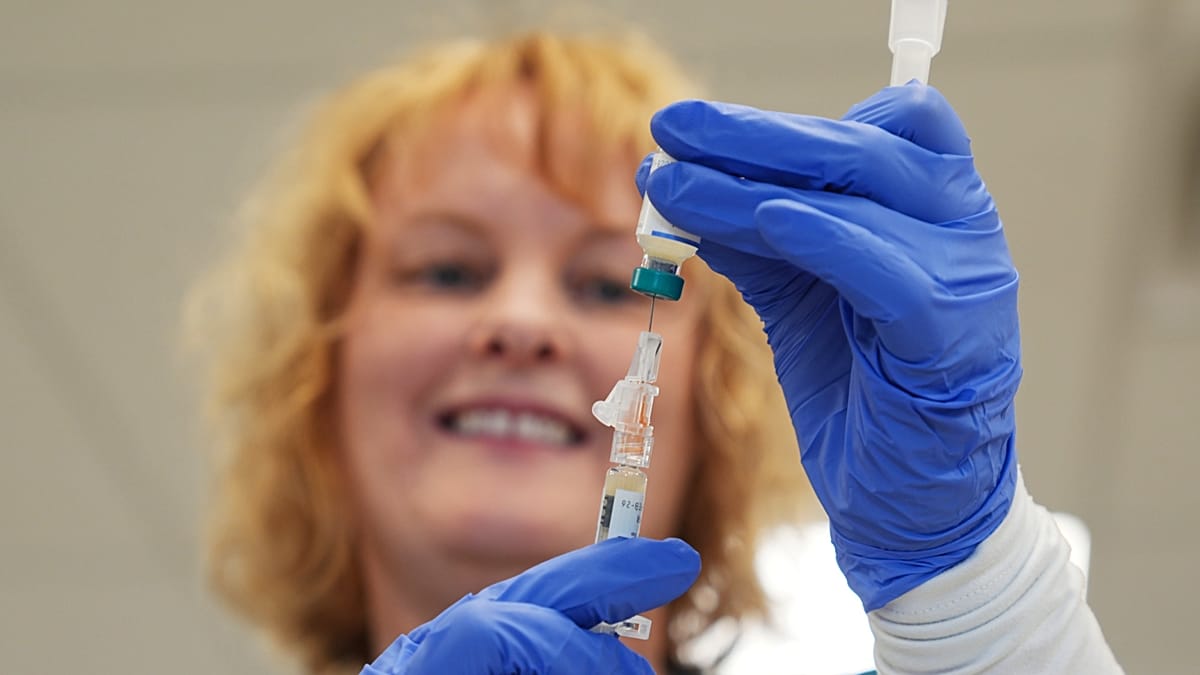
Measles was already considered endemic in France, Germany, Italy, Poland, Romania, and several other European and Central Asian countries. In 2025, the WHO recorded nearly 34,000 measles cases across the region. Health officials point to lagging vaccination rates as the main reason measles finds opportunities to spread. The disease is so contagious that at least 95% of a community must be vaccinated to prevent outbreaks; two doses of the measles vaccine provide up to 97% protection.
How can countries regain the status?
To regain measles-free status, a country must interrupt transmission for at least one year. Canada took nearly two years to quell its outbreak, which began in October 2024 and was officially declared over in October 2026. Canadian health workers identified infected people and their contacts, conducted laboratory testing to track the virus, and promoted vaccination, according to the country’s public health agency.
European health officials have urged countries to strengthen disease surveillance, improve outbreak response, and reach under-vaccinated communities. In the US, Armstrong called on the government to fund state and local health departments, invest in the infectious disease workforce, and promote measles vaccination. “The reemergence of measles at dangerous levels has quickly become a threat to communities across the country,” she said.
The loss of elimination status is a stark reminder that measles can return quickly when vaccination coverage slips. For Europe, where several countries have already lost the status, the lesson is clear: maintaining high vaccination rates is essential to keep the virus at bay. As the continent watches the US situation unfold, health officials are doubling down on efforts to prevent similar setbacks. For more on how vaccination gaps are affecting public health, see Europe's superbug crisis and the recent rise in US measles cases.