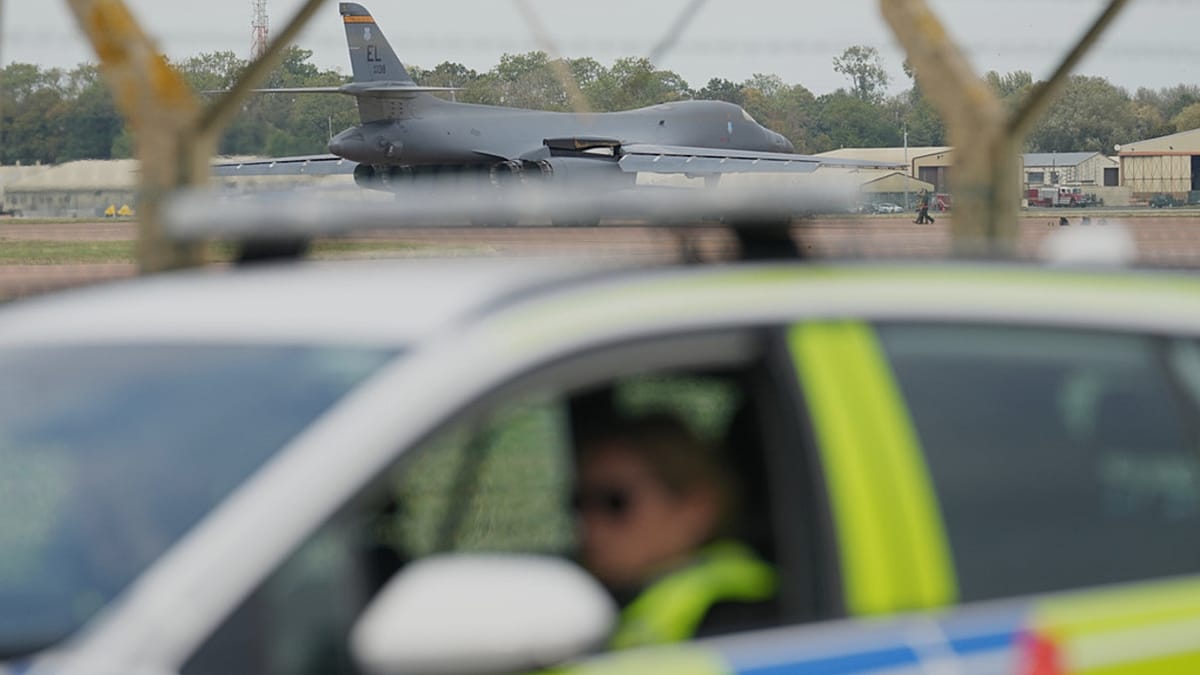
President Donald Trump confirmed on Monday that the United States had withdrawn all B-1 bombers from RAF Fairford in Gloucestershire, citing unspecified threats that Washington believes are connected to Iran. The Pentagon had earlier acknowledged the aircraft's departure from the base, which has been used for what it calls 'defensive' strikes against Tehran.
Speaking at the White House, Trump said: 'There were some threats. And rather than tempting the enemy – we'll capture the enemy and beat the enemy, but why should we leave them there? So we moved them around a little bit, not very far.'
The move follows a security scare at the base on 27 September, when police were called after a local farmer reported a group of men with several vans acting suspiciously. A major counter-terrorism investigation was launched, and five suspects were arrested at the time, with a British-Iranian national detained later. All have since been released on bail.
Counter-terrorism police said no explosives were found in the vans, but 'a quantity of petrol was recovered.' The incident has fueled speculation ranging from a terror plot to fuel theft, especially as energy prices in the UK hit record highs this week.
New intelligence prompts urgent relocation
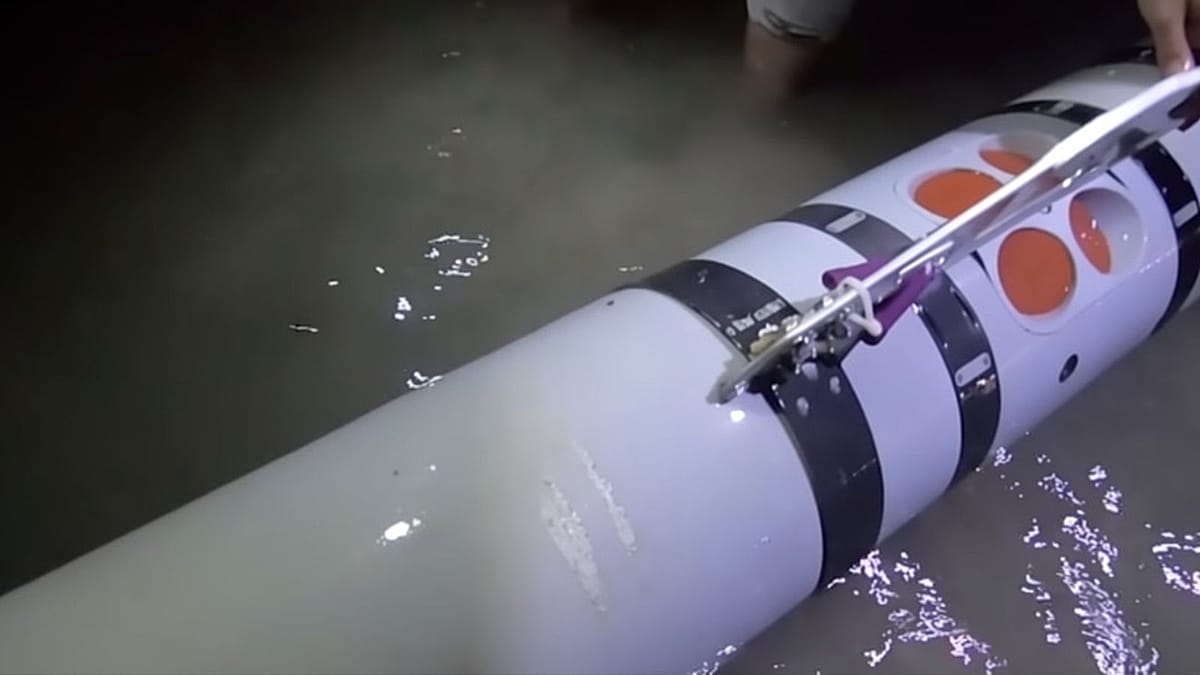
Trump declined to comment on reports that the threat involved attack drones, saying: 'I can't tell you that but if they did they'll suffer greatly.' He added: 'We actually know the people that made the threat. They would be linked to Iran.'
Two US officials told American media that the bombers were moved after commanders received new intelligence about an Iran-backed plot. One official said the information was part of the same threat warnings that emerged three weeks ago, but the situation became urgent in the past 24 hours.
UK Prime Minister Andy Burnham's official spokesman insisted the base was safe, saying: 'We have tried and tested approaches to defend our bases around the country and throughout the world.' Burnham had previously stated there were 'strong indications that Iran played a part' in the incident, a claim Tehran has rejected.
Trump has been critical of British authorities for releasing the arrested men, all in their mid-20s, on bail pending further investigation. The episode has added to transatlantic tensions over how to handle Iranian threats, with Washington preferring a more aggressive posture.
The relocation of the B-1s is the latest in a series of security-related moves involving US assets in Europe. It also comes amid broader discussions about European defense cooperation, as highlighted by Burnham's recent comments about rejoining the EU and NATO's response to Russian nuclear rhetoric.
While the UK government maintains that RAF Fairford remains secure, the incident has raised questions about the vulnerability of US bases on European soil. The base has long been a key staging point for American long-range bombers, and its temporary loss could affect US military operations in the Middle East and beyond.
Iran has denied any involvement in the security scare, but Washington's intelligence community appears convinced of Tehran's role. The situation remains fluid, with the investigation ongoing and the bombers now stationed at an undisclosed location.
For European observers, the episode underscores the delicate balance between hosting US military assets and managing the risks that come with them. As the withdrawal from RAF Fairford shows, even a temporary repositioning can have ripple effects across the continent's security architecture.