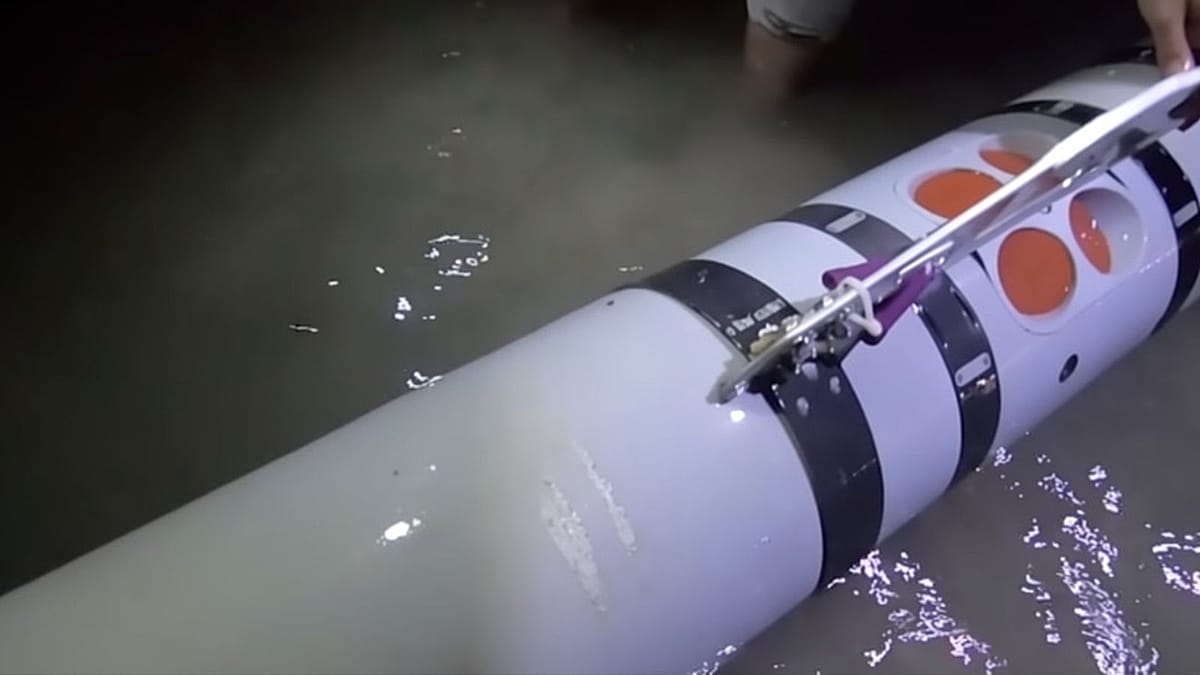
Over the weekend, the United States launched a series of military strikes against Iranian military installations, according to US Central Command (CENTCOM). The operation targeted radar and command-and-control sites for drones in Goruk and on Qeshm Island, both inside Iran. CENTCOM described the action as a "self-defence" measure, taken in response to what it called "aggressive Iranian actions," including the downing of a US MQ-1 drone.
Meanwhile, Kuwait reported that its air defences intercepted multiple hostile missiles and drones on Monday, as air raid sirens sounded across the Gulf state. The Kuwait Army confirmed on its official X account that explosions heard were from interception efforts. State news agency KUNA noted that the sirens rang out despite a ceasefire agreement between Washington and Tehran.
Negotiations in Flux
The military escalation comes as US President Donald Trump reportedly hardened the terms of a draft peace agreement with Iran. According to US media, Trump sent a revised version of a possible memorandum of understanding to Tehran, tightening several negotiating points. His stated priorities include preventing Iran from developing nuclear weapons and reopening the Strait of Hormuz, which Iran has blockaded since the conflict began.
Tehran has expressed skepticism about Trump's assertions, and the two sides remain far apart on key issues. Any further tweaks to the draft could delay a formal agreement to end the war and restore shipping through the strait, after weeks of fraught negotiations marked by sharp rhetoric and occasional flare-ups of violence.
Iran's chief negotiator, Mohammad Bagher Ghalibaf, stated in a broadcast on state television: "We will not approve any agreement until we are certain that the rights of the Iranian people have been upheld." The Tasnim news agency reported that exchanges on the text "are ongoing, with both parties regularly proposing amendments." Iranian Foreign Minister Abbas Araghchi added, according to state TV, that "until a clear conclusion is reached...everything that is being said now is speculation."
The developments have implications for European security, particularly given the bloc's reliance on energy imports and shipping routes through the Gulf. The Strait of Hormuz is a critical chokepoint for global oil supplies, and any prolonged disruption could affect prices and supply chains across Europe. The situation also echoes broader tensions in the Middle East, where European nations have often sought to mediate or protect their strategic interests.
For context, the conflict has already drawn in regional actors and affected European allies. In a related incident, the US Navy struck a cargo ship in the Gulf of Oman earlier this month, further escalating tensions. Meanwhile, European capitals are watching closely as the US and Iran navigate a fragile path between diplomacy and military action.
The uncertainty surrounding the draft deal underscores the challenges of reaching a comprehensive agreement. With both sides hardening their positions, the prospect of a swift resolution appears dim. European policymakers may need to prepare for a prolonged period of instability in the Gulf, with potential knock-on effects for energy markets and regional security.