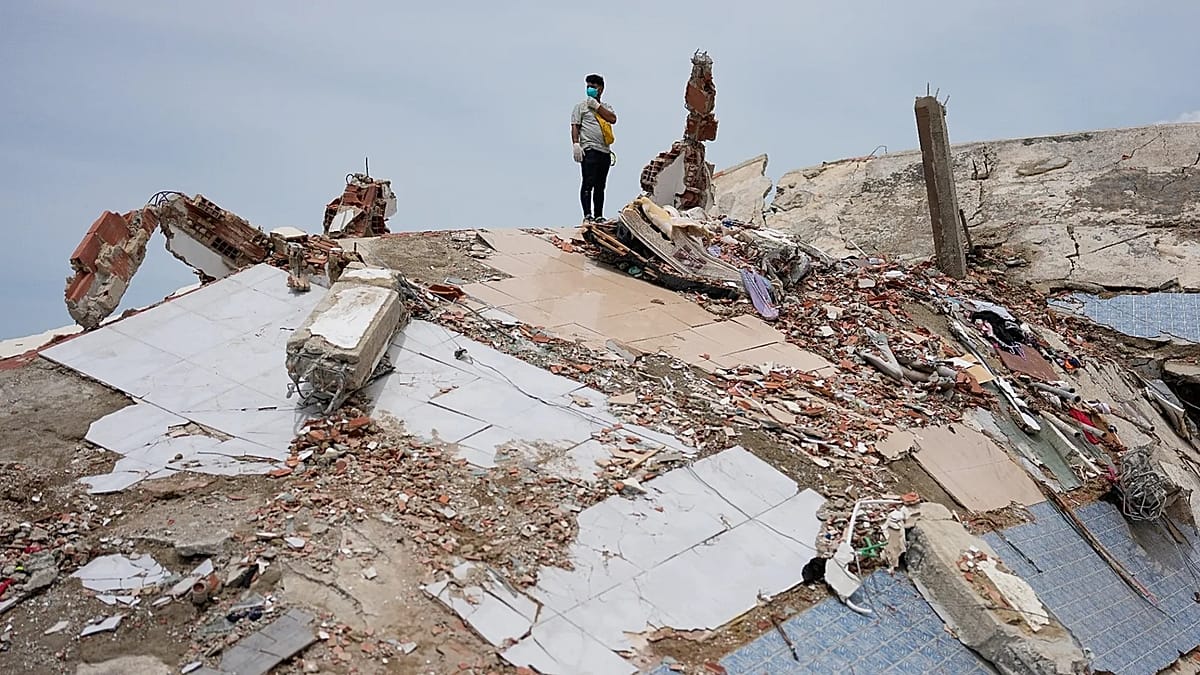
The death toll from two powerful earthquakes that struck northern Venezuela last week has risen to 1,943, according to authorities on Tuesday. The back-to-back tremors, measuring 7.2 and 7.5 in magnitude, hit on the evening of 24 June, causing widespread destruction and leaving tens of thousands missing. A strong aftershock on Friday further rattled the region, sending residents fleeing into the streets.
Jorge Rodríguez, president of Venezuela's National Assembly, reported that 10,571 people have been injured and 28,380 are receiving care in hospitals or temporary camps. The scale of the disaster has overwhelmed local resources, prompting an international response that includes teams from European Union member states.
Acting President Delcy Rodríguez stated on Monday that 3,681 rescuers from 30 countries have joined search efforts, alongside over 1,000 tons of supplies, 27 vehicles, and 118 search dogs. The EU has deployed rescue teams to assist in the aftermath, as noted in earlier reports. More than 6,450 people have been found alive as of Tuesday, with an additional 13,500 able to escape on their own, according to the Venezuelan government.
Humanitarian Crisis Deepens
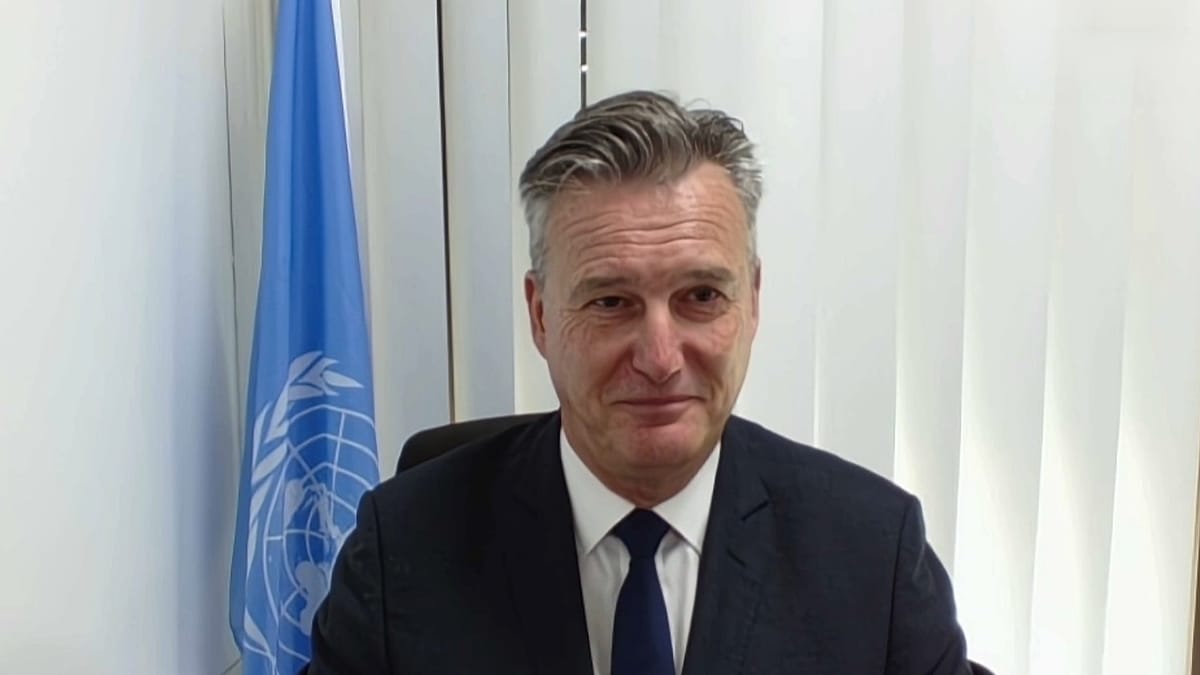
UNICEF has estimated that around 1.8 million people, including 680,000 children, require humanitarian assistance following the quakes. The agency is working with local partners to provide clean water, medical supplies, and psychological support. The first 72 hours after a quake are critical for rescues, but nearly a week has passed since the initial tremors, reducing the chances of finding more survivors.
Video footage on social media shows emergency responders navigating small, unstable crawl spaces to reach survivors. The international community has also provided over 1,000 tons of supplies, 27 vehicles, and 118 search dogs, Delcy Rodríguez added.
European nations have been among the first to respond. EU rescue teams have been scouring rubble in Venezuela, and the bloc's humanitarian aid office has coordinated deliveries of emergency equipment. The crisis underscores the vulnerability of infrastructure in seismically active regions, a concern that resonates across Europe, where countries like Italy and Greece face similar risks.
As rescue operations continue, the focus is shifting to long-term recovery. The Venezuelan government has appealed for more international aid, including temporary housing and medical facilities. The earthquake's impact on the country's already strained economy is expected to be severe, with damage to roads, bridges, and power grids.
For Europe, the disaster highlights the importance of preparedness and international solidarity. The EU's rapid response mechanism, which has been activated for Venezuela, serves as a model for future crises. As the death toll climbs, the global community must remain engaged to prevent further loss of life and support the affected population.