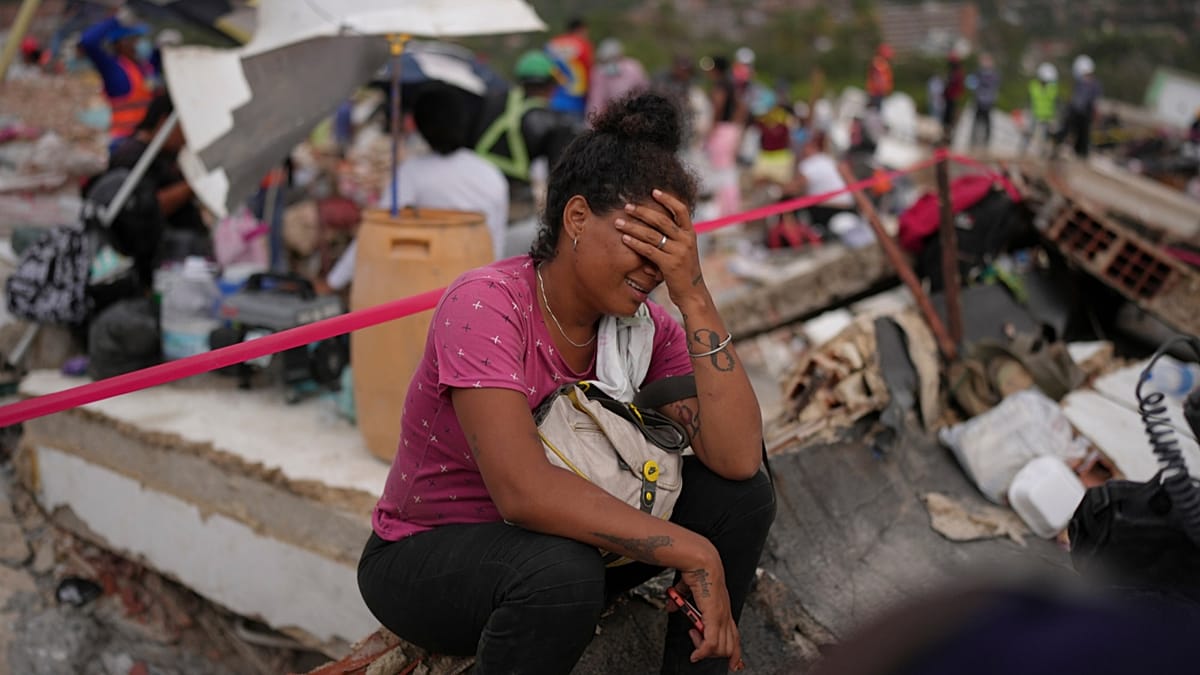
More than two weeks after the devastating earthquakes that struck Venezuela on 24 June, the official death toll has climbed to at least 2,295, with over 11,000 injured. Thousands of displaced survivors are now living in crowded shelters or out in the open, lacking access to clean water and basic sanitation. Aid workers warn that the aftermath has escalated into a severe medical crisis that could claim additional lives unless addressed urgently.
The disaster has laid bare Venezuela's chronic shortage of doctors—a consequence of years of economic turmoil, underfunding, and mass emigration of medical professionals. Eugenio Cova, head of the trauma unit at Hospital del Oeste Dr José Gregorio Hernández in Caracas, told reporters: “The issue we foresee just around the corner is the infections that patients who have been exposed to the disaster for the longest time might bring. We’ve already gone through a period of complex trauma, which will continue to occur, but now it’s complicated by infections.”
Infrastructure Damage Fuels Disease Fears
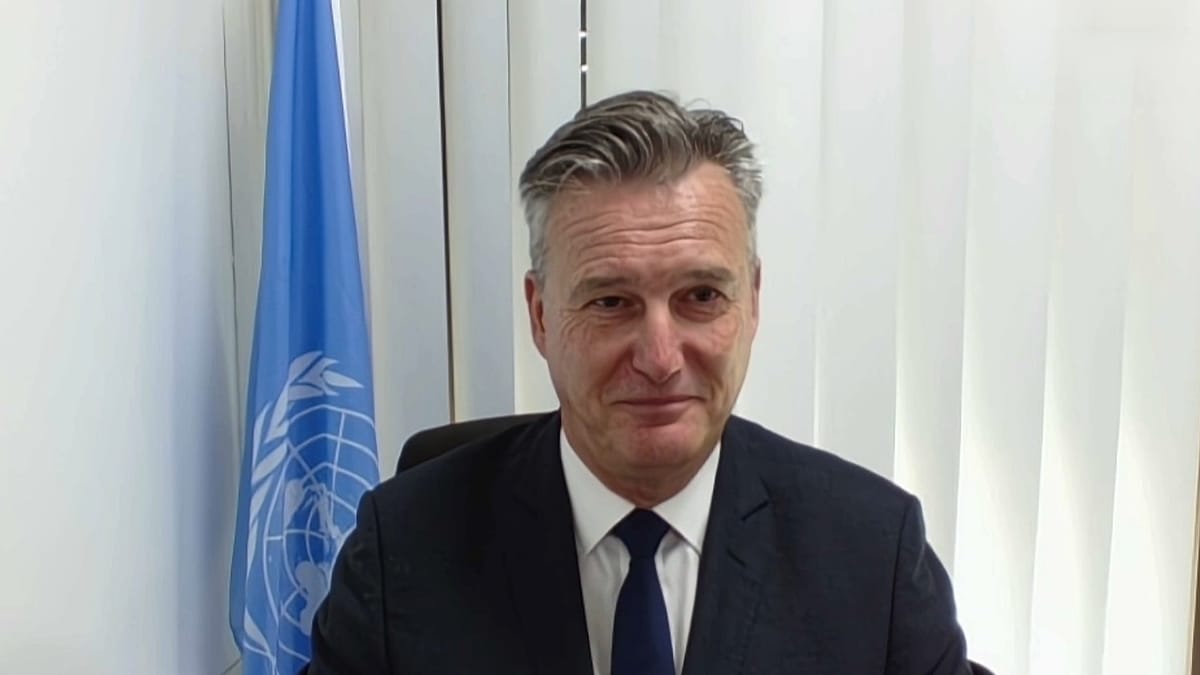
Extensive damage to water, sanitation, and waste management systems in the hardest-hit communities is raising concerns about outbreaks of vector-borne diseases. Veronique Durroux, spokesperson for the UN humanitarian agency in Latin America and the Caribbean, noted: “It’s very hot, and there’s a lot of concern about potential vector-borne diseases. Waste management is an issue. Debris management, when you see the scale of devastation, it’s very concerning.”
The earthquakes have compounded an already dire humanitarian situation in Venezuela, where hyperinflation and political instability have crippled public services for years. The UN Development Programme estimates material damage from the quakes at over $6.7 billion, based on satellite analysis.
International rescue efforts have intensified. The United States has deployed 900 military personnel to support relief operations, repairing a damaged runway at the main international airport serving Caracas to facilitate the arrival of humanitarian aid. US naval assets are positioned off the coast to receive airlifted survivors. A further 100 personnel from the US State Department have been deployed to coordinate these efforts. The Trump administration has pledged $300 million in assistance, channelled through aid groups and the United Nations, though this represents only a fraction of the estimated need.
An additional 50 international search-and-rescue teams have arrived in recent days, including personnel from Ecuador and Israel—countries that do not maintain diplomatic ties with Venezuela. Despite the narrowing odds, rescuers continue to find survivors; a toddler was pulled alive on Tuesday after being trapped for six days.
The crisis in Venezuela echoes broader challenges across Latin America, but it also has implications for Europe. The EU has previously allocated steel import quotas to allies amid global overcapacity, and the region's instability can affect migration patterns and trade. As European nations grapple with their own crises—such as Spain's second-hottest June on record linked to nearly 900 excess deaths and France recording ~1,000 excess deaths during a heatwave—the Venezuelan disaster underscores the importance of international solidarity and preparedness for natural disasters.
For European readers, the situation in Venezuela serves as a stark reminder of how quickly a medical crisis can spiral out of control when health systems are already fragile. The EU and its member states have historically provided aid to Venezuela, and the current emergency may prompt renewed calls for support. As the death toll continues to rise, the focus remains on preventing further loss of life through immediate medical assistance and long-term reconstruction.