Volkswagen's workforce has sharply criticized the company's leadership over what they describe as 'disastrous' communication regarding potential job cuts and the future of several German plants. The criticism comes as Europe's largest carmaker weighs deeper cost reductions amid a challenging transition to electric vehicles and intensifying competition from Chinese rivals.
Workers demand clarity
In internal meetings and statements, employee representatives have voiced frustration over the lack of concrete information from the board. They argue that vague warnings about 'capacity adjustments' have created anxiety across factories in Wolfsburg, Hanover, and elsewhere, without offering a clear roadmap for the future.
One works council member, speaking on condition of anonymity, said: 'We are being kept in the dark. The management talks about difficult decisions, but they don't tell us what they actually plan to do. This is no way to treat the people who build the cars.'
The discontent reflects a broader unease within the company, which has been grappling with high production costs, a slower-than-expected EV rollout, and the need to compete with Tesla and a wave of affordable Chinese electric models. Earlier this year, Volkswagen's biggest shareholder demanded an urgent competitiveness overhaul, putting additional pressure on CEO Oliver Blume to deliver results.
Workers, however, feel that the board is not engaging with them honestly. 'We hear about possible plant closures from the press, not from our own management,' said another employee representative. 'That is simply not acceptable.'
The company has not confirmed any specific plant closures, but has acknowledged that it is reviewing its production network to align capacity with demand. In a statement, Volkswagen said it is committed to 'socially responsible' measures and will involve employee representatives in any decisions.
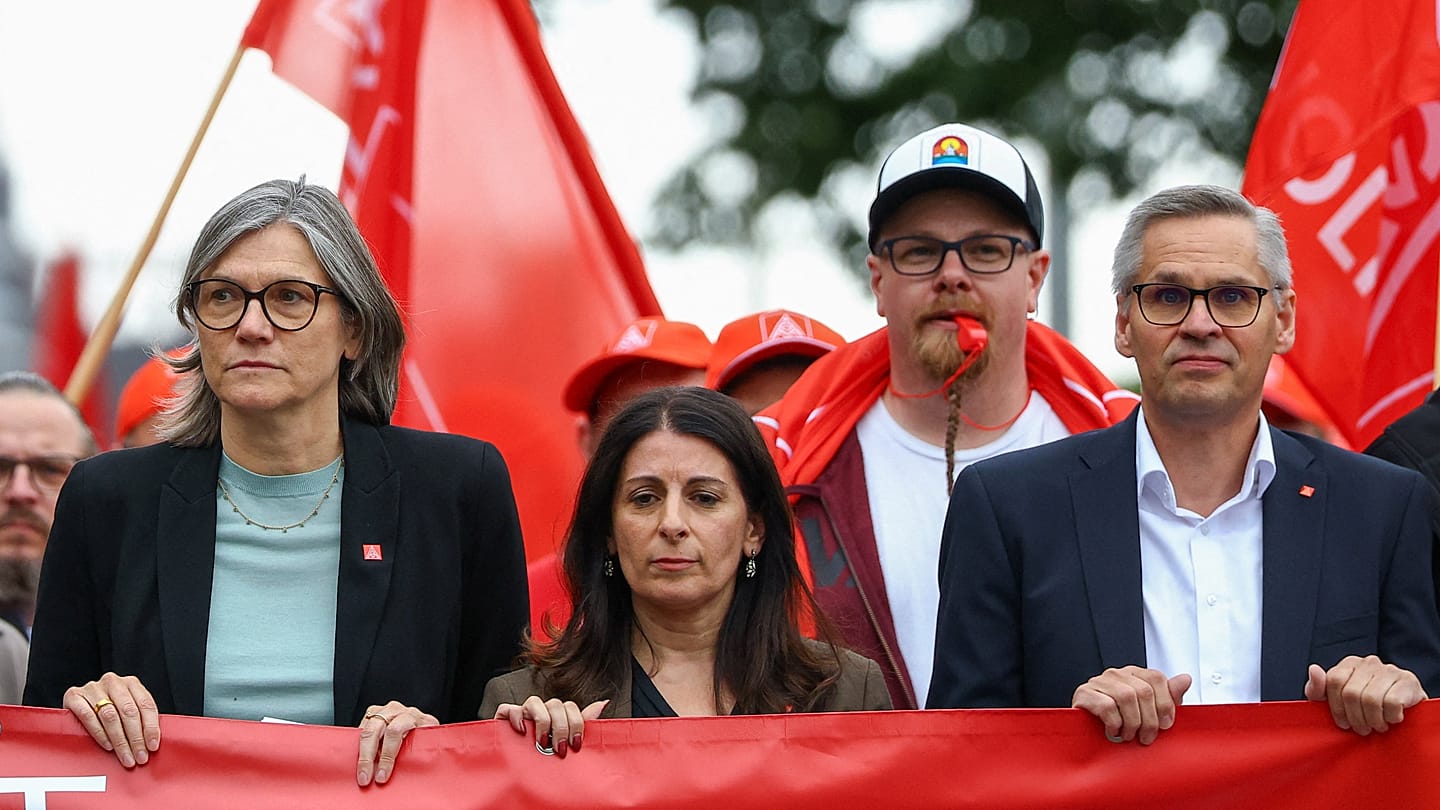
Yet the trust deficit is growing. Union leaders, including IG Metall, have warned that they will not accept unilateral decisions that threaten jobs. They point to the company's history of strong co-determination, where works councils have a say in major strategic moves, and insist that this tradition must be upheld.
The situation is being watched closely across Europe, as Volkswagen is a bellwether for the continent's automotive industry. Its struggles reflect broader challenges facing German manufacturing, from energy costs to digitalization. Some analysts argue that the company's communication missteps could undermine its ability to implement necessary reforms.
'If you want to transform a company, you need the workforce on your side,' said a Berlin-based industry analyst. 'Alienating them with poor communication is a recipe for resistance and delays.'
For now, employees are demanding a clear plan. They want to know which plants are at risk, what investments are planned, and how job security can be guaranteed. The works council has called for an extraordinary meeting to press management for answers.
As the debate unfolds, the broader European context looms large. The EU's push for a green transition and the rise of new competitors are reshaping the industry. In this environment, clear and honest communication is not just a nicety—it is a strategic necessity. The coming weeks will show whether Volkswagen's leadership can restore confidence among its own workers.