Nigeria's chronic electricity shortages are reshaping the country's energy landscape, with decentralized solar emerging as a viable alternative to a grid that has long frustrated businesses. Millions of enterprises still depend on expensive diesel and petrol generators, but a growing number are turning to solar and mini-grids for more reliable and cost-effective power.
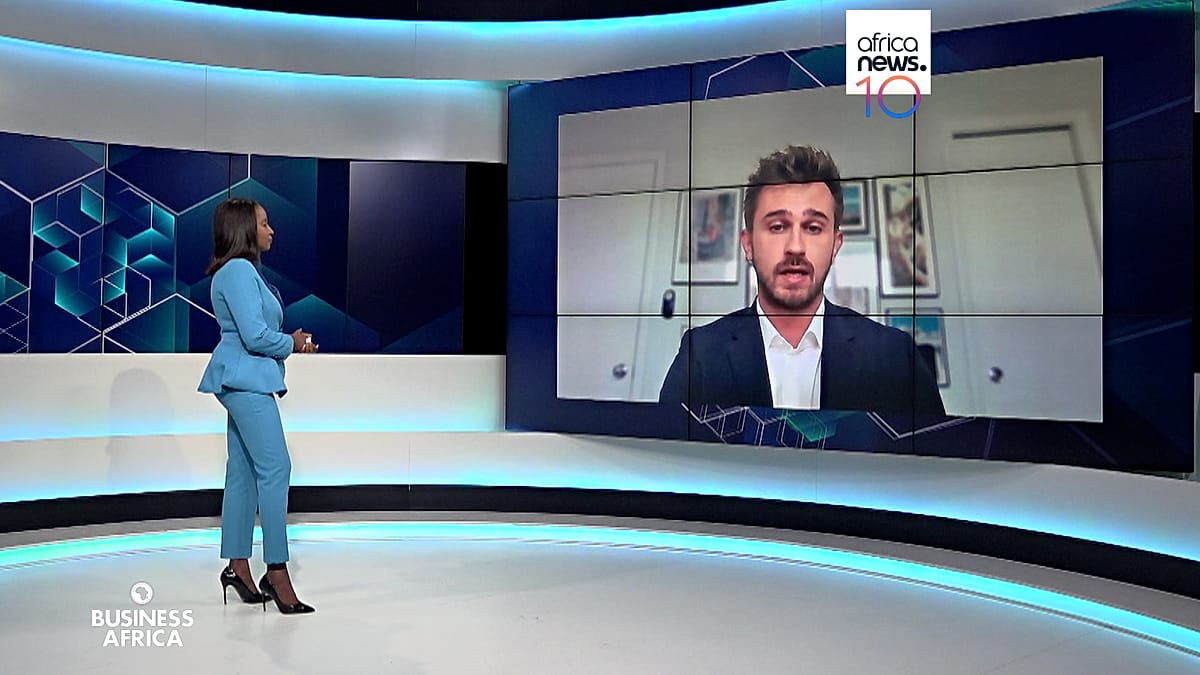
PowerGen, a renewable energy company, is betting that commercial solar can deliver electricity at scale. In a recent interview with Business Africa, Connor Shine, Director at Delphos, discussed whether solar can now compete with generators, how the deal manages currency risk, and whether the model could be replicated across other African markets.
Managing currency risk
Currency volatility remains one of the biggest hurdles for clean-energy investment across Africa. For companies investing in solar infrastructure, depreciation of local currencies can inflate the cost of imported equipment and complicate repayment of dollar-denominated financing.
Shine explained how Delphos structured its financing to mitigate these risks in the PowerGen deal. The approach raises a broader question: could similar financing models help accelerate decentralized energy investment in other African markets? Countries such as Kenya, Ghana, and the Democratic Republic of Congo are also seeking to expand access to reliable electricity, creating potential opportunities for distributed energy solutions.
The potential extends beyond Africa. Europe has seen its own solar boom, with solar power saving the continent billions since the Iran war began, highlighting the global relevance of solar as a strategic energy source.
Togo and Russia strengthen ties
In a separate development, Togo and Russia are deepening economic cooperation after 65 years of diplomatic relations. The two countries recently held their first joint intergovernmental commission at the Palais des Congrès in Lomé. Trade remains modest, but both sides are exploring opportunities to expand investment and economic ties.
This comes as Russia continues to seek influence in Africa, a trend that has implications for European foreign policy. European leaders have been wary of Moscow's growing footprint on the continent, as seen in Belgian defence minister's warnings about Europe's soft power.
Africa's digital gap narrows
Africa's digital transformation is accelerating. According to the GSMA, 83 percent of connected Africans now go online every day. The continent's mobile coverage gap has fallen from 50 percent in 2016 to less than 15 percent today, driven by sustained investment in telecommunications.
Improved connectivity is also enabling the growth of digital services, including mobile money and remote monitoring for solar installations, further supporting the case for decentralized energy across the continent.
For European investors and policymakers, the developments in Africa's energy and digital sectors offer both opportunities and challenges. As France and Germany push for new EU powers to counter China's trade practices, Africa remains a key arena for economic diplomacy.