The United States has formally opened an investigation into the European Union's carbon border tax, questioning whether the mechanism unfairly penalises American exporters and whether planned expansions would create new trade barriers. The probe, announced in an official document published on Thursday, marks the latest flashpoint in transatlantic trade relations under President Donald Trump's administration.
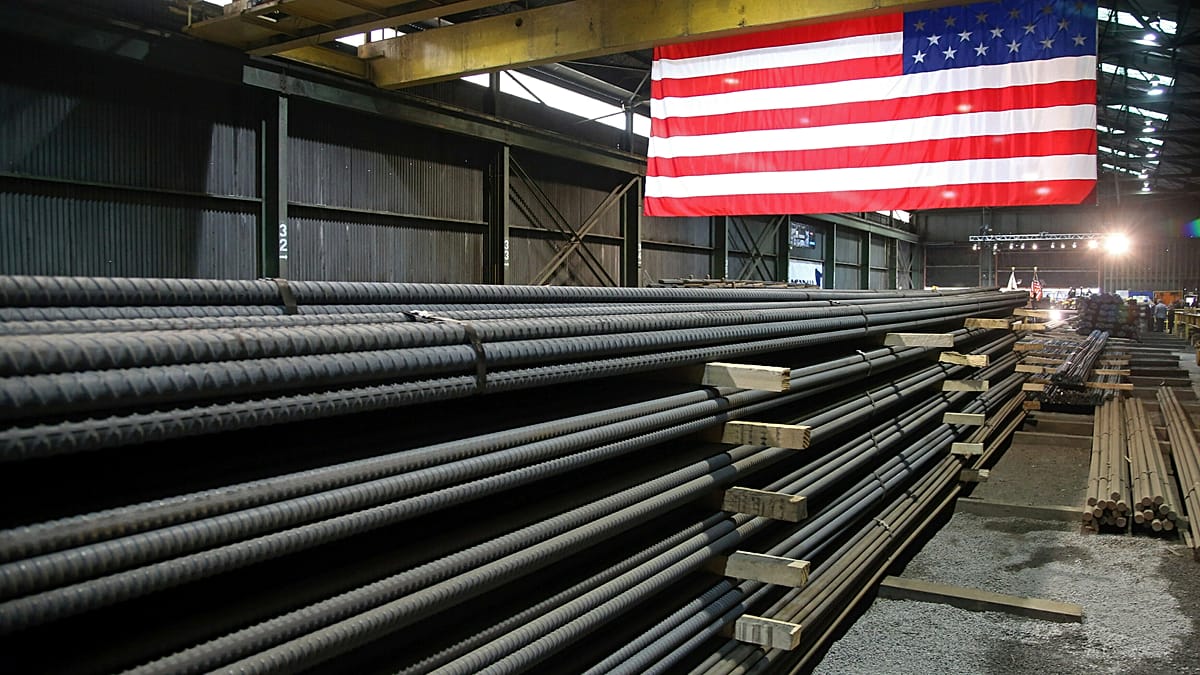
The EU's Carbon Border Adjustment Mechanism (CBAM), which took effect in January 2026, applies to imports of aluminium, cement, fertilisers, hydrogen, iron and steel. Its stated purpose is to prevent European manufacturers from being undercut by foreign competitors operating under weaker climate rules, and to stop carbon-intensive production from simply relocating outside the bloc. But Washington argues that the system imposes financial liabilities on US companies and that the way emissions are calculated adds a "punitive markup" that goes beyond what is necessary.
The timing is significant. Brussels is currently negotiating plans to extend CBAM to additional products, including washing machines and car parts, while also tightening rules to prevent circumvention. The US investigation will examine the impact of both the existing mechanism and the proposed expansion on American producers, looking at costs, regulatory burdens, and access to the EU market. US companies have until 9 November to submit their views.
The move comes shortly after the World Trade Organisation agreed to establish a dispute panel at Russia's request to examine the legality of CBAM. Moscow contends that the carbon border tax creates "significant trade barriers" for goods entering the EU, and also claims that free carbon allowances granted to some heavy industries under the EU's Emissions Trading System amount to an "export subsidy" that gives European manufacturers an unfair advantage.
Divisions within the EU
Inside the EU, member states and the European Parliament remain split over how far to extend CBAM, according to a Council document seen by Euronews. The European Commission has proposed a list of new products, but Ireland, which currently holds the rotating EU Council presidency and is brokering negotiations, says both governments and Parliament consider the proposal too narrow. The disagreement is over which additional products to include.
Belgian Green MEP Sarah Matthieu has argued that the EU should include critical clean tech goods such as solar panels and heat pumps. Such a move would protect European manufacturers, but critics warn it would also push up prices for businesses and consumers. The Irish Presidency, which hopes to reach a deal at a key meeting on 20 October, has asked EU capitals to identify which Parliament proposals they could accept and where they would be ready to compromise.
Another sticking point is the Commission's proposal to allow temporary exemptions from CBAM in "serious and unforeseen circumstances." MEPs oppose this, arguing it would weaken the mechanism and give the Commission excessive powers without adequate parliamentary scrutiny. Instead, they favour financial support for affected industries through redistribution from EU funds. MEPs also want a tougher system that automatically applies default carbon values to high-risk goods and origins unless specific exceptions are met. The Council is more flexible, allowing companies to continue using their actual emissions data if they can provide sufficient evidence.
Washington's investigation will assess the Commission's original proposal and the competing positions of the Council and Parliament to determine how each could affect American companies compared with their European rivals. The outcome could have broader implications for EU-US trade relations, which have already been strained by tariff disputes and differing approaches to industrial policy. As the EU seeks to position itself as a global leader in climate action, it must balance that ambition against the risk of alienating key trading partners. The coming months will show whether Brussels can navigate these tensions without triggering a full-blown trade conflict.