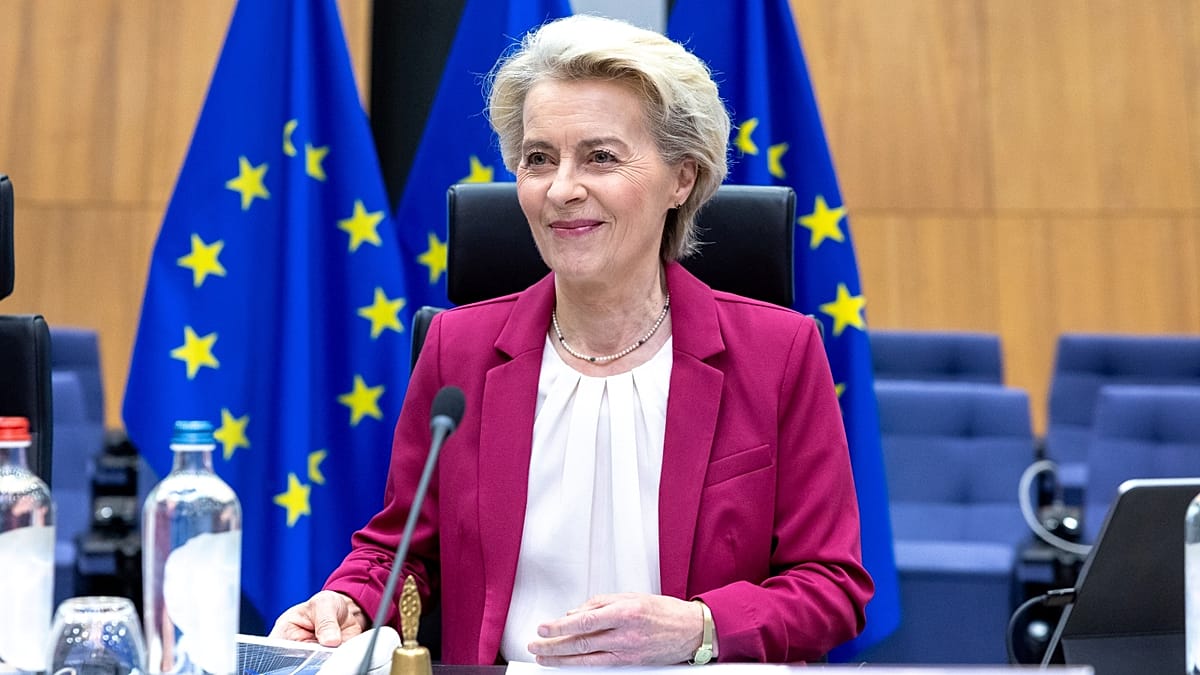
The European Commission has put forward a proposal for an additional €45 billion loan to Ukraine, to be raised through joint EU borrowing, as Kyiv struggles to keep its economy functioning under relentless Russian attacks. The plan, announced on Wednesday by Commission President Ursula von der Leyen, would channel €20 billion into financial assistance and €25 billion into military procurement, including drones, missiles, and air defence interceptors.
The new money is intended to be disbursed gradually through 2027, supplementing the existing €90 billion loan agreed by EU leaders in December. Von der Leyen framed the move as a signal of resolve: "We are sending a clear message to Russia: We want peace. Five years since the start of this war of aggression, Europe stands united. We are as committed as ever to support Ukraine, in war and in peace."
Despite her confidence that all 27 member states will eventually back the proposal, four countries—Slovakia, the Czech Republic, Hungary, and Bulgaria—have already indicated they will not take part. Last year's negotiations resulted in opt-outs for Bratislava, Prague, and Budapest, and they now seek to extend those exemptions. German Chancellor Friedrich Merz has responded sharply, threatening to veto the next EU budget, including cohesion funds, unless fresh aid is agreed by all member states. Slovak Prime Minister Robert Fico called this "blackmail."
Von der Leyen sided with Merz and stressed that the loan is split into civilian and military pillars to address the concerns of those who oppose weapon deliveries. Leaders will have their first debate on the proposal next week in Brussels, where the budget will also be on the table—a politically explosive combination.
Borrowing costs and repayment
A central issue is the cost of borrowing. Although the Commission retains a triple-A credit rating, raising €45 billion on the markets will not be cheap. Interest rates have climbed this year amid high energy prices, geopolitical volatility, investor nervousness, and the costly race in artificial intelligence. The bloc will have to pay billions in annual interest to sustain the support. Still, the prevailing view is that the cost of a failed Ukrainian state would far exceed any financial undertaking.
As with previous operations, repayment of the principal will be contingent on Kyiv receiving war reparations from Russia. If Moscow, as expected, refuses to compensate, Brussels reserves the right to use Russia's immobilised assets, worth €210 billion. Kyiv is not expected to repay out of pocket in any case. Von der Leyen noted that the proposal explicitly envisions "the option to use immobilised Russian cash balances to repay the support loan." She added, "This is an additional point, I think, that shows that we cover the needs."
Economy Commissioner Valdis Dombrovskis, standing alongside her, said the draft EU budget, still under negotiation, will need to be re-examined to determine whether annual interest will be paid as part of or separately from future aid for Ukraine.
The €45 billion comes on top of the €90 billion loan, which was designed under the assumption that the war might end by 2026. Instead, Moscow has escalated its attacks to make Ukraine's winter unbearable and to destroy the levers of the local economy. The relentless bombardment has disrupted business activity, hampered trade, and triggered widespread blackouts, all of which diminish Kyiv's ability to collect revenue and maintain public services. This has made the country even more dependent on foreign aid.
The devastation has left a €70 billion shortfall in Ukraine's 2027 budget. The new EU loan is meant to cover two-thirds of that gap, with the remaining third expected to come from other allies such as the UK, Norway, Canada, and Japan.
The proposal comes as the EU prepares its 22nd sanctions package against Russia, targeting its winter campaign. Meanwhile, Ukraine's AI chief notes that the war is driving rapid digital innovation, and France has confirmed a small military team in Ukraine despite Russian warnings. The debate over the loan will also intersect with Washington's questions about Ukraine's long-range strikes, as European allies push back.