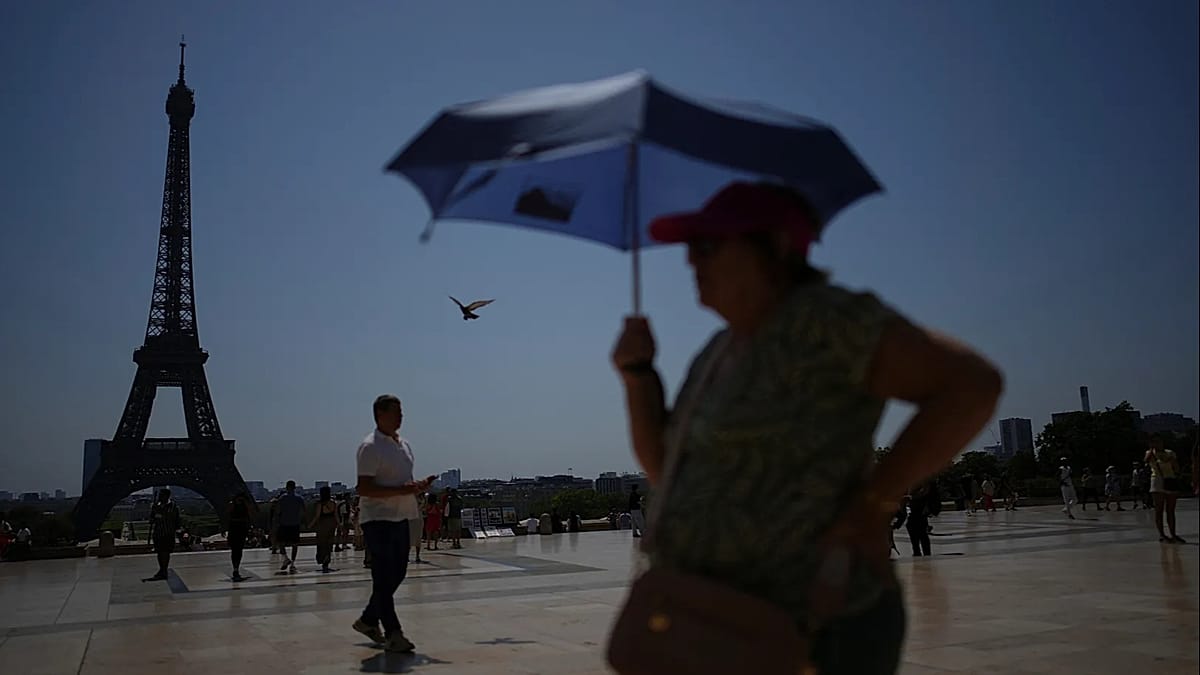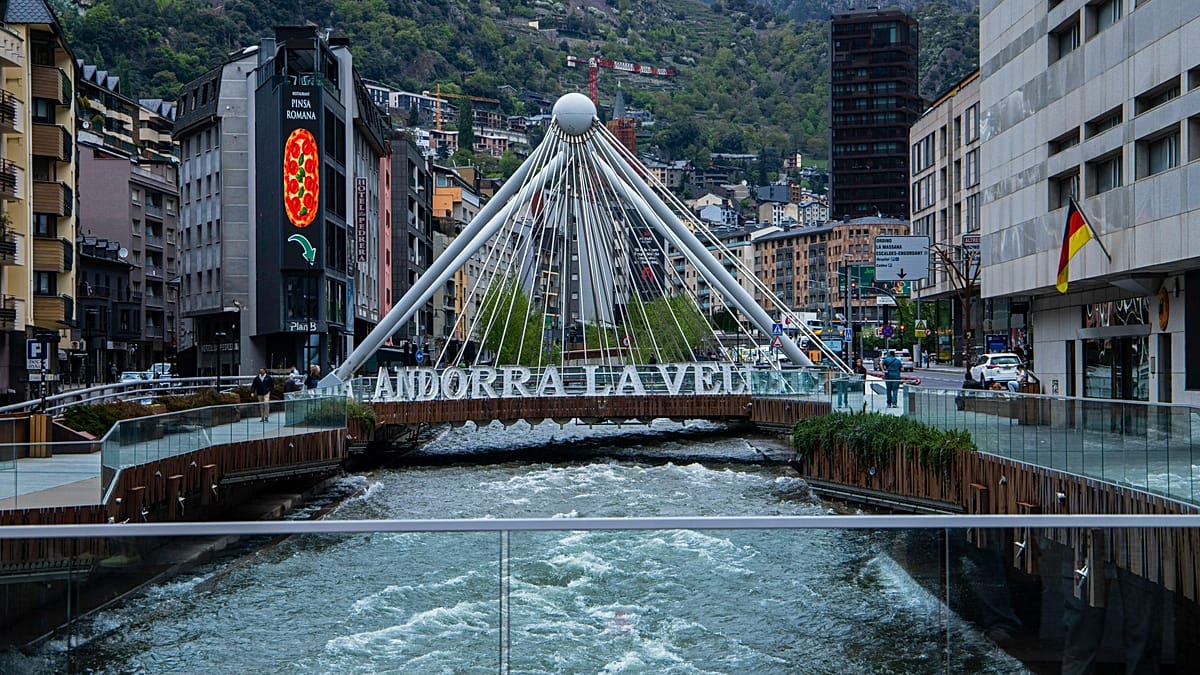
New data from the OECD, visualised by Visual Capitalist, reveals how international tourist arrivals have shifted between 2019 and 2025. While the biggest gains were in Saudi Arabia (+67%), Morocco (+53%), and Egypt (+47%), several European countries also posted strong recoveries, though with more modest percentages.
Europe’s Tourism Winners
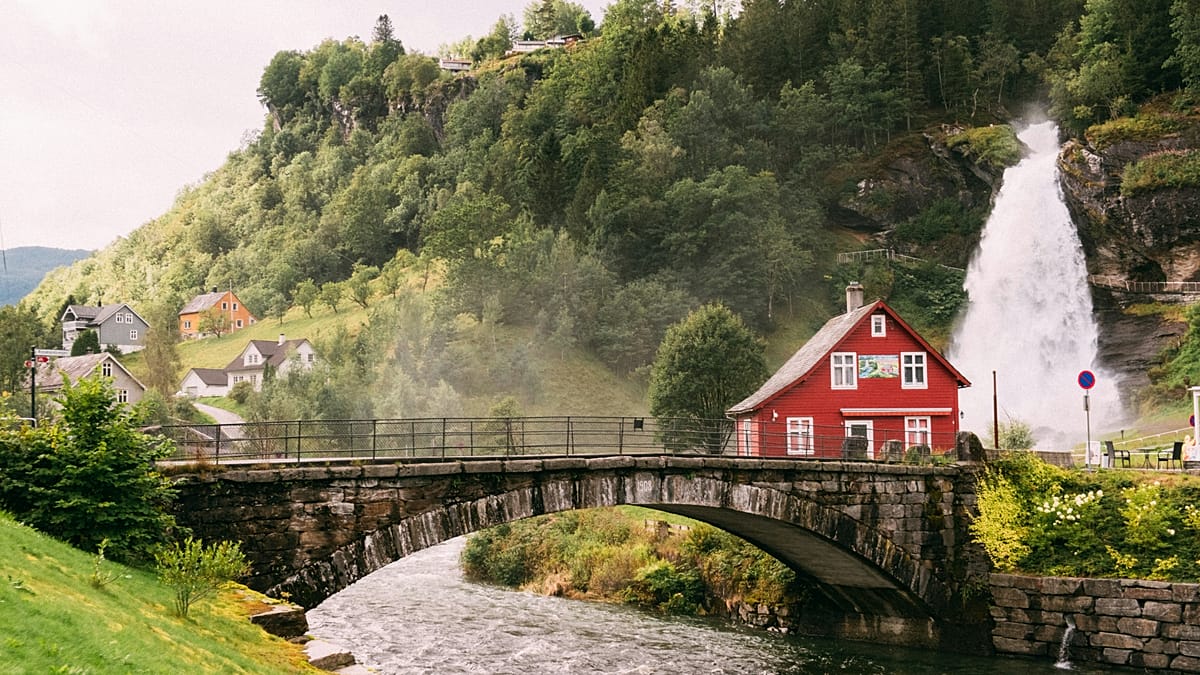
Norway leads the European pack with a 28% increase in international arrivals, followed by Serbia at 27% and Denmark at 22%. These three nations made the global top ten, alongside Portugal, Spain, and France, which all recorded notable upticks. The data underscores a broader trend: traditional European holiday destinations have largely bounced back to pre-pandemic levels, but the pace of growth is slower than in the Middle East and North Africa.
For travellers looking to explore Europe by rail, Eurail and Interrail passes offer a flexible way to connect across 33 countries, including many of these recovering destinations.
Struggling Destinations
Not all European countries have recovered. Germany saw a 6% drop in arrivals, Italy 5% fewer, and Ireland a dramatic 32% decline—the second-worst globally after Israel, which suffered a 71% plunge due to the Gaza conflict. The United States also recorded a 14% fall, while Canada was down 11%.
In the Asia-Pacific region, extended border closures slowed recovery: Thailand (-17%), New Zealand (-9%), Australia (-6%), and Indonesia (-4%) all remain below 2019 levels.
Broader Implications
The shifting tourism map reflects geopolitical and economic factors. Saudi Arabia’s massive investment in tourism infrastructure has paid off, while conflict and policy decisions have hindered others. For Europe, the challenge is to sustain growth without exacerbating overtourism—a concern highlighted by recent studies on cruise ships enjoying tax breaks despite pollution and overtourism.
As the continent navigates these dynamics, the data offers a clear snapshot of which nations are winning the post-pandemic tourism race—and which still have ground to make up.