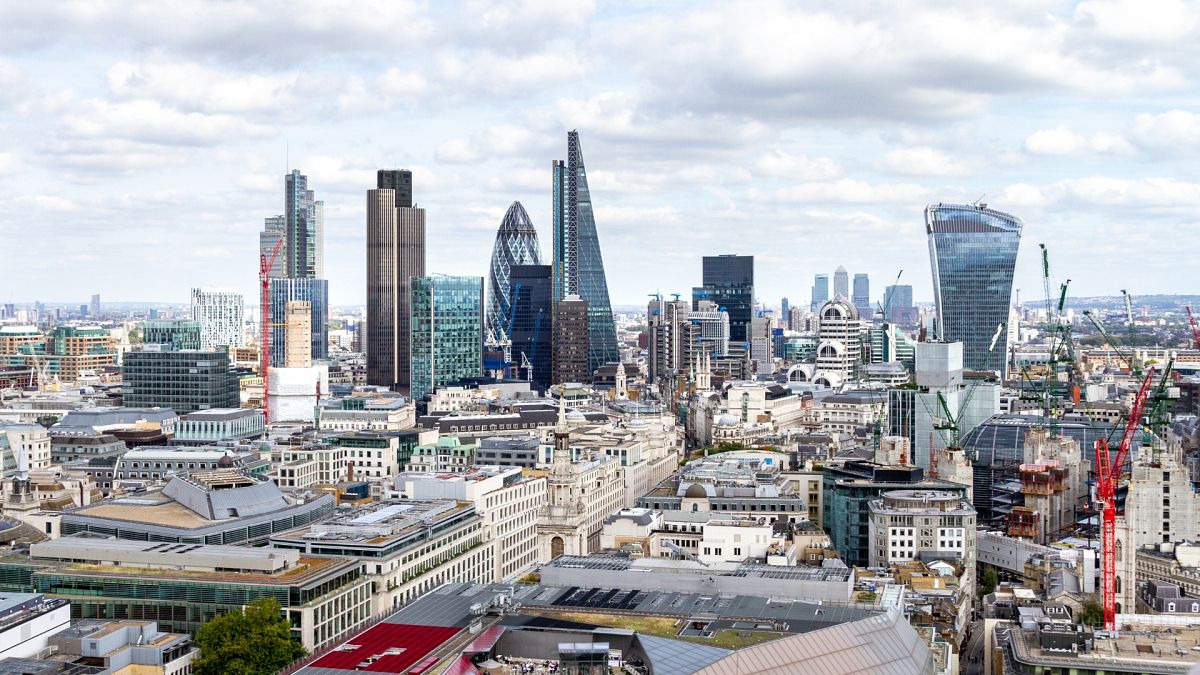
As climate change intensifies heatwaves across Europe, a new study from University College London (UCL) and the University of Exeter suggests a surprisingly simple intervention: painting roofs white. The research, focused on London during the record-breaking summer of 2018, found that widespread adoption of light-coloured roofs could have reduced the city's temperature by around 0.8°C and prevented 249 heat-related deaths—32 percent of the 786 fatalities recorded that June, July, and August.
The average temperature in London from June through August 2018 was 19.2°C, about 1.6°C above the seasonal norm. While such summers were rare a decade ago, they are becoming more frequent due to global warming. The UK, where an estimated 83 percent of the population lives in urban areas, is particularly vulnerable to the urban heat island effect—a phenomenon where buildings, roads, and infrastructure absorb and re-emit solar radiation more intensely than natural landscapes, making cities several degrees warmer than surrounding regions.
How Cool Roofs Work
White or light-coloured roofs reflect more sunlight than traditional dark surfaces, reducing the amount of heat absorbed by buildings and the surrounding air. This technique is already common in hotter climates, such as southern Europe and North Africa. “If widely adopted, cool roofs can significantly reduce the ground-level air temperature of a city,” said lead author Dr. Charles Simpson from UCL’s Bartlett School of Environment, Energy & Resources. “The resulting cooling effect across the city would save lives and improve the quality of life for residents throughout the urban area.”
The study also examined the potential of solar panels. Covering all of London’s roofs with photovoltaic panels could have cooled the city by 0.3°C, preventing 96 deaths—12 percent of the heat-related fatalities. In addition, these panels would have generated 20 terawatt-hours (TWh) of electricity during the three-month period, more than half of London’s total energy consumption for the entire year of 2018. “Solar panels have great benefits as a source of renewable power, so it’s good to see they won’t make the city hotter,” Dr. Simpson added.
Co-author Professor Tim Taylor from the University of Exeter emphasised the urgency of adaptation: “The need for our cities to adapt to climate change is clear. Changing our roof spaces offers one potential solution. We need to encourage action like this, to reduce the burden of excess heat on people living in urban areas and capture potential co-benefits, including energy generation.”
The findings come as European cities grapple with rising temperatures and more frequent heatwaves. Similar initiatives are already underway in places like Barcelona, where white roofs are being promoted as part of urban cooling strategies. The study adds to a growing body of evidence that simple, low-tech solutions can complement broader climate mitigation efforts. For instance, the recent WUF13 in Baku concluded with an urgent call for global urban action, highlighting the need for cities to adapt rapidly.
While the research focused on London, the principles apply across Europe. As urban populations grow and heatwaves become more severe, policymakers in cities from Paris to Warsaw may look to cool roofs as a cost-effective measure. The study underscores that adaptation does not always require high-tech solutions—sometimes, a coat of white paint can make a life-saving difference.