The World Health Organization has sought to calm fears of a plague outbreak after a laboratory worker died in Siberia, with hundreds of people placed under medical observation. In a statement, the WHO said the risk of a wider epidemic remains low, a view echoed by several European epidemiologists who note that person-to-person transmission of pneumonic plague is limited and can be contained with prompt antibiotic treatment.
Belgian virologist Marc Van Ranst, speaking from KU Leuven, told Europe Today that while the case warrants vigilance, the likelihood of it spreading beyond the immediate region is minimal. "Plague is a serious disease, but we have effective tools against it," he said. "The key is rapid identification and isolation, which appears to be happening." Russian authorities have quarantined hundreds of people who came into contact with the deceased, though they deny any link to plague. The WHO and EU health officials are monitoring the situation, with EU health officials set to review the case in the coming days.
Black Sea shipping under attack
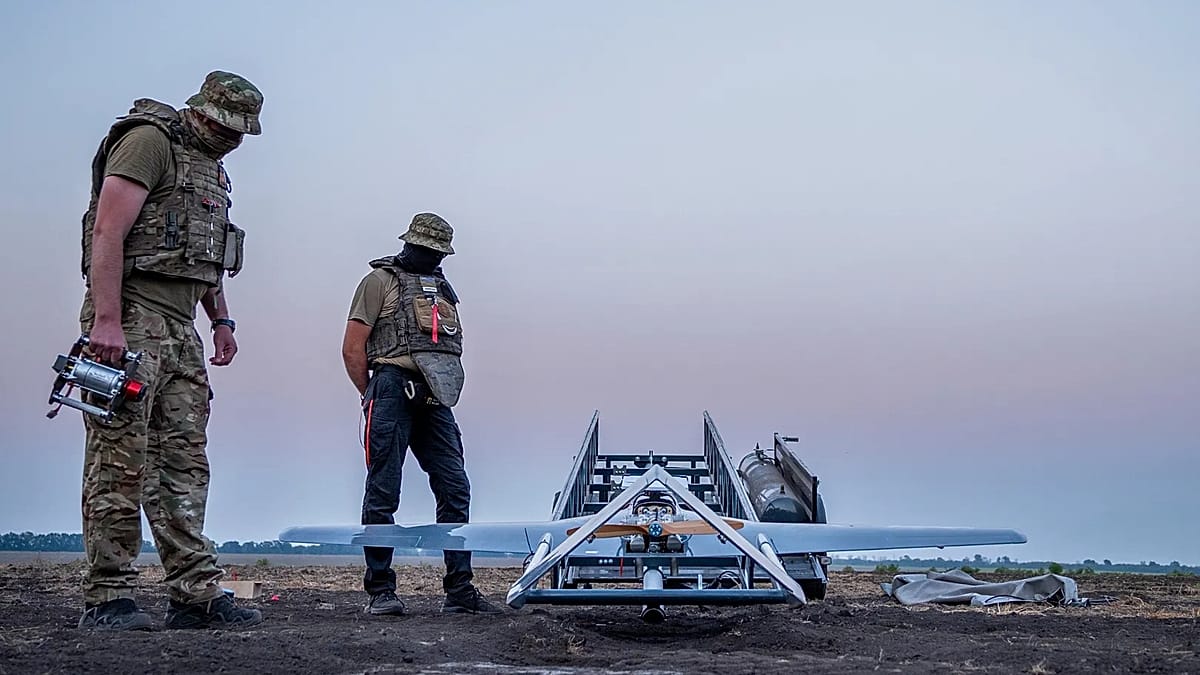
In a separate development, drone attacks have sunk several ships off the coasts of Romania and Bulgaria over the past week, raising alarms about the safety of commercial shipping in the Black Sea. The attacks, which appear to be part of a broader campaign targeting grain exports, have prompted the Bulgarian Prime Minister to condemn the strikes as "absolutely unacceptable." Eighteen sailors were rescued from a cargo ship that went down after being hit, according to maritime officials.
The incidents have disrupted shipping lanes that are vital for Ukrainian grain exports, a key source of revenue for the country. Romania, which shares a border with Ukraine and has been a transit hub for grain, has called for increased naval patrols in the region. The European Union has also expressed concern, with the European Commission urging all parties to respect international maritime law.
These attacks come as the EU prepares to approve its largest sanctions package against Russia since 2022. EU envoys are expected to sign off on around 1,650 new listings, targeting individuals and entities linked to the Kremlin's war effort. The package is seen as a test of the bloc's resolve, as some member states have pushed for exemptions to protect their own economic interests.
Human rights activist Bill Browder, speaking from Strasbourg, warned that backroom deals could undermine the effectiveness of the sanctions regime. "The EU has been strong on rhetoric, but the implementation has been patchy," he said. "If countries are allowed to carve out exceptions, the sanctions will lose their bite."
The sanctions package is expected to be formally adopted later this week, and it will likely include measures targeting Russia's energy sector, as well as new restrictions on technology exports. The EU has also been working to close loopholes that have allowed Russia to circumvent existing sanctions through third countries.
Meanwhile, the situation in the Black Sea remains tense. The drone attacks have raised fears of a wider conflict, with NATO allies increasing their presence in the region. Romania and Bulgaria, both NATO members, have called for a coordinated response to protect shipping lanes and ensure the free flow of goods.
For the EU, the twin challenges of managing the health scare in Siberia and the security threats in the Black Sea underscore the fragility of the current geopolitical landscape. As the bloc navigates these crises, its ability to act decisively will be closely watched by both allies and adversaries.