European health authorities are preparing to examine a suspected outbreak of pneumonic plague in Siberia, following the death of a laboratory worker under unclear circumstances. The European Commission and member states will address the issue during a scheduled meeting of the Health Security Committee in Brussels on Wednesday morning.
The case centres on a female researcher at the Irkutsk Research Anti-Plague Institute in south-eastern Siberia, who died on 2 October. Local medical officials attributed her death to a “pneumonia of unknown aetiology,” and Russian authorities have stated that tests have not linked her illness to any of the pathogens she handled. They insist the situation is under control.
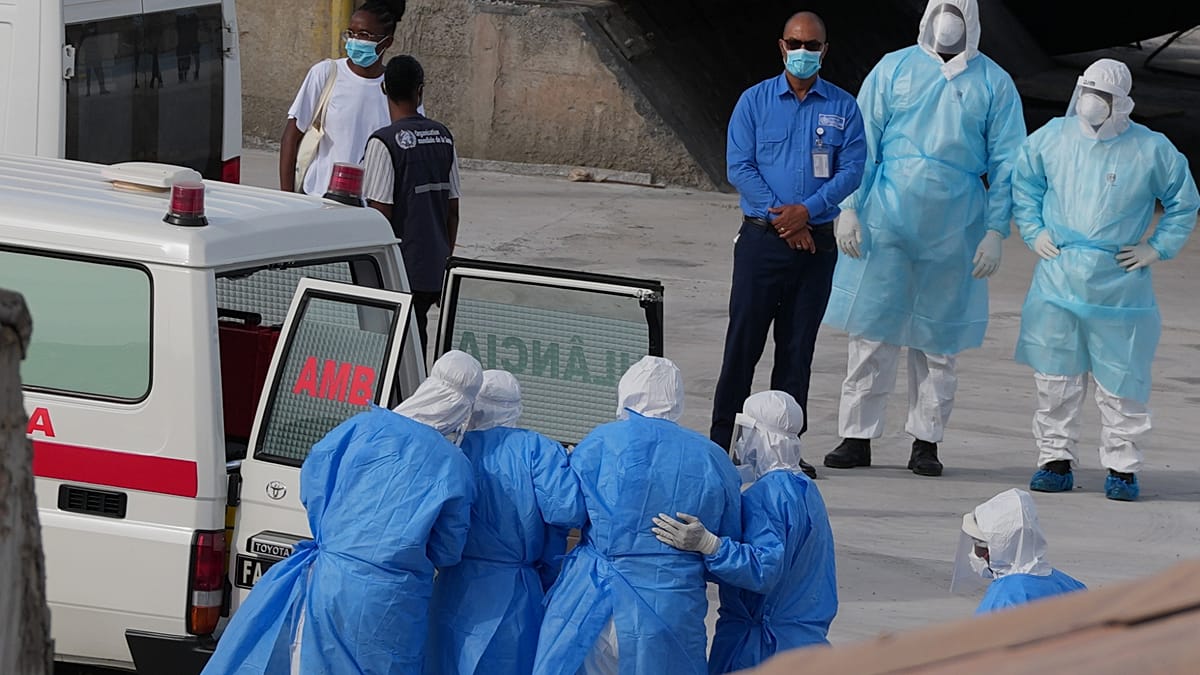
Despite those assurances, the hospital where the worker was treated has been placed under quarantine, and roughly 200 people who had contact with her are under strict medical observation. In neighbouring Kazakhstan, Kyrgyzstan and Uzbekistan, precautionary border measures have been introduced to guard against possible spread.
The World Health Organization (WHO) reported on Tuesday that none of the contacts have shown symptoms so far, and early testing has come back negative. However, the agency noted that it remains “unclear” which pathogens were tested. The WHO assessed the risk to the European region as “very low.”
The European Centre for Disease Prevention and Control (ECDC) echoed that assessment, stating that the suspicion of a plague outbreak is “not yet confirmed.” The agency pointed to limited travel between Irkutsk and the EU, particularly given the ongoing war in Ukraine, and said there are no reports of secondary cases or sustained human-to-human transmission.
Brussels and Washington urge transparency
Both Brussels and Washington are closely monitoring the situation and have called on Moscow to provide accurate and transparent information. The European Commission spokesperson confirmed that the incident would be on the agenda of the Health Security Committee, which evaluates serious cross-border health threats.
The meeting was already planned, but the item was added to the running order, reflecting the concern among EU member states about potential health risks emanating from Russia. The discussion comes amid broader tensions between the EU and Russia, including tighter curbs on Russian diplomats and concerns over hybrid attacks.
Experts note that pneumonic plague, if confirmed, would be a serious development, but the lack of secondary cases and the low travel volumes reduce the immediate threat to Europe. The ECDC has advised that the risk of importation to the EU is minimal, but it continues to monitor the situation.
The incident has also drawn attention to the broader context of Russian health infrastructure and its communication practices. Earlier reports highlighted the uncertainty surrounding the case, and experts have been assessing the risks since the death was made public.
For now, the WHO and ECDC agree that the likelihood of a wider outbreak is low, but they stress the importance of continued vigilance and full disclosure from Russian authorities. The Health Security Committee's discussion on Wednesday will aim to coordinate a unified European response, should the situation evolve.