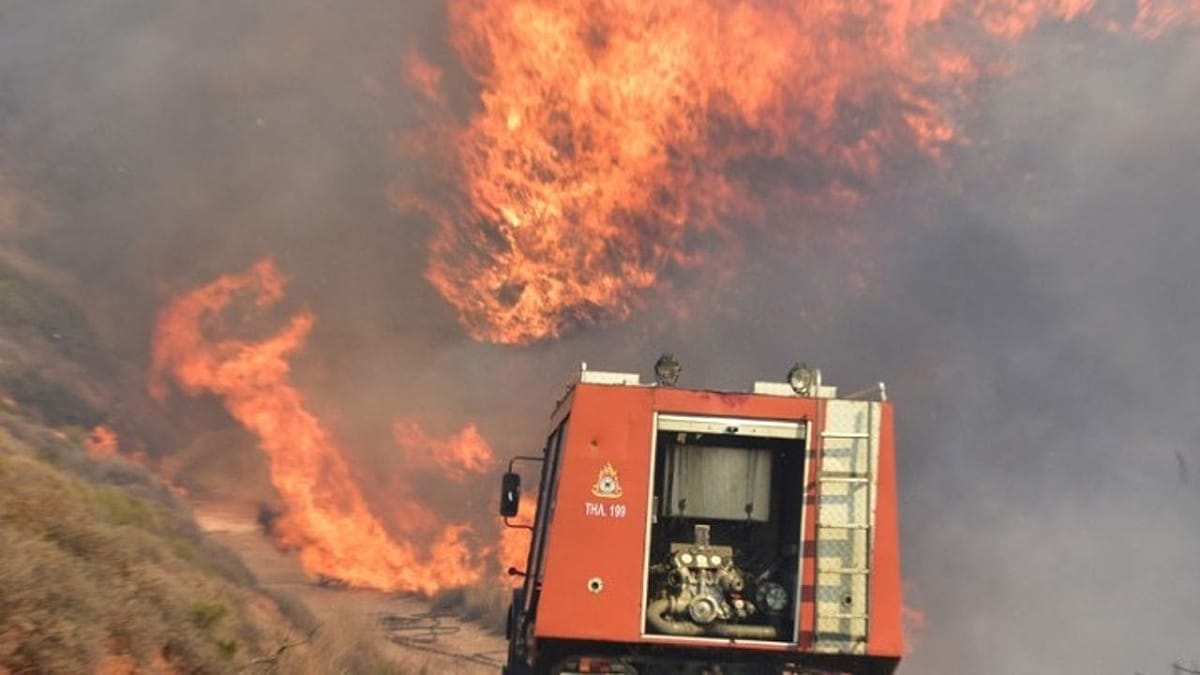
A wildfire that ignited on Friday afternoon in the parish of Herbón, within the municipality of Padrón in A Coruña, remains active and has already consumed approximately 330 hectares of land. The blaze, which began at 16:01 local time, has prompted authorities to declare a level-2 alert and evacuate around ten homes in the settlement of Cruxeiras de Abaixo. As of Saturday evening, residents had not been permitted to return.
The fire has crossed municipal boundaries, entering the neighboring municipality of Teo and advancing toward the locality of Vilar do Bispo. Mayor of Padrón, Anxo Rei Arca, confirmed this spread, noting that it is complicating coordination between emergency services and widening the area at risk for local populations.
Weather Conditions Worsen Firefighting Efforts
Although the fire appeared to be stabilizing on Saturday morning, a combination of high temperatures—exceeding 30°C—and gusty winds reignited one of the fire fronts. “There is quite a lot of wind, which we didn’t have in winter,” Mayor Rei Arca remarked, explaining the fire’s erratic behavior. This deterioration forced the reinforcement of firefighting resources.
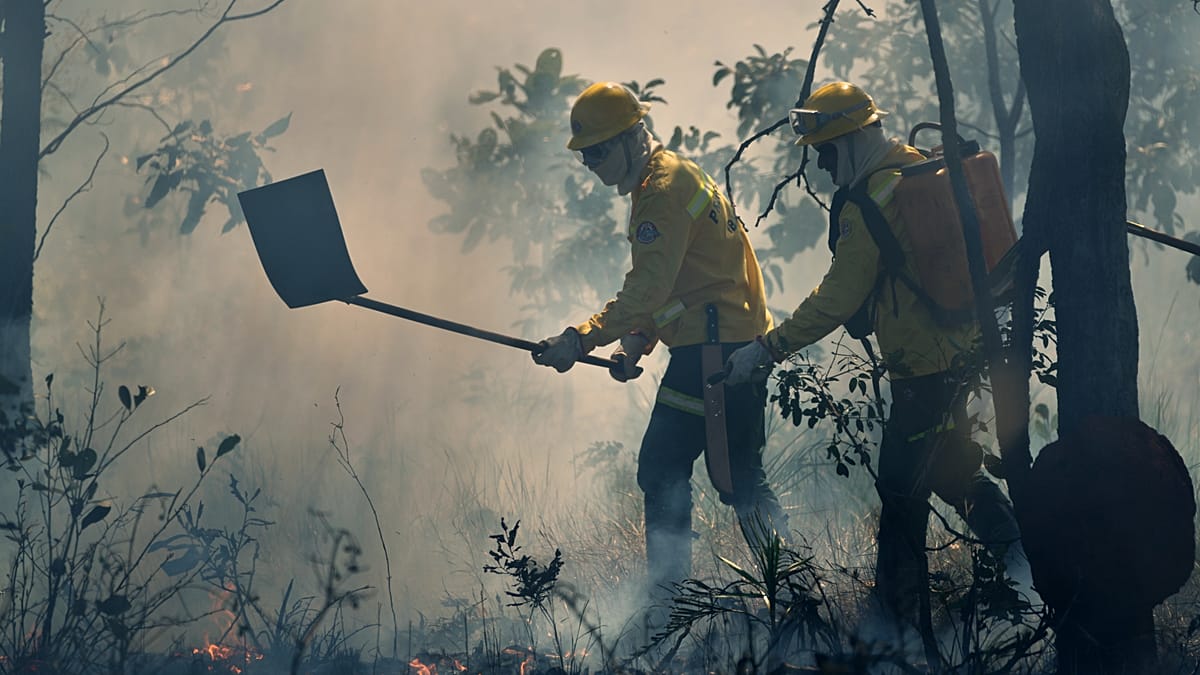
The deployment now includes technicians, forestry officers, ground crews, fire engines with water pumps, and heavy machinery. Aerial support, coordinated between the regional government (Xunta de Galicia) and Spain’s Ministry for Ecological Transition, includes amphibious aircraft and a helicopter. As a precaution, the Civil Guard has cut traffic on two roads: from the parish of Carcacía to Padrón, and from Vilar do Bispo to Lampai in Teo.
No injuries or structural damage have been reported, but the proximity of the flames to several population centers keeps the alert level high. The regional Ministry of Rural Affairs has activated preventive emergency situation 2 to protect residents.
This incident comes amid growing concern over forest fires in Galicia, a region particularly vulnerable to such events due to its climate and terrain. The regional government has set the high-risk fire period for 2026 between 1 July and 30 September, with the possibility of extending it into October. Galicia’s wildfire plan, known as Pladiga, aims to limit the total area burned this season to no more than 29,207 hectares—a target that the Padrón fire alone is already beginning to erode significantly.
Wildfires in southern Europe are increasingly linked to broader climate trends, with hotter and drier conditions extending fire seasons. This event underscores the challenges faced by European regions in managing such risks, as seen in other parts of the continent. For context, recent industrial action across the EU, including in Spain, has highlighted broader societal pressures, though this fire is a distinct environmental crisis.
The situation remains fluid, with firefighting teams working to contain the blaze before further spread. Authorities urge residents in affected areas to remain vigilant and follow evacuation orders.