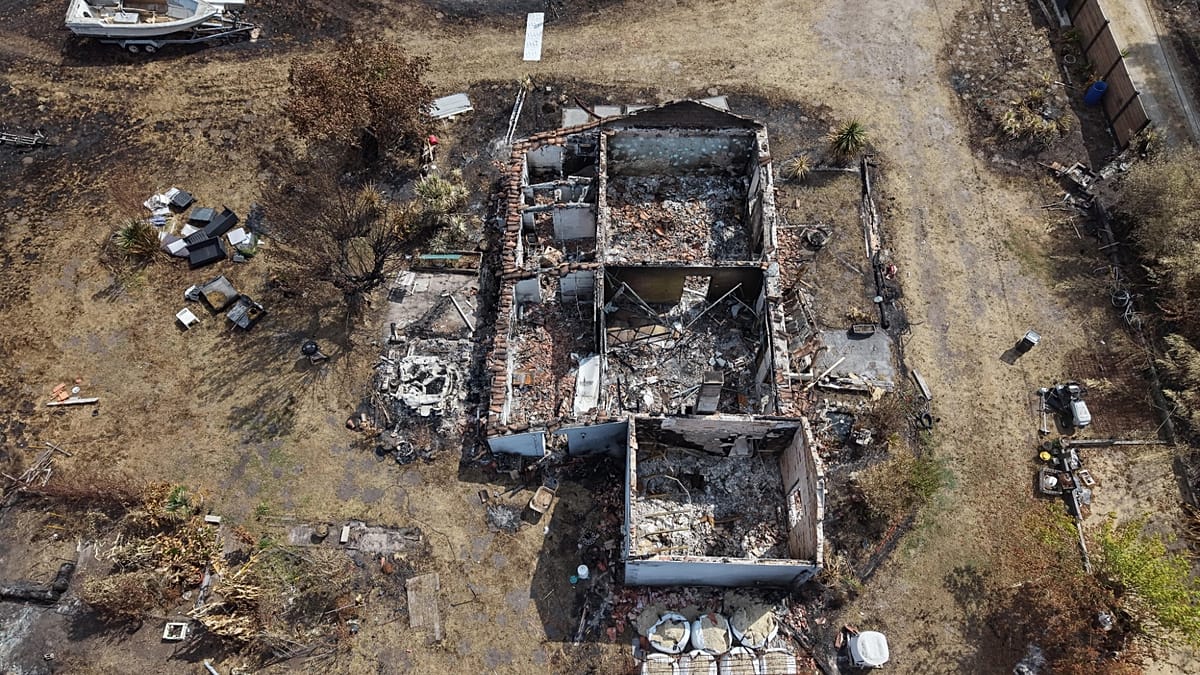
A wildfire that swept through a forested area in southwest France has revealed a hidden legacy of the Second World War: unexploded shells. The blaze, which scorched hundreds of hectares near the town of Hostens in the Gironde department, forced the evacuation of local residents. Now, before they can return, bomb disposal experts must clear the ground of ordnance that has lain buried for more than eight decades.
Unexploded ordnance: a lingering threat
The shells were discovered as firefighters worked to contain the flames and assess the damage. According to local authorities, the fire exposed a cache of munitions, likely dating from the German occupation of France during World War II. The area around Hostens, part of the Landes forest, was used for military exercises by the Wehrmacht, and unexploded ordnance has been found there before.
Bomb disposal teams from the French army were called in to inspect the site. They have cordoned off the affected zone and are systematically searching for any remaining shells. The prefecture of Gironde said in a statement that the operation is precautionary but essential: “The safety of residents is our absolute priority. We will not allow anyone to return until the area is declared free of any danger.”
The discovery adds a new layer of complexity to an already challenging fire season in France. The country has seen a series of wildfires this summer, exacerbated by drought and heatwaves. In the south, the Var region has been particularly affected, with flames fanned by the mistral wind. The European Union has also been grappling with a broader wildfire crisis, as blazes have forced evacuations in Greece and Turkey. The EU’s crisis management chief has called the fires a “wake-up call” for climate action.
For the residents of Hostens, the wait is frustrating but understandable. “We know the forest is full of history, but we didn’t expect it to come back like this,” said one evacuee, who asked not to be named. “We just want to go home, but we also want to be safe.”
The incident highlights the enduring impact of war on European landscapes. Across the continent, unexploded bombs and shells are still discovered regularly, from construction sites in Berlin to farmland in Normandy. In France, the “red zone” of the Western Front remains littered with munitions, and the government has long funded clearance programs. But wildfires, which can strip away topsoil and vegetation, are now exposing ordnance in areas that were previously considered safe.
Local officials are coordinating with the army to speed up the clearance. The operation is expected to take several days, depending on the number of shells found. In the meantime, the evacuated residents are being housed in temporary accommodation, and the prefecture has set up a hotline for updates.
This is not the first time a wildfire has uncovered wartime relics in France. In 2022, a blaze in the Landes region revealed a cache of shells, and similar incidents have occurred in other parts of Europe. The phenomenon serves as a grim reminder that the past is never fully buried.
As climate change increases the frequency and intensity of wildfires, such discoveries may become more common. The EU has been debating how to improve wildfire prevention and response, with some arguing for more investment in firefighting aircraft and others calling for better forest management. The situation in Hostens adds a local, human dimension to that debate.
For now, the priority is to make the area safe. The bomb disposal teams are working carefully, and the prefecture has promised to keep the public informed. “We understand the frustration,” said a spokesperson. “But we must be thorough. There is no room for error when it comes to unexploded shells.”
The residents of Hostens are hoping for a swift resolution, but they know that safety comes first. As one local put it, “We’ve waited this long. A few more days won’t hurt.”