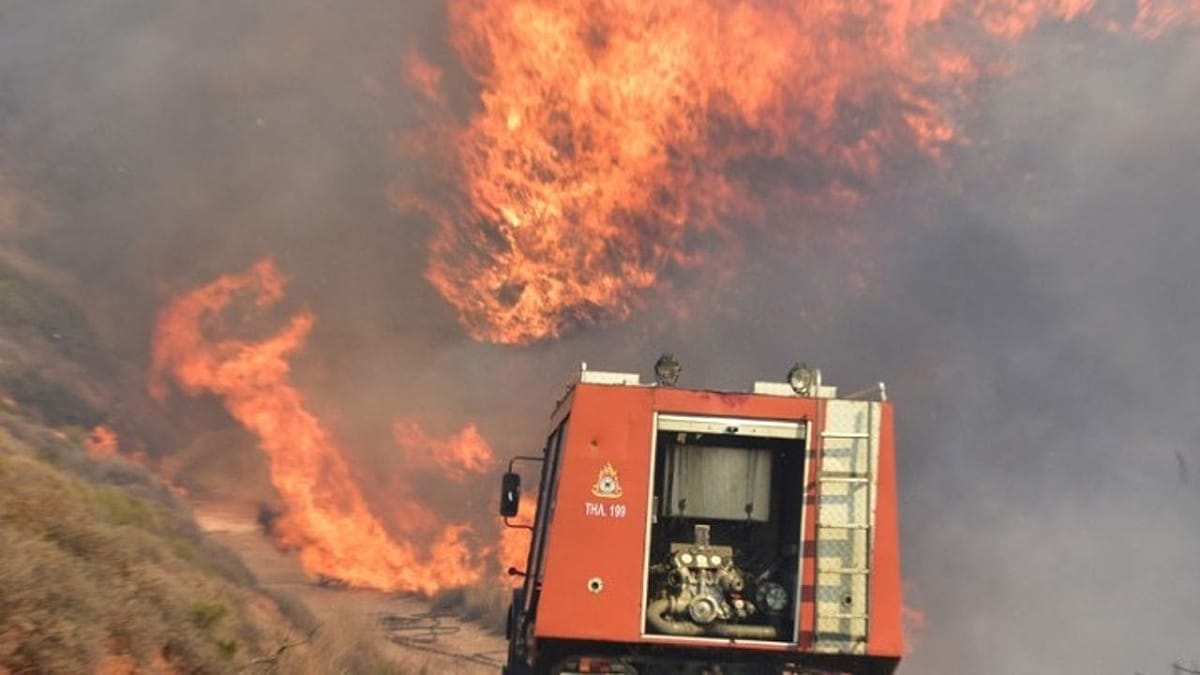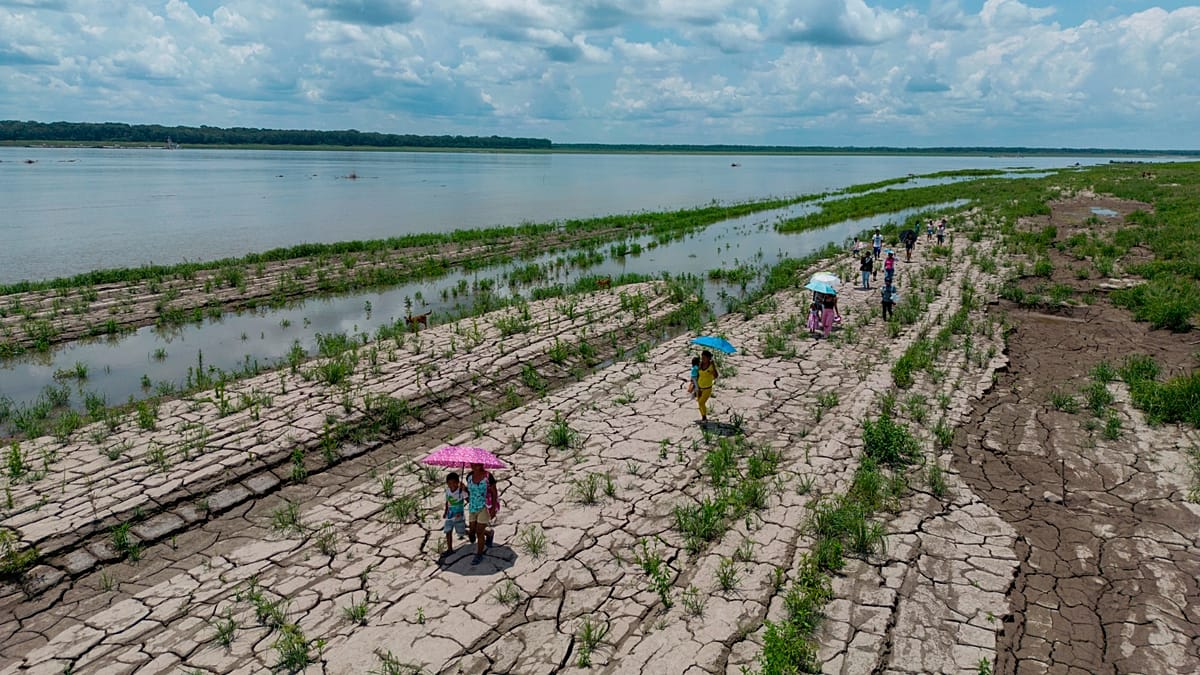
The World Meteorological Organization (WMO) has issued a stark forecast: there is an 80 percent probability that El Niño conditions will develop this summer, bringing above-average temperatures to virtually every corner of the globe. For Europe, this means a heightened risk of extreme heat, drought, and flooding, with some regions already experiencing record-breaking spring temperatures.
Over the past week, a powerful heat dome settled over parts of Western Europe, pushing mercury levels to unprecedented highs for this time of year. In Ireland, temperatures soared above 30°C, while Portugal approached 37°C, as reported in May Heatwave Sends Irish Mercury Above 30°C, Portugal Nears 37°C. Scientists warn that such spells will become more intense, longer, and more frequent as El Niño takes hold.
El Niño's Global Reach and European Impacts
El Niño, a naturally occurring climate pattern driven by unusually warm ocean waters in the tropical Pacific, is expected to affect weather systems worldwide. The WMO projects a 90 percent chance that the event will persist at least until November, with intensity ranging from moderate to strong. UN Secretary-General António Guterres described the situation as an urgent climate warning: “El Niño conditions will pour fuel on the fire of a warming world.”
For Europe, the consequences are twofold. The eastern part of the continent may face dry, scorching heat, while western regions could endure heavy rainfall and flooding. This mirrors the dramatic contrasts seen during the 2023-24 El Niño, which was one of the five strongest on record and contributed to 2024 becoming the hottest year globally. According to the European State of the Climate 2024 report, jointly published by the Copernicus Climate Change Service and the WMO, Europe experienced starkly divergent conditions that year.
WMO Secretary-General Celeste Saulo stressed the need for preparedness: “We need to prepare for a potentially strong El Niño event – which will exacerbate drought and heavy rainfall and increase the risk of heatwaves both on land and in the ocean.” The WMO's seasonal forecasts indicate above-average temperatures across nearly all of Europe for June, July, and August.
Amplified by Climate Change
While climate change does not necessarily increase the frequency or intensity of El Niño itself, it amplifies its effects. A warmer ocean and atmosphere provide more energy and moisture, fueling extreme weather events such as heatwaves and heavy downpours. Guterres warned that impacts “will hit even harder, travel even farther, and cross borders with devastating speed.”
This year's El Niño follows a pattern of accelerating global warming. The UN has previously cautioned that there is an 86 percent chance that coming years will surpass 2024's heat record. Climate scientists are particularly concerned about the collision of a strong El Niño with ongoing climate change, which could unleash a “whole range of extreme weather events.”
Recent research underscores the growing risks. A study highlighted in Climate Change Drives Larger Hailstones Across Europe, Study Warns shows that warming is already altering storm dynamics, leading to larger hailstones across the continent. Such findings reinforce the urgency of the WMO's warnings.
Duration and Regional Forecasts
El Niño typically forms every two to seven years and lasts around nine to 12 months, reaching peak intensity between November and February. Its effects vary depending on intensity, duration, and interaction with other climate variables. This year, sea-surface temperatures began approaching El Niño thresholds in late April to mid-May, with subsurface temperatures in the tropical Pacific running more than 6°C above average.
Beyond Europe, the WMO forecasts below-average rainfall across South Asia, the Greater Horn of Africa, and Central America, where drier and warmer conditions could disrupt critical growing and rainy seasons. The agency emphasizes that advance seasonal forecasts and early warnings are vital to save lives and cushion economic impacts. “The time for informed decision-making, planning and preparedness is now,” Saulo added.
As Europe braces for a potentially prolonged period of extreme weather, the WMO's message is clear: the continent must act swiftly to mitigate the risks posed by El Niño and the broader climate crisis.