An unprecedented May heatwave has swept across Western Europe, with Ireland recording temperatures above 30°C for the first time in the month and Portugal nearing 37°C. The event drew thousands of people outdoors to beaches, parks, and public squares, while also reigniting concerns about the accelerating pace of climate change on the continent.
In Dublin, thermometers hit 30.1°C on Wednesday, breaking the previous May record of 29.5°C set in 2017. The Irish national meteorological service, Met Éireann, confirmed the reading at its Phoenix Park station. Similar highs were recorded in Cork and Galway, where residents and tourists alike flocked to coastal areas to cool off.
Portugal Swelters Under Intense Heat
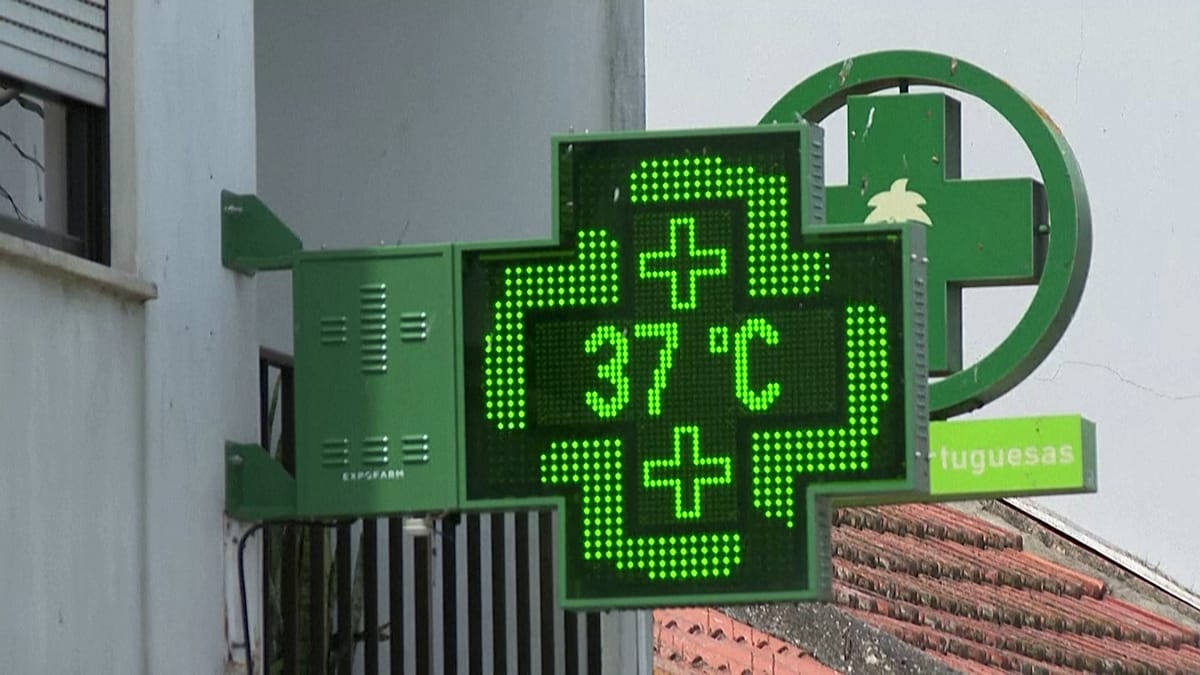
Portugal experienced even more extreme conditions, with the Alentejo region and parts of the Algarve approaching 37°C. The Portuguese Institute of the Sea and the Atmosphere (IPMA) reported that temperatures in Évora reached 36.8°C, while Faro recorded 35.2°C. The heat prompted health warnings, particularly for the elderly and those with respiratory conditions.
In Lisbon, the Tagus riverfront was packed with people seeking shade or a breeze. The city's municipal authorities activated a heatwave contingency plan, opening cooling centers and extending public pool hours. Similar measures were taken in Porto and Coimbra.
The heatwave is part of a broader pattern of early-season extreme weather across Europe. Earlier this month, May heatwave shattered records across Western Europe, with experts warning that such events could become more frequent and intense due to climate change. The Copernicus Climate Change Service, the European Union's earth observation program, noted that the current heatwave is consistent with long-term warming trends driven by greenhouse gas emissions.
In Spain, temperatures exceeded 35°C in Seville and Córdoba, while in France, the southern city of Toulouse recorded 33°C. The United Kingdom also saw unseasonably warm weather, with London reaching 28°C. The heatwave has prompted calls for accelerated action on climate adaptation and mitigation.
The United Nations has urged European governments to accelerate the clean energy transition in response to the growing frequency of heatwaves. In a statement, the UN's climate agency highlighted that May heatwave across Europe prompts UN call to accelerate clean energy transition, emphasizing the need for rapid decarbonization to limit future extremes.
For many Europeans, the heatwave was a welcome respite after a cool and rainy spring. In Ireland, where summer temperatures rarely exceed 25°C, the 30°C mark was a novelty. "It's fantastic to finally have some sun," said Aoife O'Brien, a teacher from Dublin who spent the afternoon at Sandymount Strand. "But you can't help feeling a bit uneasy. This isn't normal for May."
Climate scientists agree. Dr. Elena García, a climatologist at the University of Lisbon, noted that the heatwave is "a clear signal of the changing climate." She added, "We are seeing temperatures that were once typical of July and August arriving in May. This has implications for agriculture, water resources, and public health."
The heatwave also highlighted the uneven impact of extreme heat across Europe. In Portugal, the interior regions are particularly vulnerable, with temperatures often exceeding 40°C in summer. The Alentejo, a key agricultural area, faces increased risk of drought and crop failure. In Ireland, the concern is more about the sudden shift from cool, damp conditions to intense heat, which can stress infrastructure and ecosystems.
As the heatwave subsides, attention is turning to the summer ahead. The Copernicus Climate Change Service has warned that Europe could face its hottest summer on record, following a pattern of increasing extremes. A Copernicus scientist warns Europe faces potentially hottest summer on record, urging governments to prepare for prolonged heatwaves and their cascading effects.
For now, Europeans are making the most of the sun. But the underlying anxiety is palpable. The May heatwave is a reminder that climate change is not a distant threat—it is here, and it is reshaping the continent's seasons.