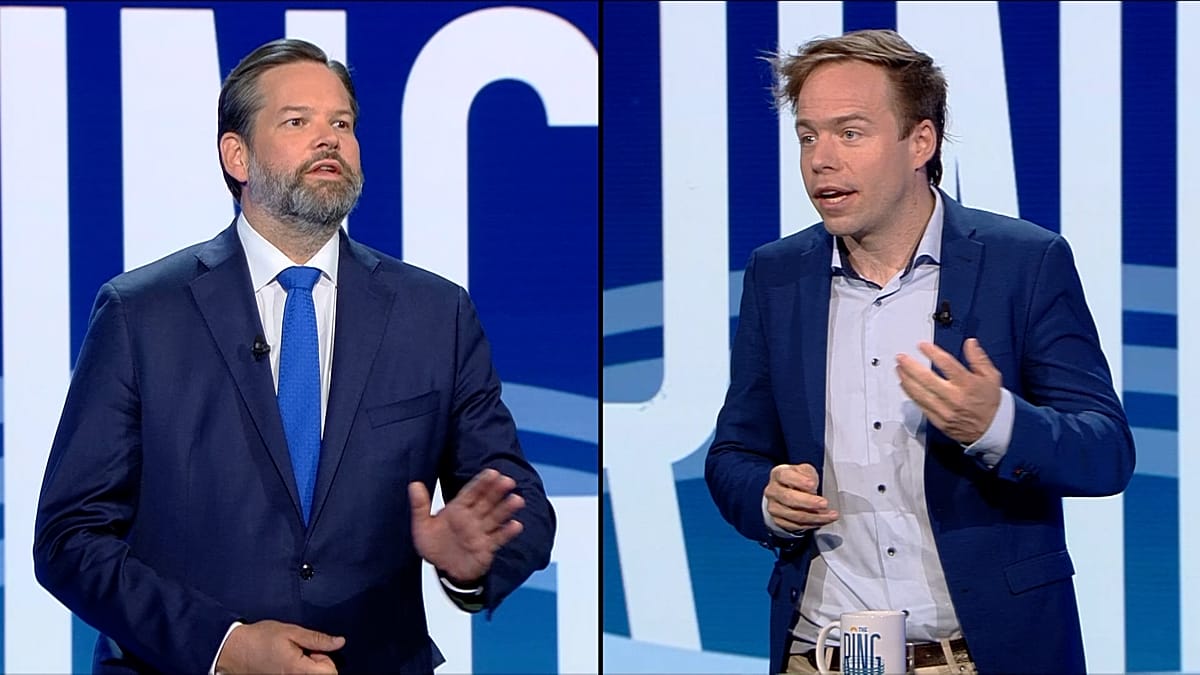
The FIFA World Cup is underway, but the atmosphere feels far from celebratory. Ticket sales and hotel bookings in the three host nations—Canada, Mexico, and the United States—have fallen short of expectations, while immigration disputes and political controversies overshadow the tournament. In the latest episode of The Ring, two Members of the European Parliament—Rasmus Andresen (Greens, Germany) and Lukas Mandl (European People's Party, Austria)—clashed over whether the world's most popular sport can still transcend politics.
A Tournament Marred by Politics
This year's World Cup is unprecedented: for the first time, it spans three countries across half a continent, features 48 teams and over 1,200 players, and has ignited debates on ticket affordability, fan boycotts, security, racism, and even geopolitical tensions involving Iran and Congo. The shadow of former U.S. President Donald Trump looms large, with his administration's immigration policies and threats of escalation—such as Trump Threatens Iran with Escalation as Stalled Talks Trigger New Strikes—adding a layer of uncertainty for international fans.
For Mandl, the World Cup remains a unifying force. "For these few weeks, football makes the world a family. To make it political or posh will not help," he argued, echoing FIFA President Gianni Infantino's call for the tournament to be a "great celebration of togetherness." Infantino told a UEFA congress in Brussels earlier this year that the sport's responsibility is to offer "90 minutes of a match, plus additional time, where they can forget their issues."
But Andresen pushed back, warning that football is being commodified. "Football must not become a playground for investors and pricing algorithms. When supporters are priced out of stadiums and clubs become assets in global ownership networks, we risk losing the very social and community value that makes sport special," he said. He called for robust EU rules on ownership transparency and ticket pricing to protect football as a public good.
European Implications and the Road Ahead
The debate reflects broader European concerns about the sport's direction. With ticket prices soaring, many European fans have opted to stay home, and boycotts have gained traction. The tournament's political entanglements—from Trump's rhetoric to disputes over Iran—raise questions about whether football can remain apolitical. Andresen insisted that "Europe can no longer afford to stand by," urging the European Commission to act. Meanwhile, Mandl maintained that the joy of the game should prevail.
The coming weeks will test whether the World Cup can recapture its former glory or if it has become irreversibly entangled in global power struggles. For European audiences, the outcome matters: the continent's clubs and national teams are deeply embedded in FIFA's ecosystem, and any shift in the tournament's governance could affect everything from player transfers to fan culture. As the matches unfold, the question remains: can football still be just a game?