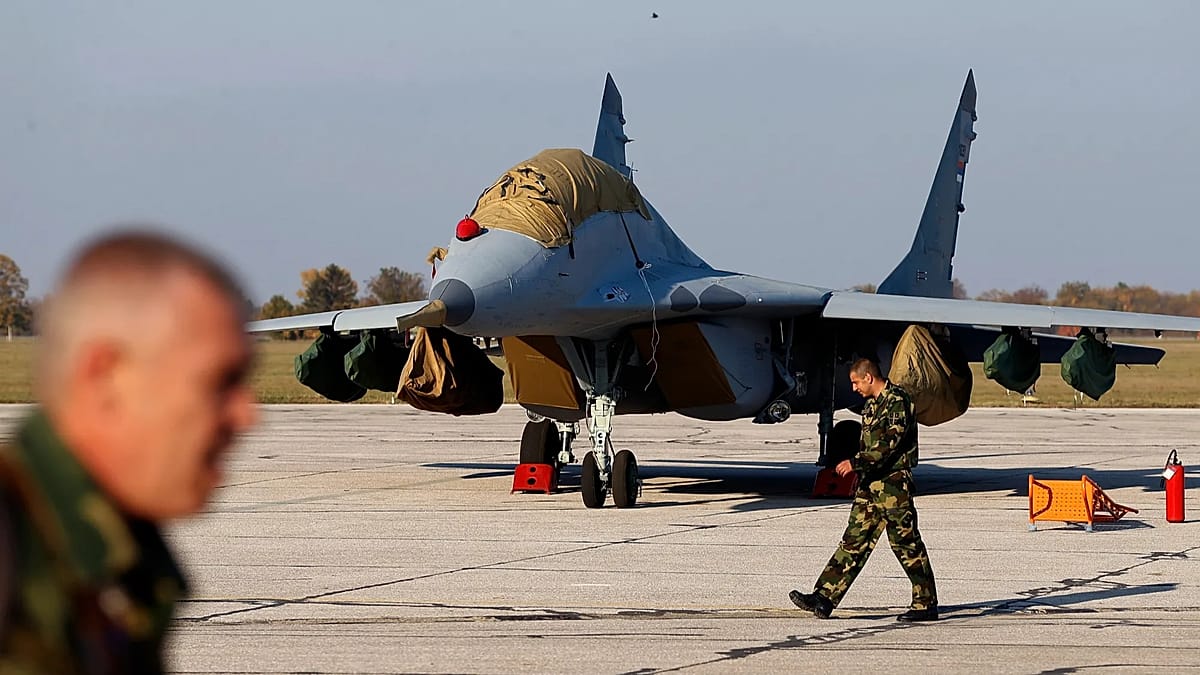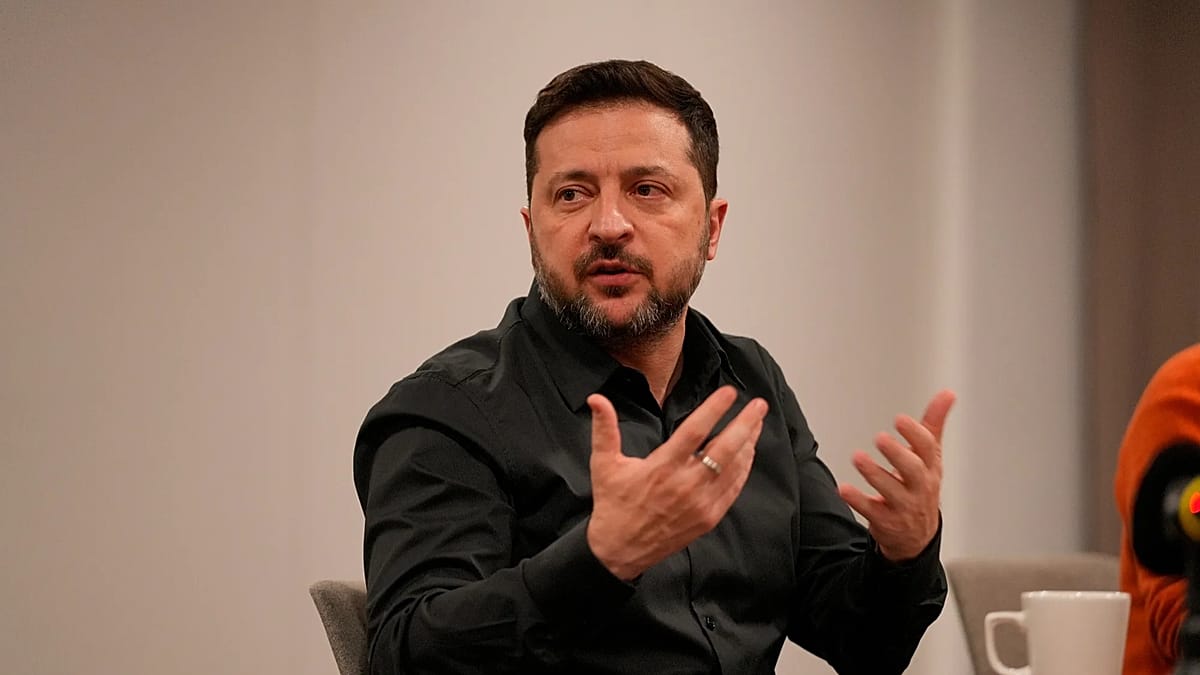
Ukrainian President Volodymyr Zelenskyy has publicly challenged Elon Musk's SpaceX over reported speed restrictions on its Starshield satellite service, saying the curbs are undermining Ukraine's ability to intercept Russian attack drones.
Speaking at the European Political Community summit in Dublin earlier this week, Zelenskyy said Ukrainian terminals had been limited to a maximum speed of 161 kilometres per hour in areas occupied by Russian forces. The restrictions, he said, have been in place for five days and are directly affecting the interception of Russian jet-powered drones.
"They say it is some kind of technical issue. We do not believe that is the case," Zelenskyy said in comments released on Saturday and reported by multiple outlets. He added that Kyiv had received "no clear explanations" for the curbs.
In a social media post on Friday, Zelenskyy said he had instructed Ukraine's Ministry of Foreign Affairs and Minister of Defense to intensify contacts with the U.S. Department of State, the Pentagon, and SpaceX to obtain clarification and resolve the situation.
Starshield, a military-grade variant of SpaceX's Starlink service, has been critical to Ukraine's battlefield communications, providing resilient internet and secure links for command and control. Any degradation of that capability could have serious consequences for Ukrainian operations.
Zelenskyy's remarks come amid broader diplomatic manoeuvring over the future of the conflict. He revealed that Washington had floated the idea of Ukraine ceding territory to Russia in exchange for NATO membership, a proposal that would mark a significant shift in Western policy.
"The Americans raised a question: 'What if Ukraine joins NATO? Would Ukraine withdraw from Donbas?' This was the first time this had been raised," Zelenskyy told reporters on Friday, in comments embargoed until Saturday, according to the AFP news agency.
He added that Ukraine was discussing "specific security guarantees" from NATO and the European Union, and that he would ask Ukrainians to accept the terms if Western nations confirmed them.
European stakes in the Starshield dispute
The Starshield issue resonates well beyond Ukraine's borders. European leaders, who have repeatedly stressed the importance of reliable communications for Ukraine's defence, are watching closely. The European Political Community summit in Dublin provided a platform for Zelenskyy to press his case directly to a wide audience of European heads of state and government.
For the European Union, the episode raises questions about strategic dependence on American-owned infrastructure. Several EU member states, including France and Germany, have advocated for greater European autonomy in space-based communications, but progress has been slow.
Zelenskyy's comments also come as Denmark pledges €643 million in military aid and as he prepares to meet US envoys in Dublin after Russia talks. The timing underscores the delicate balance Ukraine must strike between relying on Western support and pushing back against perceived overreach by private companies.
SpaceX has not publicly responded to Zelenskyy's accusations. The company has previously cited technical issues for service disruptions in Ukraine, but Ukrainian officials have often expressed scepticism about such explanations.
Analysts note that Starshield's speed restrictions could be a technical safeguard or a deliberate policy choice. Either way, the impact on Ukraine's drone interception capabilities is tangible, and Zelenskyy's decision to go public suggests he sees this as a matter of national security, not just a commercial dispute.
As the war grinds on, the reliability of Western military support—both governmental and corporate—remains a central concern for Kyiv. Zelenskyy's pointed questions to SpaceX are a reminder that even the most advanced technology can become a point of friction in a conflict where every advantage matters.