Ukrainian President Volodymyr Zelenskyy said on Friday that US President Donald Trump had told him he would grant Ukraine a license to manufacture Patriot interceptor missiles domestically. The announcement, made in a voice note to reporters, marks a potential turning point in Kyiv's efforts to secure its own production of one of the world's most advanced air-defence systems.
"At our last meeting, President Trump emphasised to me that yes, I have made a final decision. Ukraine will receive licences for the production of Patriot missiles," Zelenskyy said. The two leaders met on the sidelines of the United Nations General Assembly in New York earlier this week, where they discussed possible "de-escalatory steps that can open up the way to diplomacy," according to the Ukrainian president.
In a social media post on Tuesday, Zelenskyy expressed gratitude that "our teams keep working on launching Patriot interceptor production in Ukraine." The move comes after months of Ukrainian appeals for more interceptors and for the right to build them locally, arguing that this is essential to counter Russian ballistic missile strikes on cities and infrastructure.
A promise that wavered
The idea of transferring Patriot production technology to Ukraine was first floated publicly at the 2026 NATO summit in Ankara, where Trump told Zelenskyy: "We'll show them how to do it. This way you can't complain that we're not giving them enough." However, in late July, Trump appeared to backtrack, telling a cabinet meeting that "we have not agreed to that." He cited concerns about sharing sensitive technology, saying: "People that you give that technology, they can some day turn on you. You know that is possible."
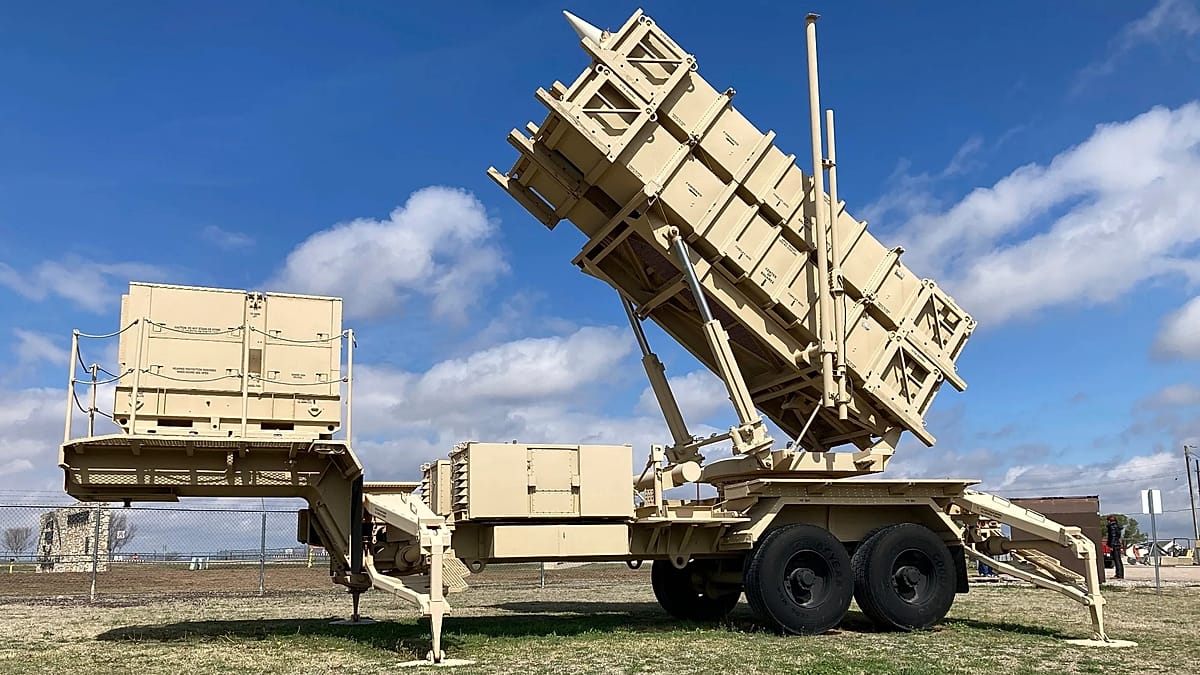
The Patriot system, developed by Raytheon, is capable of intercepting ballistic missiles within a range of roughly 15 to 20 kilometres, providing area defence for key assets and population centres. For Ukraine, which has faced relentless Russian missile barrages, the ability to produce these interceptors domestically would reduce dependence on foreign supplies and shorten delivery times.
The decision has significant implications for European security. Several EU member states, including Poland and Romania, host Patriot batteries as part of NATO's integrated air-defence network. A Ukrainian production line could also serve as a strategic asset for the continent, potentially easing pressure on allied stockpiles and reinforcing deterrence along NATO's eastern flank.
European leaders have watched the US-Ukraine relationship closely, especially as Washington's commitment to Kyiv has fluctuated. The diplomatic dynamics between the US and other global powers, including China, have also drawn attention, but this particular decision is seen as a direct test of American support for Ukraine's defence.
Zelenskyy's announcement comes amid intensified Russian strikes that have killed civilians and damaged energy infrastructure. The Ukrainian president has repeatedly stressed that air defence is a matter of survival, not just for his country but for European stability.
While the license would allow Ukrainian industry to produce the missiles, experts note that setting up manufacturing will take time and require substantial investment. The exact terms of the agreement, including technology transfer safeguards, have not been disclosed. Washington has historically been cautious about sharing Patriot technology, even with close allies.
For now, Kyiv is treating the announcement as a diplomatic victory. "This is a decision that strengthens our ability to protect our people," Zelenskyy said. Whether the promise will be fulfilled remains to be seen, but the signal is clear: Ukraine's path to self-sufficiency in air defence is being taken seriously by the White House.