At the Africa Food Systems Forum, the conversation has moved from lofty pledges to a more pragmatic question: how to get capital flowing to the small and medium-sized agricultural enterprises that form the backbone of the continent's food systems. While billions of dollars are committed to agricultural development, a persistent disconnect remains between international finance and the local businesses that need it most.
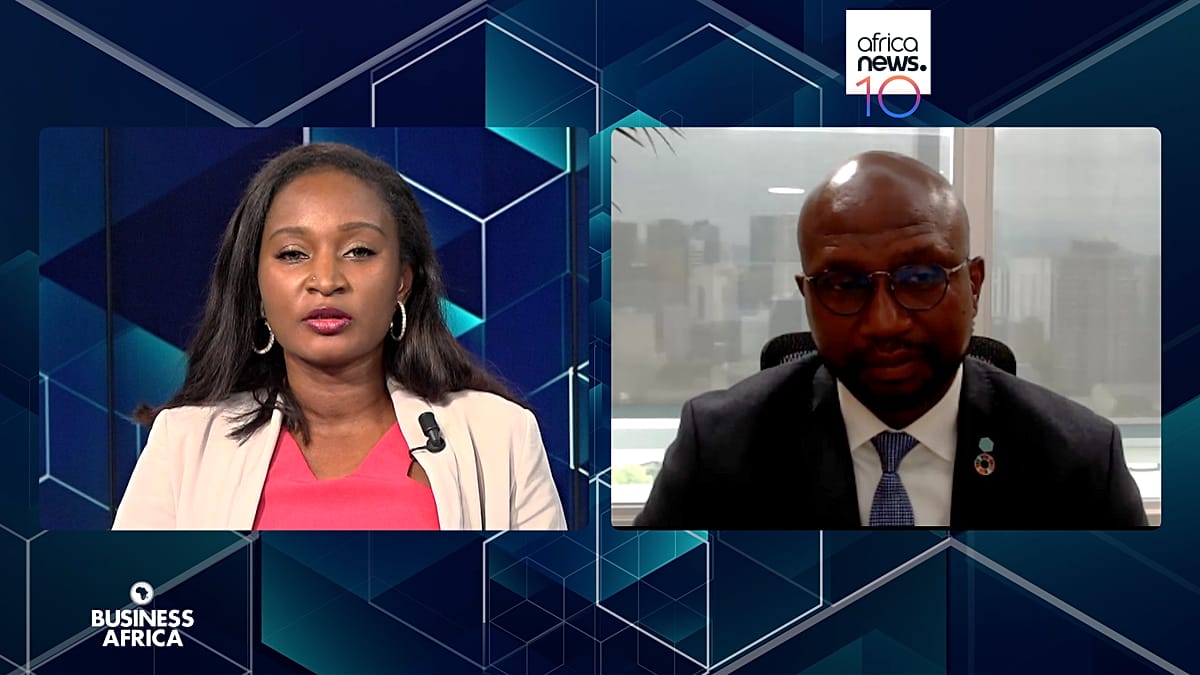
Dr. Mallé Fofana, Deputy Executive Director and Head of the Directorate for Green Growth Implementation at the Global Green Growth Institute, pointed to the structural barriers that keep commercial lenders wary of agri-SMEs. "The challenge is not just raising finance," he said, "but building a pipeline of investable projects that can absorb capital effectively."
One of the key solutions, Fofana argued, is to make early-stage agri-SMEs more bankable. This means strengthening business models, improving financial management, and helping enterprises present themselves as credible borrowers. Without such preparation, even well-intentioned funding schemes often stall before they reach the ground.
Blended finance—combining public or development funds with private capital—could be a game-changer. By de-risking investments, these models encourage commercial banks to lend to agriculture, a sector that remains vital to Africa's food security and economic growth. As European investors and development banks look for impactful opportunities, supporting such mechanisms could unlock transformative potential across the continent.
Kinshasa's commuter train returns
In the Democratic Republic of Congo, a different kind of transformation is unfolding on the tracks. After roughly 15 years out of service, Kinshasa's commuter train is running again, offering a lifeline to millions of residents who have long endured some of Africa's most notorious traffic congestion.
The return of the rail service is more than a logistical convenience; it is a statement about the city's future. For workers who spend hours in gridlocked traffic, the train provides a reliable and predictable alternative. It also eases pressure on the roads, potentially reducing congestion and improving air quality in a rapidly growing metropolis.
This development serves as a reminder that progress in the DRC extends beyond the crises that often dominate international headlines. Restoring public infrastructure like commuter rail can have a direct impact on economic activity, productivity, and quality of life—a lesson that resonates in many fast-growing African cities.
Kenya accelerates its electric mobility shift
Kenya is also witnessing a major shift in how people move. Rising fuel prices are pushing motorcycle riders and drivers to consider electric vehicles as a more affordable alternative to petrol-powered transport. The country's electric-mobility sector is gaining momentum, supported by local manufacturers who are working to bring down costs and make EVs accessible to a broader market.
Kenya's relatively strong supply of renewable electricity gives it a unique advantage. As the grid becomes greener, electric vehicles can be powered by increasingly clean energy, reducing both transport costs and emissions. For motorcycle taxi operators and commercial drivers, who depend heavily on their vehicles for their livelihoods, lower running and maintenance costs make the switch particularly attractive.
These developments across Africa—from agricultural finance to urban transport and clean energy—reflect a broader trend of innovation and resilience. For European readers, they also highlight opportunities for collaboration, investment, and shared learning. As the continent navigates its own green transition, the experiences of African nations offer valuable insights into how to balance economic growth with sustainability.
For more on how African nations are building independent capabilities, see this look at space programmes. And for a European perspective on funding green initiatives, check the EU's nature restoration deadline.