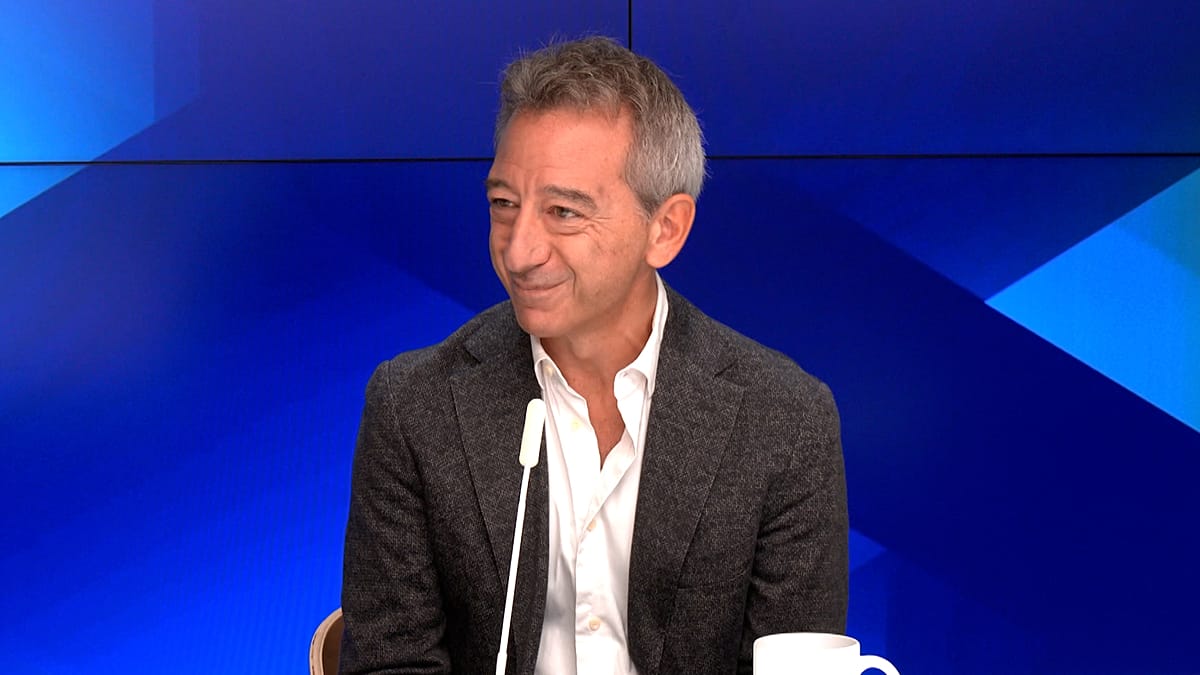
As debates over artificial intelligence intensify, one of Europe's leading policy researchers argues that the technology itself is not the problem—it is our lack of insight into how it is being built. Andrea Renda, Director of Research at the Centre for European Policy Studies (CEPS) in Brussels, warns that the primary risk stems from the secrecy surrounding major AI developers such as OpenAI and Anthropic.
“We don't know enough about what is actually happening inside these companies,” Renda said in a recent interview. His comments come after a former Anthropic researcher publicly estimated a more than 10% chance that advanced AI could “kill all humans” within the next decade—a stark warning that has reignited calls for stricter oversight.
Renda, however, cautions against panic. He points out that humanity has faced existential threats from its own inventions before, and that the current situation is “not the first time” we have built something that could, in theory, destroy us. “There are many ways we can all be killed by stupid technology,” he adds, suggesting that the danger lies less in malevolent machines and more in careless design and inadequate safeguards.
Transparency as the key safeguard
The CEPS scholar insists that the solution is not to halt AI development but to make it far more transparent. He calls for “opening up and auditing much more” of what goes on inside AI companies, allowing independent researchers and regulators to scrutinise training data, model behaviour, and safety protocols. Without such oversight, he argues, we are flying blind into a future shaped by algorithms we do not fully understand.
Renda also stresses the importance of boosting public research into AI safety. Europe, he believes, has a role to play in funding independent studies that can counterbalance the commercial interests of Silicon Valley giants. This aligns with broader EU efforts to regulate AI through the Artificial Intelligence Act, though Renda suggests that legislation alone is insufficient without robust enforcement and technical expertise.
His remarks echo concerns raised in other European contexts, such as the Germany's hybrid threat response, where the focus is on defending against subtle, below-the-threshold challenges. Similarly, AI risks often emerge not from overt attacks but from gradual erosion of safety standards.
Renda is particularly critical of the tendency to build AI systems with ever-greater autonomy. “It is a very stupid way of programming AI to give it powers we cannot control,” he says. He advocates for designing AI with built-in constraints and human oversight, rather than pursuing raw capability at the expense of safety.
The debate over AI control is not confined to Europe. In the United States, political leaders have floated unconventional ideas, such as the $5,000 dividend proposal, which some see as a distraction from more pressing technological governance issues. Meanwhile, European nations are grappling with their own security challenges, including Finland's border fence and Baltic airspace incidents, which highlight the need for vigilance in all domains.
Renda's message is ultimately one of cautious optimism. He believes that if AI is kept under control—through openness, public investment, and sensible design—it can be a force for good. The alternative, he warns, is a future where we are at the mercy of technologies we neither understand nor govern.
For European policymakers, the takeaway is clear: the time to act is now, before the window of opportunity closes. By championing transparency and public oversight, Europe can lead the way in ensuring that AI serves humanity, not the other way around.